

Compare models

iPhone 12 mini Vs iPhone 13

  • 1-year minimum warranty
  • Free delivery on all orders
  • Free 30-day returns
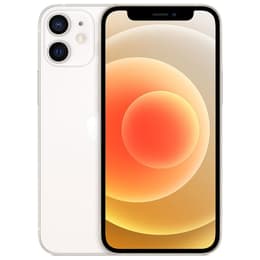
iPhone 12 mini
iPhone 12 mini
Starting at

Refurbished price:161.00

Versus €689.00 new

See options
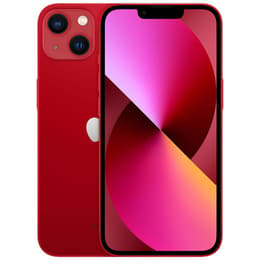
iPhone 13
iPhone 13
Starting at

Refurbished price:243.00

Versus €769.00 new

See options

Differences at a glance

The iPhone 12 Mini, released in late 2020, and the iPhone 13, launched in late 2021, represent two consecutive generations of Apple's smartphone lineup. While both devices offer a premium iOS experience, they cater to slightly different user preferences, primarily concerning size and incremental performance and camera enhancements. The iPhone 12 Mini stands out for its compact form factor, while the iPhone 13 offers a larger display and notable improvements in battery life and camera capabilities.

Available Models

Colour

Storage (GB)

Scores

Durability

When considering the longevity of these devices, several factors come into play, including their release timelines, software support, and physical resilience.

  • Release Timeline: The iPhone 12 Mini was released in November 2020, making it approximately one year older than the iPhone 13, which launched in September 2021. This age difference directly impacts the expected duration of software support.
  • OS Support: Both devices run on Apple's iOS, known for its extended software support. The iPhone 13, being newer, is expected to receive major iOS updates for a longer period than the iPhone 12 Mini, potentially extending its usable life by an additional year.
  • Durability Features: Both models feature Apple's Ceramic Shield front cover, which enhances drop performance. They also share an IP68 rating for water and dust resistance, meaning they can withstand submersion in water for a certain period. Drop tests suggest that the durability of the iPhone 13 models is comparable to that of the iPhone 12 models.

Year of Release

2020

2021

Compatible with latest Update

Yes

Yes

OS

iOS

iOS

Foldable

No

No

Performance

The performance of a smartphone is crucial for daily tasks, from app usage to multitasking and gaming. Both the iPhone 12 Mini and iPhone 13 deliver capable performance, though with some distinctions.

  • Processor Capabilities: The iPhone 12 Mini is powered by a capable processor that handles everyday applications and multitasking smoothly. The iPhone 13 features a newer generation processor, which provides a noticeable boost in speed and efficiency, particularly for demanding applications and graphics-intensive tasks. This translates to faster app loading and a more responsive overall user experience on the iPhone 13.
  • Storage Options: The iPhone 12 Mini was available with storage options starting from 64GB, 128GB, and 256GB. The iPhone 13 starts with a base storage of 128GB, offering more space for users right out of the box, and extends to 256GB and 512GB.
  • Battery Behavior: The iPhone 12 Mini, due to its smaller size, has a more compact battery, which users often report as requiring more frequent charging, especially with heavy use. The iPhone 13, with its larger physical size, accommodates a significantly larger battery, leading to improved battery life that can more comfortably last a full day for most users.

Screen quality

The display is a primary interface for smartphone interaction, and both models offer high-quality viewing experiences with some key differences.

  • Display Technology and Size: Both the iPhone 12 Mini and iPhone 13 feature Super Retina XDR OLED displays, providing deep blacks and vibrant colors. The iPhone 12 Mini has a compact 5.4-inch display, ideal for one-handed use and fitting into smaller pockets. The iPhone 13 offers a larger 6.1-inch display, providing a more expansive viewing area for media consumption and productivity.
  • Brightness Levels: While both displays offer excellent clarity, the iPhone 13's screen is noticeably brighter, especially in typical use, reaching up to 800 nits compared to the iPhone 12 Mini's 625 nits. This enhanced brightness on the iPhone 13 improves visibility outdoors in bright sunlight.
  • Resolution and Refresh Rate: Both devices feature high-resolution displays with similar pixel densities, ensuring sharp text and images. Both models also maintain a standard 60Hz refresh rate, which provides a smooth experience for general navigation and content viewing.

Resolution

1080 x 2340

1170 x 2532

Screen type

Super Retina XDR OLED

Super Retina XDR OLED

Audiovisual

Both the iPhone 12 Mini and iPhone 13 offer advanced camera systems, capable of capturing high-quality photos and videos, with the newer model introducing several refinements.

  • Camera System Capabilities: Both phones feature a dual 12MP camera system with Wide and Ultra Wide lenses. The iPhone 13 introduces a larger main sensor and sensor-shift optical image stabilization for the Wide camera, which was previously exclusive to the iPhone 12 Pro Max. This enhancement allows the iPhone 13 to capture more light, leading to improved low-light performance and more stable video.
  • Photography and Video Features: The iPhone 13 includes new features like Photographic Styles and Cinematic mode, which allows for recording videos with a shallow depth of field and automatic focus transitions. Both models support 4K video recording at up to 60 frames per second and offer Night mode for improved low-light photography across all cameras.
  • Front Camera: Both devices are equipped with a 12MP TrueDepth front camera, capable of capturing detailed selfies and supporting Face ID. The iPhone 13's front camera benefits from improved image processing, leading to better overall selfie quality, especially in challenging lighting conditions.

Main camera

12 megapixels

12 megapixels

Front camera

12 megapixels

12 megapixels

Miscellaneous

Beyond core performance and display, several practical elements contribute to the overall user experience of these smartphones.

  • Connectivity: Both the iPhone 12 Mini and iPhone 13 support 5G connectivity, Wi-Fi 6, and Bluetooth 5.0, ensuring fast and reliable wireless communication.
  • Physical Design and Handling: The iPhone 12 Mini is notably smaller and lighter, weighing 135g and measuring 131.5 x 64.2 x 7.4 mm, making it exceptionally easy for one-handed use and pocketability. The iPhone 13 is larger and slightly heavier at 174g and 146.7 x 71.5 x 7.65 mm, offering a more substantial feel in hand. Both feature flat edges and a Ceramic Shield front cover for enhanced durability.
  • Ports and Sensors: Both models utilize the Lightning port for charging and data transfer. They both rely on Face ID for secure authentication.

Weight

135 g

173 g

Screen size (in)

5.4

6.1

Network

5G

5G

SIM card

Physical SIM + eSIM

Physical SIM + eSIM

Carrier compatibility

Unlocked

Unlocked

Connector

Lightning

Lightning

What the community thinks

The iPhone 12 Mini and iPhone 13 both offer compelling smartphone experiences within the Apple ecosystem, each with distinct advantages. User feedback for the iPhone 12 Mini often praises its compact size, making it a preferred choice for those who value portability and one-handed usability. However, a frequent criticism of the iPhone 12 Mini is its battery life, which many users find insufficient for a full day of heavy use.

The iPhone 13, on the other hand, is generally lauded for its significantly improved battery life, which addresses a common concern from its predecessor. Users also appreciate the camera enhancements, particularly the improved low-light performance and the introduction of Cinematic mode. Some users note that while the camera improvements are present, they might not be a drastic leap for everyday photography compared to the iPhone 12 Mini.

Users prioritizing a highly compact device that is easy to handle and pocket will find the iPhone 12 Mini well-suited to their needs, especially if their usage patterns are moderate or if they have access to charging throughout the day. Conversely, users who desire a larger display, extended battery life, and more advanced camera features, particularly for video recording and low-light photography, may prefer the iPhone 13. Both devices offer a robust iOS experience, and choosing between them often comes down to the balance between size preference and the incremental improvements in performance and battery longevity. Opting for a quality-assured refurbished option for either model can be an eco-friendly alternative for consumers.