

Compare models
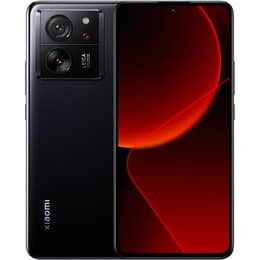
Galaxy S25 Edge Vs Xiaomi 13T
- 1-year minimum warranty
- Free delivery on all orders
- Free 30-day returns
Differences at a glance
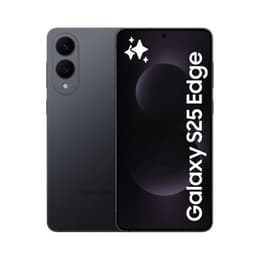
The Samsung Galaxy S25 Edge (2025) and the Xiaomi 13T (2023) are contemporary smartphones designed for users seeking robust daily performance within distinct hardware packages. While both devices run on the Android operating system, they approach form factor, processing architecture, and feature prioritization differently. Choosing between them depends on whether a user values ultra-slim profile design or multimedia-focused display versatility.
Available Models
Colour
Storage (GB)
Scores
Durability
When examining hardware longevity and software support, both smartphones offer distinct timelines based on their respective release years and manufacturer policies.
- Software Support: The Galaxy S25 Edge benefits from an extended software update schedule spanning multiple years of major operating system upgrades, whereas the Xiaomi 13T provides a shorter, standard update window.
- Build Durability: The Galaxy S25 Edge features a titanium frame and specialized glass front protection, while the Xiaomi 13T utilizes traditional aluminum and glass construction with standard dust and water resistance ratings.
- Expected Lifespan: Both devices maintain strong physical durability, but users seeking prolonged software security updates will find the Galaxy S25 Edge better suited for long-term retention.
Year of Release
2025
2023
OS
Android
Android
Foldable
No
No
Performance
System responsiveness and everyday multitasking capabilities vary significantly due to the generation and architecture of the internal processing hardware powering each phone.
- Multitasking and Apps: Both devices handle standard web browsing, social media applications, and demanding mobile games smoothly, though the Galaxy S25 Edge utilizes a newer processor generation for faster app loading and improved thermal efficiency.
- Storage and Memory: The Galaxy S25 Edge offers generous internal storage configurations paired with high-speed memory, matching the 256GB storage and high RAM capacity standard found on baseline versions of the Xiaomi 13T.
- Battery Behavior: The Xiaomi 13T incorporates a larger physical battery capacity paired with rapid wired charging capabilities, whereas the thinner profile of the Galaxy S25 Edge results in a smaller battery capacity requiring more frequent recharging during heavy usage.
Screen quality
Display technology across both models delivers sharp visuals, though they differ in peak brightness levels, refresh rate ceilings, and panel design characteristics.
- Display Technology: The Galaxy S25 Edge features a high-resolution Dynamic AMOLED panel with a variable refresh rate, while the Xiaomi 13T utilizes an AMOLED screen supporting a high fixed-tier refresh rate.
- Outdoor Visibility: Both panels provide high peak brightness levels, ensuring clear legibility and vibrant colors under direct sunlight or bright outdoor conditions.
- Viewing Experience: The Galaxy S25 Edge offers a slightly wider workspace within a remarkably slim profile, whereas the Xiaomi 13T delivers an immersive media consumption window equipped with extensive color profile options.
Resolution
1440x3120
1220 x 2712
Audiovisual
Photography and video recording suites on these devices cater to different imaging preferences through contrasting sensor resolutions and optical arrangements.
- Main Camera Performance: The Galaxy S25 Edge relies on a high-resolution main sensor designed to capture fine detail and crisp low-light imagery, while the Xiaomi 13T features a triple-lens system incorporating a dedicated telephoto option for optical zoom versatility.
- Video Recording: The Galaxy S25 Edge supports high-framerate 4K and 8K recording formats with advanced stabilization, whereas the Xiaomi 13T provides reliable everyday video capture suited for casual social sharing.
- Media Output: Both models include stereo speakers that deliver balanced audio clarity for calls, casual video watching, and hands-free listening.
Miscellaneous
Practical daily utility is shaped by physical dimensions, connectivity standards, and biometric security features built into each chassis.
- Portability and Handling: The Galaxy S25 Edge emphasizes an exceptionally thin and lightweight chassis designed for effortless pocket storage, while the Xiaomi 13T adopts a slightly thicker and heavier build to accommodate its larger internal battery.
- Connectivity: Both phones support modern fifth-generation cellular networks, Bluetooth standards, and fast wireless local area networking protocols for stable data transfers.
- Security and Biometrics: Each device integrates secure under-display optical fingerprint sensors alongside facial recognition options for fast device unlocking.
Weight
163 g
193 g
Screen size (in)
6.7
6.67
Network
5G
5G
SIM card
Dual Physical SIM + eSIM
Dual Physical SIM
Carrier compatibility
Unlocked
Unlocked
Connector
USB-C
USB-C
What the community thinks
User feedback from public forums highlights the Galaxy S25 Edge for its remarkable physical thinness, premium titanium build, and advanced main camera performance, though some users note that its slim battery capacity requires careful power management throughout long days. Conversely, users frequently praise the Xiaomi 13T for its fast charging speeds, reliable battery endurance, and fluid display refresh rate, while noting that its software update window is more limited by comparison. Exploring a quality-assured refurbished option through platforms like Back Market provides an eco-friendly alternative for acquiring either model while reducing electronic waste.
Users prioritizing an exceptionally lightweight profile, extended software longevity, and high-resolution photography will find the Galaxy S25 Edge well-suited to their daily routines. Meanwhile, users who prioritize rapid charging speeds, long battery endurance, and dedicated zoom photography will lean toward the Xiaomi 13T. Evaluating these practical differences ensures an informed choice aligned with individual usage habits.