
Samsung

Compare models
Differences at a glance
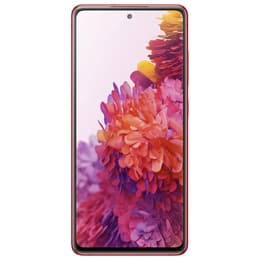
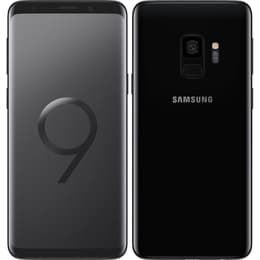
The Samsung Galaxy S20 FE (Fan Edition), released in September 2020, and the Samsung Galaxy S9, launched in March 2018, represent different generations within Samsung's smartphone lineup. While both devices run on the Android operating system, the S20 FE offers a more modern feature set, including an updated display and camera system, compared to the S9's earlier flagship specifications. This comparison will highlight the practical differences to help users determine which device aligns best with their needs.
Colour
Storage
When considering the longevity of these devices, their respective release dates play a significant role in expected software support and overall practical lifespan.
Year of Release
Compatible with latest Update
OS
Foldable
The performance of a smartphone is crucial for daily tasks, from app usage to multitasking and gaming. These two devices offer distinct experiences in this regard.
The display is a primary interface for any smartphone, and both the S20 FE and S9 offer Super AMOLED panels, though with notable differences in their specifications and user experience.
Resolution
Screen type
Camera capabilities are a significant factor for many users, and these two phones offer different approaches to mobile photography.
Main camera
Front camera
Beyond core features, several practical elements contribute to the overall user experience and differentiate these two Samsung smartphones.
Weight
Screen size (in)
Network
SIM card
Carrier compatibility
Connector
The Samsung Galaxy S20 FE and Galaxy S9 cater to different user expectations, largely due to their generational gap. User feedback for the S20 FE often praises its vibrant 120Hz display, versatile camera system, and robust battery life, making it a well-rounded device for everyday use and multimedia consumption. Some users appreciate its more modern design and the inclusion of 5G connectivity. Criticisms sometimes point to its plastic back, which some perceive as less premium than glass, though it can also be more durable.
The Galaxy S9, on the other hand, was lauded for its compact size, high-resolution display, and the inclusion of a headphone jack and iris scanner. Users often highlighted its premium glass build and strong camera performance for its era. However, common concerns for the S9 now revolve around its aging battery capacity and the end of major software updates, which can impact its long-term usability and security.
Users prioritizing a more current smartphone experience with extended software support, a smoother display, and a more flexible camera system will find the Galaxy S20 FE well-suited to their needs. Its larger battery and 5G capabilities also make it a strong choice for those who need reliable performance throughout the day and faster connectivity. Conversely, users who prefer a more compact device, value a traditional headphone jack, and do not require the latest software features or cutting-edge performance might still find the Galaxy S9 appealing, especially as a quality-assured refurbished option. Both devices offer a gateway to the Android ecosystem, with the choice depending on individual priorities regarding features, longevity, and form factor.