

Compare models

Google Pixel 9a Vs iPhone 17

  • 1-year minimum warranty
  • Free delivery on all orders
  • Free 30-day returns
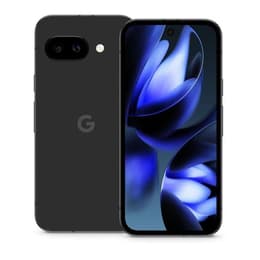
Google Pixel 9a
Starting at

Refurbished price:348.00

Versus €586.09 new

See options
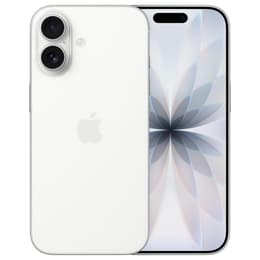
iPhone 17
Starting at

Refurbished price:751.00

Versus €1,129.00 new

See options

Differences at a glance

The Google Pixel 9a (2025) and the iPhone 17 (2025) represent distinct approaches to modern smartphone design, targeting users with different platform preferences and workflow habits. While the Google Pixel 9a runs on Android and emphasizes everyday practicality, the iPhone 17 operates on iOS and focuses on seamless hardware integration. These two devices differ primarily in their operating systems, software ecosystems, and physical form factors, catering to varied daily user requirements.

Available Models

Colour

Storage (GB)

Scores

Durability

Both smartphones are built to remain functional and secure for years, though they utilize different software maintenance schedules and hardware durability standards.

  • Software longevity and updates: The Google Pixel 9a receives extended operating system and security updates for seven years from its release, matching the longevity commitment of the iPhone 17, which benefits from Apple's long-standing software support windows.
  • Repairability and build resilience: Both devices feature robust water resistance ratings and solid structural frames designed to withstand daily wear, while certified repair options are widely available for both ecosystems.
  • Expected practical lifespan: Thanks to capable internal hardware and sustained software maintenance, both models are well-equipped to perform reliably through several years of daily ownership.

Year of Release

2025

2025

Performance

Performance profiles across both devices handle daily workloads efficiently, though they manage multitasking and resource-intensive applications through different hardware architectures.

  • Multitasking and everyday execution: Both devices manage routine applications, web browsing, and switching between multiple programs smoothly without noticeable stutter, supported by generous baseline random access memory.
  • Storage capacity configurations: The Google Pixel 9a offers entry configurations starting at standard storage tiers, whereas the iPhone 17 begins at larger baseline storage capacities, influencing how much media can be stored locally.
  • Battery behavior and energy management: The Google Pixel 9a incorporates a high-capacity power cell designed to easily clear a full day of mixed usage, while the iPhone 17 relies on efficient power management to sustain everyday tasks.

Screen quality

Display characteristics on both handsets deliver crisp visuals, smooth motion handling, and clear legibility across various lighting conditions.

  • Display panel technology: Both models utilize vibrant organic light-emitting diode screens that produce deep contrast levels, rich colors, and wide viewing angles for media consumption.
  • Motion smoothness and refresh rates: Both devices support high refresh rate technology, ensuring that scrolling through web pages and navigating the interface appear fluid and responsive.
  • Outdoor visibility: High peak brightness levels on both screens allow content to remain easily readable when used directly under bright sunlight.

Audiovisual

Imaging capabilities on these smartphones capture sharp details and natural colors, offering versatile tools for everyday photography and video recording.

  • Main camera configurations: Both handsets feature high-resolution primary sensors supported by ultra-wide lenses, delivering clear landscape and portrait shots in diverse lighting scenarios.
  • Video recording performance: Both models support high-definition video capture with advanced stabilization features, ensuring smooth footage whether recording stationary subjects or moving scenes.
  • Media consumption and audio output: Built-in stereo speaker arrays on both devices provide balanced sound output for hands-free calls, video watching, and casual music playback.

Miscellaneous

Practical daily usability elements, including physical dimensions, connectivity standards, and biometric security, shape how each device feels in the hand.

  • Connectivity standards: Both smartphones support modern fifth-generation cellular networks, rapid wireless local area networking standards, and precise satellite positioning systems.
  • Biometric security methods: The Google Pixel 9a utilizes facial recognition alongside an optical fingerprint sensor embedded beneath the screen, while the iPhone 17 relies exclusively on facial authentication technology.
  • Physical dimensions and handling: Both devices offer ergonomic form factors with balanced weight distributions, making them comfortable for single-handed use during extended periods.

Screen size (in)

6.3

6.3

Network

5G

5G

SIM card

Physical SIM + eSIM

eSIM

Carrier compatibility

Unlocked

Unlocked

Connector

USB-C

USB-C

What the community thinks

User discussions across community forums frequently praise the Google Pixel 9a for its reliable all-day battery life, clean software interface, and straightforward user experience. At the same time, community feedback highlights the iPhone 17 for its fluid system navigation, robust ecosystem connectivity, and premium build quality. Common discussions occasionally note that the Google Pixel 9a lacks some advanced hardware features found in higher-end models, while the iPhone 17 operates within a more closed software environment.

Users prioritizing an open file management system, customizable interface options, and straightforward daily utility will find the Google Pixel 9a well-suited to their needs. Conversely, users who prefer deep integration with existing tablet and computer ecosystems, along with long-term platform consistency, often lean toward the iPhone 17. For consumers seeking a sustainable choice, a quality-assured refurbished option provides an eco-friendly alternative that extends device lifecycles without compromising on core functionality.