


Compare models
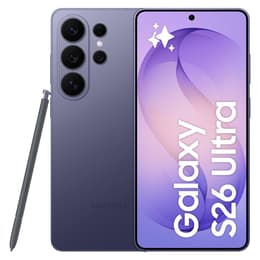
Galaxy S26 Ultra Vs Google Pixel 8
- 1-year minimum warranty
- Free delivery on all orders
- Free 30-day returns
Differences at a glance
The Samsung Galaxy S26 Ultra (2026) and the Google Pixel 8 (2023) represent different tiers and generations of the smartphone market, catering to distinct user preferences in design, capability, and scale. While the Galaxy S26 Ultra functions as a large-screen productivity powerhouse with advanced multi-lens camera systems, the Google Pixel 8 serves as a compact, streamlined device focused on intuitive daily software integration. Both devices operate on Android, though they embody contrasting approaches to hardware scale and feature sets.
Available Models
Colour
Storage (GB)
Scores
Durability
When examining longevity and hardware endurance, both devices offer extensive software lifespans, though they hail from different release years and follow distinct physical construction paths.
- Software longevity: Both smartphones benefit from extended update commitments, ensuring years of security patches and system upgrades from their respective release periods.
- Build endurance: The Galaxy S26 Ultra utilizes high-grade aluminum and reinforced glass for structural rigidity, whereas the Google Pixel 8 relies on durable front and back glass panels secured by a sturdy metal frame.
- Repairability standards: Both manufacturers provide structured repair frameworks, allowing components like screens and batteries to be replaced through authorized channels or via quality-assured refurbished options that extend device life cycles sustainably.
Year of Release
2026
2023
Compatible with latest Update
Yes
Yes
OS
Android
Android
Foldable
No
No
Performance
Daily operation and hardware execution differ noticeably due to generation gaps and internal component choices between the two devices.
- Multitasking and app execution: The Galaxy S26 Ultra handles intensive multi-application workflows and demanding gaming smoothly with its high-capacity RAM configurations, while the Google Pixel 8 manages routine daily tasks, web browsing, and standard applications efficiently.
- Battery behavior: The Galaxy S26 Ultra incorporates a larger battery capacity designed to sustain heavy full-day usage, whereas the Pixel 8's smaller power cell aligns with its compact footprint and moderate daily demands.
- Storage configurations: The Galaxy S26 Ultra starts at higher baseline storage tiers with options extending to massive capacities, while the Pixel 8 provides streamlined internal storage choices suited for average media and application needs.
Screen quality
Visual output and display dimensions vary significantly, offering contrasting experiences for media consumption and daily viewing.
- Display technology: Both models feature vibrant OLED panels that deliver deep blacks, high contrast ratios, and sharp text clarity for everyday reading and streaming.
- Refresh rate and smoothness: Both devices support high refresh rates, ensuring smooth scrolling through web pages, menus, and dynamic content interfaces.
- Size and outdoor visibility: The Galaxy S26 Ultra provides a sprawling, expansive screen surface with high peak brightness levels for comfortable outdoor visibility, whereas the Google Pixel 8 offers a compact, pocket-friendly display footprint that is easy to navigate with one hand.
Resolution
1440 x 3120
1080 x 2400
Audiovisual
Imaging capabilities and multimedia output reflect each manufacturer's distinct philosophy toward photography and audio reproduction.
- Camera versatility: The Galaxy S26 Ultra features a multi-lens array including specialized telephoto options for distant subjects, while the Google Pixel 8 employs a dual-camera system focused on consistent, everyday point-and-shoot clarity.
- Low-light and video performance: Both handsets excel at capturing clear images in dimly lit environments through advanced image processing, and both support high-resolution video recording with steady stabilization.
- Audio output: Stereo speaker configurations on both devices deliver balanced sound quality for hands-free calls, podcasts, and casual media playback.
Front camera
12.0
10.5 megapixels
Miscellaneous
Physical dimensions, connectivity standards, and daily handling characteristics highlight practical differences in day-to-day use.
- Handling and ergonomics: The Galaxy S26 Ultra features a large, substantial chassis suited for users who prefer expansive workspaces, whereas the Google Pixel 8 offers a lighter, narrower build that rests comfortably in smaller pockets.
- Connectivity and ports: Both smartphones support modern 5G cellular networks, Wi-Fi standards, and Bluetooth protocols, utilizing reversible USB-C ports for charging and data transfer.
- Authentication methods: Both devices incorporate secure biometric authentication tools, including facial recognition and integrated fingerprint sensors for quick unlocking.
Weight
214 g
187 g
Screen size (in)
6.9
6.2
Network
5G
5G
SIM card
Physical SIM + eSIM
Physical SIM + eSIM
Carrier compatibility
Unlocked
Unlocked
Connector
USB-C
USB-C
What the community thinks
User feedback from online communities highlights distinct preferences for each device. Owners of the Galaxy S26 Ultra frequently praise its expansive display, versatile camera zoom capabilities, and smooth handling of demanding workloads, though some users note its large physical footprint can feel heavy during extended one-handed use. Conversely, Pixel 8 users often commend the phone's comfortable, compact size, clean software layout, and reliable everyday photo quality, while some point out that battery endurance requires more frequent recharges under heavy usage.
Users prioritizing maximum screen space, advanced camera flexibility, and high-performance multitasking will find the Galaxy S26 Ultra well-suited to their routines, while users who value a pocket-friendly form factor, streamlined software, and comfortable daily handling may prefer the Google Pixel 8. For those seeking an eco-friendly alternative, choosing a quality-assured refurbished option provides a sustainable way to access either device while reducing electronic waste.