

Compare models
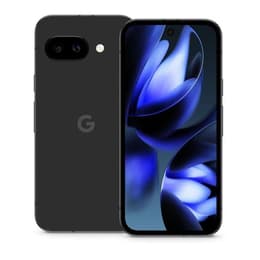
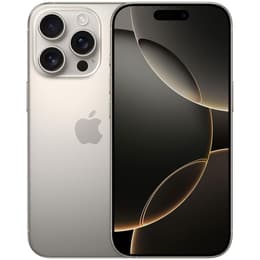
Google Pixel 9a Vs iPhone 16 Pro
- 1-year minimum warranty
- Free delivery on all orders
- Free 30-day returns
Differences at a glance
The Google Pixel 9a (2025) and the iPhone 16 Pro (2024) represent different approaches to modern smartphone engineering, balancing everyday utility with distinct operating systems. While both devices offer polished software experiences and capable hardware configurations, they cater to varied user preferences through distinct hardware choices and software ecosystems.
Available Models
Colour
Storage
Scores
Durability
Both smartphones provide robust long-term software support and dependable build quality to ensure extended usability.
- Software longevity: The Google Pixel 9a receives seven years of full operating system updates, matching the long-term support window provided by the iPhone 16 Pro's iOS platform.
- Build and repairability: Both models incorporate dust and water resistance alongside durable outer frames, though individual component repair availability varies by regional service networks.
- Expected lifespan: Each device maintains sufficient hardware headroom and battery health management features to support multiple years of daily usage without a noticeable drop in efficiency.
Year of Release
2025
2024
Compatible with latest Update
Yes
Yes
Foldable
No
No
Performance
System responsiveness and everyday multitasking capabilities differ slightly based on the internal hardware integration of each ecosystem.
- App loading and multitasking: Both devices handle standard web browsing, social media applications, and demanding mobile games smoothly, switching between open applications without noticeable stutter.
- Thermal management: The internal cooling designs maintain consistent performance during prolonged gaming sessions or intensive navigation tasks, keeping surface temperatures manageable.
- Storage configurations: Users can select from multiple internal storage tiers to accommodate large photo libraries, downloaded media files, and offline application data.
Screen quality
Display panels on both devices deliver sharp visuals, accurate color reproduction, and smooth motion handling for daily media consumption.
- Panel technology and clarity: Both models utilize high-contrast OLED display panels that produce deep black levels and crisp text rendering under various lighting conditions.
- Refresh rate smoothness: Adaptive refresh rate support up to 120Hz ensures fluid scrolling through web pages and responsive touch feedback during gaming interactions.
- Outdoor visibility: High peak brightness capabilities allow both screens to remain legible and clear even when used directly under bright sunlight.
Resolution
2424 x 1080
1206 x 2622
Audiovisual
Optics and multimedia recording features provide reliable image capture across varied lighting scenarios and environments.
- Main photography: High-resolution primary sensors capture detailed everyday shots with balanced dynamic range and natural color accuracy in daylight conditions.
- Low-light performance: Advanced image processing algorithms reduce visual noise and preserve shadow details when shooting in dimly lit indoor spaces or at night.
- Video and audio recording: Stable video capture modes and clear multi-microphone arrays ensure crisp audio pickup during voice calls and video recordings.
Front camera
13 megapixels
12 megapixels
Miscellaneous
Physical dimensions, connectivity standards, and daily handling characteristics define the ergonomic profile of each device.
- Connectivity options: Both smartphones support modern 5G networks, fast Wi-Fi standards, and accurate multi-band satellite positioning for dependable navigation.
- Biometric security: Secure authentication is handled through responsive facial recognition or fingerprint scanning systems built directly into the hardware.
- Physical handling: Weight distribution and corner radiuses are optimized for single-handed use, though overall dimensions vary slightly based on screen size and bezel design.
Weight
186 g
199 g
Screen size (in)
6.3
6.3
Network
5G
5G
SIM card
Physical SIM + eSIM
eSIM
Carrier compatibility
Unlocked
Unlocked
Connector
USB-C
USB-C (USB 3)
What the community thinks
User feedback highlights the Google Pixel 9a for its streamlined software interface, reliable battery endurance, and long-term update commitment. Conversely, the iPhone 16 Pro receives praise for its refined material build, robust multimedia features, and seamless integration within the broader Apple ecosystem. Users prioritizing clean software and extended update commitments often lean toward the Google Pixel 9a, while those favoring premium tactile materials and specific ecosystem features gravitate toward the iPhone 16 Pro. When evaluating these models, exploring a quality-assured refurbished option can provide a sustainable choice that aligns with individual environmental preferences.