
Compare models
Google Pixel 9 Vs iPhone Air
- 1-year minimum warranty
- Free delivery on all orders
- Free 30-day returns
Differences at a glance
The Google Pixel 9 (2024) and the Apple iPhone Air (2025) represent two distinct approaches to modern smartphone design, contrasting a feature-packed Android experience with a remarkably slim form factor. While both devices occupy a central tier in their respective manufacturer lineups, they differ fundamentally in operating systems, physical dimensions, and hardware philosophy.
Running on Android and iOS respectively, these models cater to users looking for contemporary mobile technology packaged in very different physical envelopes.
Available Models
Colour
Storage
Scores
Durability
When evaluating longevity, both devices are built to remain relevant for years, though they utilize different update mechanisms and physical architectures.
- Software Support: Google provides multi-year operating system and security updates for the Pixel line, while Apple typically supports its devices with long-term iOS updates extending across a similar multi-year timeframe.
- Build and Repairability: The Pixel 9 relies on a sturdy aluminum frame and durable glass back designed for standard daily handling, whereas the iPhone Air utilizes an ultra-thin titanium structure that prioritizes minimal weight and slimness.
- Expected Lifespan: Both smartphones feature robust internal components capable of maintaining reliable daily operation over several years of standard use.
Year of Release
2024
2025
Performance
Underneath the surface, these devices handle everyday multitasking, media streaming, and demanding applications through distinct hardware configurations tailored to their operating systems.
- System Responsiveness: Both models navigate complex apps, rapid task switching, and high-demand software smoothly, ensuring lag-free everyday use.
- Battery Behavior: The Pixel 9 includes a generous battery capacity designed to comfortably clear a full day of mixed usage, while the iPhone Air balances its exceptionally thin profile with an optimized power-efficient processor and battery setup.
- Multitasking Capabilities: Equipped with ample system memory, both smartphones keep multiple background processes active without requiring frequent reloads.
Screen quality
Display characteristics differ notably in physical dimensions and panel technology, impacting media consumption and daily viewing comfort.
- Display Technology: The Pixel 9 features a vibrant OLED screen with deep black levels, while the iPhone Air utilizes an advanced Super Retina XDR OLED panel known for high peak brightness.
- Refresh Rate and Smoothness: Both devices support high refresh rates up to 120Hz, delivering fluid scrolling and responsive touch interactions.
- Viewing Experience: The Pixel 9 offers a compact 6.3-inch canvas, whereas the iPhone Air provides a slightly larger 6.5-inch viewing area within a remarkably thin chassis.
Audiovisual
Optics and media playback capabilities cater to varying photography styles and audio-visual preferences.
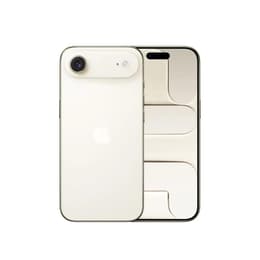
- Camera Systems: The Pixel 9 opts for a versatile dual rear camera array including a primary and ultra-wide lens, while the iPhone Air streamlines photography with a single high-resolution fusion lens setup.
- Video and Low-Light Performance: Both handsets capture sharp, detailed video in standard lighting conditions and utilize computational processing to brighten dark environments.
- Audio Output: Built-in speakers on both models deliver clear sound suitable for casual video viewing and hands-free calls, complemented by sensitive multi-microphone arrays.
Miscellaneous
Practical daily utility features vary across connectivity standards, biometrics, and physical ergonomics.
- Connectivity and Ports: Both devices support rapid 5G cellular networks and modern Wi-Fi standards, utilizing USB-C connectors for wired charging and data transfer.
- Biometric Security: The Pixel 9 relies on facial recognition alongside an in-display fingerprint sensor, whereas the iPhone Air utilizes facial authentication exclusively.
- Handling and Weight: The iPhone Air emphasizes ultra-lightweight portability at a record-thin depth, while the Pixel 9 presents a slightly heavier, contoured profile designed for secure, traditional grip.
Screen size (in)
6.3
6.5
Network
5G
5G
SIM card
Physical SIM + eSIM
eSIM
Carrier compatibility
Unlocked
Unlocked
Connector
USB-C
USB-C
What the community thinks
User discussions across community forums often highlight the Google Pixel 9 for its reliable battery longevity, comprehensive camera versatility, and fluid integration of intelligent software features. Conversely, community feedback frequently praises the iPhone Air for its groundbreaking thinness, lightweight build, and premium hand-feel, though some users note trade-offs in single-lens camera flexibility compared to bulkier multi-lens alternatives.
Users prioritizing deep customization, flexible multi-lens photography, and traditional ergonomics may prefer the Google Pixel 9. Meanwhile, users prioritizing featherlight portability, a minimalist physical profile, and the iOS ecosystem will lean toward the iPhone Air. For consumers exploring sustainable options, choosing a quality-assured refurbished model provides an eco-friendly alternative to purchasing brand-new hardware.