

Galaxy S21 FE 5G Vs iPhone 16 Plus

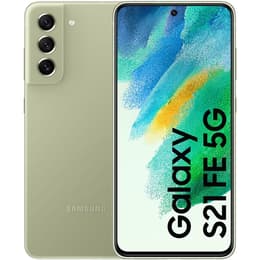
Galaxy S21 FE 5G
Galaxy S21 FE 5G
Starting at

Refurbished price:159.00

Versus €829.91 new

See options
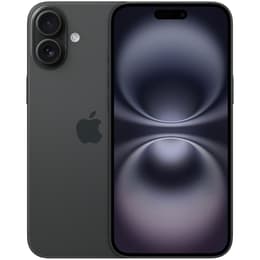
iPhone 16 Plus
iPhone 16 Plus
Starting at

Refurbished price:559.00

Versus €979.00 new

See options

Ratings

The Samsung Galaxy S21 FE 5G, released in January 2022, and the Apple iPhone 16 Plus, launched in September 2024, represent distinct approaches to the smartphone experience. While the Galaxy S21 FE operates on the Android platform, offering extensive customization, the iPhone 16 Plus runs on Apple's iOS, known for its integrated ecosystem and streamlined user interface. A key differentiator lies in their release timelines, impacting their respective software support lifespans and hardware capabilities.

Scores

Durability

When considering the longevity of these devices, their release dates play a significant role in expected software support and overall practical lifespan.

  • Release Timeline: The Galaxy S21 FE 5G was introduced in January 2022, making it a device that has been on the market for some time. The iPhone 16 Plus, on the other hand, is a more recent release from September 2024.
  • Software Longevity: The Galaxy S21 FE 5G is eligible for four major Android operating system updates, extending its support up to Android 16, and receives five years of security updates from its release. In contrast, the iPhone 16 Plus is expected to receive major iOS updates for approximately 5-7 years, with security patches often continuing for 7-8 years, potentially extending its usability until around 2036. [3, 6, 9, 15, 18, 31, 33, 42]
  • Repairability: The Galaxy S21 FE 5G generally offers a reasonable level of repairability, with many components being accessible, though its battery is notably glued in place, making replacement more involved. [25, 40] Apple designs its devices with specific repair procedures, and while parts are available, repairs often require specialized tools and knowledge.

Year of Release

2022

2024

Compatible with latest Update

Yes

Yes

Foldable

No

No

Performance

The performance of a smartphone is crucial for daily tasks, from app usage to demanding games, and both devices offer capable experiences, though with different underlying hardware generations.

  • Processing Power: The iPhone 16 Plus features a newer generation processor, which provides a significant boost in overall speed and efficiency, particularly noticeable with demanding applications, complex multitasking, and the new Apple Intelligence features. [11, 19, 24] The Galaxy S21 FE 5G, powered by a processor from its release era, handles everyday tasks smoothly and runs most applications without issues. [5]
  • Multitasking and Storage: The iPhone 16 Plus is expected to come with 8GB of RAM, contributing to fluid multitasking and app management. [11, 19, 36] Both devices offer various internal storage options, with the iPhone 16 Plus available in 128GB, 256GB, and 512GB, and the Galaxy S21 FE 5G in 128GB and 256GB configurations. [2, 24, 27, 30]
  • Battery Behavior: The Galaxy S21 FE 5G is equipped with a 4500mAh battery, generally providing a full day of use for many users, though heavy usage might require an evening charge. [1, 5, 28] The iPhone 16 Plus features a larger battery than its predecessor, with users reporting it can comfortably last through a full day, and some heavy users even extending into a second day. [8, 39, 41]

Memory (GB)

6 GB

8 GB

Screen quality

The visual experience is a primary interaction point, and both phones offer vibrant displays, each with distinct characteristics.

  • Display Technology and Clarity: The Galaxy S21 FE 5G features a 6.4-inch Dynamic AMOLED 2X display, known for its deep blacks and vivid colors, with a resolution of 1080x2400 pixels. [2, 21] The iPhone 16 Plus sports a larger 6.7-inch Super Retina XDR OLED display, offering sharp visuals with a resolution of 2796x1290 pixels at 460 ppi. [4, 30]
  • Brightness and Outdoor Visibility: The Galaxy S21 FE 5G provides a typical maximum brightness of 800 nits and a peak brightness of 1200 nits, ensuring good visibility in various lighting conditions. [27] The iPhone 16 Plus offers a typical maximum brightness of 1000 nits, a peak HDR brightness of 1600 nits, and an impressive 2000 nits peak brightness for outdoor use, enhancing readability in bright sunlight. [4, 30]
  • Refresh Rate and Smoothness: The Galaxy S21 FE 5G features a 120Hz refresh rate, contributing to smoother scrolling and more fluid animations. [1, 21] The iPhone 16 Plus, while offering a high-quality OLED panel, does not include ProMotion technology, meaning it operates at a standard 60Hz refresh rate. [4, 11, 36]

Resolution

1080 x 2340

1290 x 2796

Screen type

Dynamic AMOLED 2X

Super Retina XDR OLED

Audiovisual

Both devices provide capable camera systems for capturing photos and videos, catering to different user preferences and introducing distinct features.

  • Rear Camera System: The Galaxy S21 FE 5G includes a versatile triple camera setup: a 12MP main sensor with optical image stabilization (OIS), a 12MP ultrawide lens, and an 8MP telephoto lens offering 3x optical zoom. [1, 2, 21, 27] The iPhone 16 Plus features a dual-camera system with a 48MP main sensor and a 12MP ultrawide lens, both benefiting from improved light-gathering capabilities. [10, 12, 22]
  • Photography Features: The iPhone 16 Plus introduces new capabilities to the standard iPhone line, such as macro photography mode and the ability to record spatial video, which can be viewed on compatible devices. [10, 12, 14, 19, 20, 22] The Galaxy S21 FE 5G offers features like Bright Night for improved low-light shots and Single Take for capturing multiple formats from one moment. [13]
  • Video Recording and Audio: Both phones are capable of recording high-quality video, with the Galaxy S21 FE 5G supporting 4K at 60fps from its rear cameras. [5, 16] The iPhone 16 Plus also offers advanced video recording, including support for spatial video. [12, 19] Both devices provide clear microphone quality for calls and recordings, and their speakers deliver a good experience for media consumption.

Main camera

12 megapixels

48 megapixels

Front camera

32 megapixels

12 megapixels

Miscellaneous

Beyond core specifications, several practical elements contribute to the overall user experience and daily convenience.

  • Connectivity and Ports: Both the Galaxy S21 FE 5G and the iPhone 16 Plus support 5G connectivity for fast mobile data. The Galaxy S21 FE 5G uses a USB-C port for charging and data transfer. The iPhone 16 Plus also features a USB-C port, aligning with modern connectivity standards. [11]
  • Biometric Security and Buttons: The Galaxy S21 FE 5G utilizes an in-display fingerprint sensor for secure unlocking. The iPhone 16 Plus relies on Face ID for biometric authentication and includes the Action Button, a customizable physical button, and a new touch-sensitive Capture Button for camera functions. [11, 19, 22]
  • Design and Handling: The Galaxy S21 FE 5G has an aluminum frame with a plastic back, contributing to its lighter weight of 177g and a slim profile. [2, 17] The iPhone 16 Plus features an aluminum design with a Ceramic Shield front and a color-infused glass back, weighing 199g. [24, 30] Both devices offer IP68 dust and water resistance. [2]

Weight

177 g

199 g

Screen size (in)

6.4

6.7

Network

5G

5G

SIM card

Physical SIM

eSIM

Carrier compatibility

Unlocked

Unlocked

Connector

USB-C

USB-C (USB 2)

The Samsung Galaxy S21 FE 5G and the Apple iPhone 16 Plus cater to different user needs and preferences, largely influenced by their respective ecosystems and release timelines.

Users often praise the Galaxy S21 FE 5G for its vibrant AMOLED display with a 120Hz refresh rate, its versatile camera system including a telephoto lens, and the flexibility of the Android operating system. Common feedback sometimes points to its battery life being adequate but not exceptional for heavy users, and its processor, while capable, is not the latest generation. [1, 5, 28] It is often seen as a balanced device offering a solid feature set.

The iPhone 16 Plus is frequently lauded for its powerful and efficient processor, its extended software support, and the seamless integration within the Apple ecosystem. Users appreciate its bright OLED display and the introduction of new camera features like spatial video and macro mode to the standard line. Some users note the absence of a 120Hz ProMotion display on this model, a feature reserved for the Pro series. [4, 11, 36] Its battery life is generally well-regarded, often lasting through demanding days. [39, 41]

Users prioritizing a highly customizable Android experience with a high refresh rate display and a dedicated telephoto lens may find the Galaxy S21 FE 5G well-suited to their needs. Conversely, those who value long-term software support, a powerful and efficient processor for demanding tasks, and the integrated iOS ecosystem, along with advanced camera features like spatial video, may lean towards the iPhone 16 Plus. Both devices offer a quality experience, and for those seeking a sustainable choice, a quality-assured refurbished option for either model can provide an eco-friendly alternative.

See all articles

Our recent comparisons