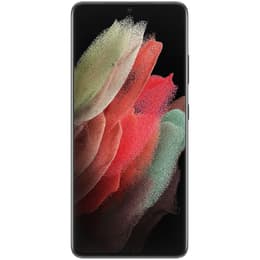

Galaxy S21 Ultra 5G Vs Xiaomi Redmi Note 14 Pro

Galaxy S21 Ultra 5G
Galaxy S21 Ultra 5G
Starting at

Refurbished price:229.00

Versus €1,297.00 new

See options
Xiaomi Redmi Note 14 Pro
Starting at

Refurbished price:260.77

Versus €349.99 new

See options

Ratings

The Samsung Galaxy S21 Ultra 5G, released in January 2021, and the Xiaomi Redmi Note 14 Pro, launched in late 2024 or early 2025, represent different approaches to smartphone design and functionality. While the Galaxy S21 Ultra 5G was a premium flagship at its release, the Redmi Note 14 Pro aims to deliver a modern experience with a focus on display technology and battery life. Both devices operate on the Android platform, offering a wide ecosystem of applications and services.

Scores

Durability

The expected practical lifespan of a smartphone is influenced by its release timeline, software support, and physical durability.

  • Release Timeline: The Galaxy S21 Ultra 5G, launched in January 2021, is an older device compared to the Redmi Note 14 Pro, which was released in late 2024 or early 2025. This age difference directly impacts their remaining software support.
  • OS Support: The Galaxy S21 Ultra 5G launched with Android 11 and has received updates up to Android 14, indicating a strong commitment to software longevity from its manufacturer. The Redmi Note 14 Pro, launching with Android 14 and HyperOS, is expected to receive up to three major Android upgrades, ensuring a longer period of current software features and security updates from its release date.
  • Durability Features: The Galaxy S21 Ultra 5G features Corning Gorilla Glass Victus on both its front and back, along with an aluminum frame and an IP68 rating for dust and water resistance, offering robust protection against daily wear and tear. The Redmi Note 14 Pro utilizes Corning Gorilla Glass 5 for screen protection.

Year of Release

2021

2025

OS

Android

Android

Foldable

No

No

Performance

Performance in daily use is shaped by a device's internal components, affecting app responsiveness, multitasking, and overall system fluidity.

  • Processing Power: The Galaxy S21 Ultra 5G, powered by a high-end processor from its era, handles demanding applications and intensive multitasking with ease, providing a smooth user experience for complex tasks and gaming. The Redmi Note 14 Pro features a modern mid-range processor designed to offer efficient performance for everyday applications, web browsing, and moderate gaming, ensuring responsive operation.
  • Memory and Storage: The Galaxy S21 Ultra 5G was available with 12GB or 16GB of RAM and storage options up to 512GB, allowing for extensive multitasking and ample space for files and applications. The Redmi Note 14 Pro typically comes with 8GB or 12GB of RAM and storage options ranging from 128GB to 512GB, which is suitable for most users' needs for app management and data storage.
  • Battery Behavior: The Galaxy S21 Ultra 5G is equipped with a 5000 mAh battery, generally providing a full day of use for many users, though heavy usage may require more frequent charging. The Redmi Note 14 Pro features a battery capacity in the range of 5110mAh to 5500mAh, combined with its efficient processor, which contributes to extended usage times and supports 45W fast charging for quicker power replenishment.

Memory (GB)

12 GB

8 GB

Screen quality

The display is a primary interface for smartphone interaction, with differences in technology and specifications impacting the visual experience.

  • Display Technology and Resolution: The Galaxy S21 Ultra 5G boasts a 6.8-inch Dynamic AMOLED 2X display with a high resolution of 1440 x 3200 pixels, resulting in sharp images and text with excellent color reproduction. The Redmi Note 14 Pro features a 6.67-inch AMOLED panel with a resolution of 1220 x 2712 pixels, offering clear visuals and vibrant colors suitable for media consumption and daily tasks.
  • Brightness and Refresh Rate: Both devices offer a 120Hz refresh rate for smoother scrolling and more fluid animations. The Redmi Note 14 Pro stands out with a peak brightness of 3000 nits, which significantly enhances visibility in bright outdoor conditions and improves HDR content viewing. The Galaxy S21 Ultra 5G also provides strong brightness, though its peak level is typically lower than the Redmi Note 14 Pro's.
  • Visual Enhancements: The Galaxy S21 Ultra 5G supports HDR10+ for enhanced contrast and color depth. The Redmi Note 14 Pro also includes HDR10+ and Dolby Vision support, further enriching the viewing experience for compatible content.

Resolution

1440 x 3200

1080x2400

Audiovisual

Camera systems are a key consideration for many users, with varying configurations and features impacting photographic and video capabilities.

  • Rear Camera System: The Galaxy S21 Ultra 5G features a versatile quad-camera setup, including a 108MP main sensor, a 12MP ultrawide lens, and two 10MP telephoto lenses, one of which is a periscope zoom, allowing for significant optical zoom capabilities and detailed shots across various focal lengths. The Redmi Note 14 Pro comes with a triple camera system, highlighted by a 50MP main sensor with optical image stabilization (OIS), an 8MP ultrawide camera, and a 2MP macro lens, providing good detail for everyday photos and wider landscape shots.
  • Photography Performance: The Galaxy S21 Ultra 5G is known for its strong low-light performance and ability to capture highly detailed images, especially with its high-resolution main sensor and advanced zoom features. The Redmi Note 14 Pro's 50MP main sensor with OIS is capable of producing clear and stable images in various lighting conditions, with its ultrawide lens offering a broad field of view.
  • Video Recording and Front Camera: Both devices support 4K video recording, with the Galaxy S21 Ultra 5G offering a 40MP front camera for high-resolution selfies and video calls. The Redmi Note 14 Pro records 4K video at 24/30fps and features a 20MP front camera, suitable for clear video calls and self-portraits.

Front camera

40 megapixels

32 MP

Miscellaneous

Beyond core specifications, practical elements like connectivity, physical design, and additional features contribute to the overall user experience.

  • Connectivity and Ports: Both smartphones support 5G connectivity, ensuring access to faster mobile networks. The Galaxy S21 Ultra 5G uses a USB-C port, while the Redmi Note 14 Pro also features a USB-C port for charging and data transfer.
  • Physical Design and Handling: The Galaxy S21 Ultra 5G has dimensions of 165.10 x 75.60 x 8.90 mm and weighs 228g, giving it a substantial feel. The Redmi Note 14 Pro is slightly more compact and lighter at 162.3 x 74.4 x 8.4 mm and 190g, potentially offering a more comfortable grip for some users. The Galaxy S21 Ultra 5G also supports the S-Pen, adding a layer of functionality for note-taking and drawing.
  • Security and Sensors: Both devices incorporate modern security features. The Galaxy S21 Ultra 5G includes an in-display fingerprint sensor, while the Redmi Note 14 Pro also features an in-display fingerprint sensor for secure unlocking.

Weight

227 g

180 g

Screen size (in)

6.8

6.67

Network

5G

4G

SIM card

Physical SIM + eSIM

Dual Physical SIM

Carrier compatibility

Unlocked

Unlocked

The Samsung Galaxy S21 Ultra 5G and the Xiaomi Redmi Note 14 Pro cater to different user priorities, reflecting their respective market positions and release timelines. Users often praise the Galaxy S21 Ultra 5G for its comprehensive camera system, particularly its versatile zoom capabilities and high-resolution main sensor, which remains competitive even years after its release. Its premium build quality and vibrant, high-resolution display are also frequently highlighted as strong points. Some users, however, note that its battery life, while adequate, might not match newer devices under heavy usage, and its larger size can be a consideration for one-handed use.

The Xiaomi Redmi Note 14 Pro, being a more recent release, is often lauded for its exceptionally bright display, offering excellent outdoor visibility and an immersive viewing experience. Its efficient processor and substantial battery capacity, coupled with fast charging, are frequently cited as benefits for users seeking extended usage without constant recharging. Common feedback also points to its modern software experience with Android 14 and HyperOS. Potential considerations might include its camera system, which, while capable, may not offer the same level of telephoto versatility as older flagship devices.

Users prioritizing a highly advanced and versatile camera system with strong zoom capabilities, along with a premium build and a very high-resolution display, may find the Galaxy S21 Ultra 5G well-suited to their needs. Conversely, users who prioritize a cutting-edge display with extreme brightness, a modern software experience, and robust battery life with fast charging, might lean toward the Redmi Note 14 Pro. Both devices offer compelling features, and choosing between them often comes down to which aspects align best with individual usage patterns. Exploring quality-assured refurbished options for either model can provide an eco-friendly alternative for making an informed choice.


See all articles

Our recent comparisons







