

iPhone 13 Pro Max Vs Xiaomi 12T Pro

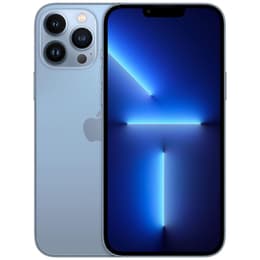
iPhone 13 Pro Max
iPhone 13 Pro Max
Starting at

Refurbished price:369.00

Versus €1,249.00 new

See options
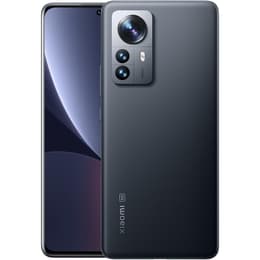
Xiaomi 12T Pro
Xiaomi 12T Pro
Starting at

Refurbished price:201.00

Versus €1,199.00 new

See options

Ratings

The iPhone 13 Pro Max (2021) and the Xiaomi 12T Pro (2022) are both high-performance smartphones, though they originate from different ecosystems and were released approximately a year apart. While the iPhone 13 Pro Max operates on Apple's iOS, the Xiaomi 12T Pro runs on Android, specifically MIUI. The iPhone emphasizes a refined user experience and robust camera system, whereas the Xiaomi 12T Pro focuses on raw power, a high-megapixel main camera, and rapid charging capabilities.

Scores

Durability

When considering the practical lifespan of these devices, several factors come into play, including their release timelines, software support, and physical durability features.

  • Release Timeline: The iPhone 13 Pro Max was released in September 2021, making it a slightly older device compared to the Xiaomi 12T Pro, which launched in October 2022. This difference in release date can influence the duration of future software support.
  • Software Longevity: Apple typically provides iOS updates for its devices for five to six years from their release. The iPhone 13 Pro Max, having launched with iOS 15, is expected to receive updates for several more years. The Xiaomi 12T Pro, launched with Android 12 and MIUI 13, generally receives fewer major Android version updates compared to iPhones, though it does offer a commitment to OS updates.
  • Durability Features: The iPhone 13 Pro Max features a Ceramic Shield front cover and an IP68 rating for dust and water resistance, indicating a high level of protection against environmental elements. The Xiaomi 12T Pro comes with Corning Gorilla Glass 5 on the front and an IP53 rating, offering splash and dust resistance, but not full submersion protection.

Year of Release

2021

2022

Compatible with latest Update

Yes

Yes

OS

iOS

Android

Foldable

No

No

Performance

Both smartphones offer robust performance for daily tasks and demanding applications, though they achieve this through different hardware architectures.

  • System Responsiveness: The iPhone 13 Pro Max, powered by its A15 Bionic chip, delivers consistently smooth performance across applications, multitasking, and graphically intensive games. Users report a highly fluid and responsive experience. The Xiaomi 12T Pro, featuring a powerful current-generation processor, also handles demanding apps and multitasking with efficiency, making it well-suited for mobile gaming and heavy usage.
  • Storage and Memory: The iPhone 13 Pro Max offers a range of storage options from 128GB up to 1TB, paired with 6GB of RAM, providing ample space and memory for most users. The Xiaomi 12T Pro is available with 128GB or 256GB of storage and comes with either 8GB or 12GB of RAM, which supports smooth multitasking on the Android platform.
  • Battery Behavior: The iPhone 13 Pro Max is known for its exceptional battery longevity, often providing up to two days of use for many users on a single charge. The Xiaomi 12T Pro, equipped with a larger battery capacity, also offers long-lasting power, typically enduring a full day of standard use. A notable difference is the Xiaomi's 120W fast charging capability, which can fully replenish the battery in a short period, while the iPhone supports standard wired and wireless charging.

Memory (GB)

6 GB

8 GB

Screen quality

The visual experience on both devices is a key aspect, with each offering a high-quality display tailored to different preferences.

  • Display Technology and Clarity: The iPhone 13 Pro Max features a 6.7-inch Super Retina XDR OLED display, known for its deep blacks, vibrant colors, and high contrast. It has a resolution of 2778 x 1284 pixels, resulting in a sharp image. The Xiaomi 12T Pro sports a 6.67-inch CrystalRes AMOLED display with a resolution of 1220 x 2712 pixels, offering clear visuals and rich colors.
  • Brightness and Refresh Rate: The iPhone 13 Pro Max's display can reach up to 1000 nits of typical brightness and 1200 nits peak for HDR content, ensuring good visibility in various lighting conditions. Its ProMotion technology provides an adaptive refresh rate from 10Hz to 120Hz for smooth scrolling and efficient power use. The Xiaomi 12T Pro's display offers a 120Hz refresh rate with AdaptiveSync, providing fluid motion, and reaches around 900 nits of peak brightness, which is suitable for outdoor use.
  • Viewing Experience: Both devices offer large screens that enhance media consumption and general usage. The iPhone's display is protected by Ceramic Shield, while the Xiaomi uses Gorilla Glass 5.

Resolution

1284 x 2778

1220 x 2712

Screen type

Super Retina XDR OLED

AMOLED

Audiovisual

Both smartphones feature advanced camera systems designed to capture high-quality photos and videos, though they approach imaging with different philosophies.

  • Rear Camera Systems: The iPhone 13 Pro Max is equipped with a versatile triple 12MP camera system, including Wide, Ultra Wide, and Telephoto lenses, offering 3x optical zoom in and 2x optical zoom out. It excels in low-light performance and features Cinematic mode for video with shallow depth of field, and ProRes video recording. The Xiaomi 12T Pro boasts a 200MP main camera with optical image stabilization, an 8MP ultra-wide camera, and a 2MP macro camera. Its main sensor is capable of capturing highly detailed images and 8K video.
  • Photography Performance: The iPhone 13 Pro Max is praised for its consistent image quality, excellent color accuracy, and strong performance in various lighting conditions, including Night mode. Its macro photography capabilities are also a notable feature. The Xiaomi 12T Pro's 200MP main camera delivers impressive detail, especially in well-lit conditions, and performs well in low light. However, its 8MP ultra-wide and 2MP macro cameras are generally considered less capable compared to the main sensor.
  • Video and Audio: The iPhone 13 Pro Max offers high-quality video recording with features like Cinematic mode and ProRes, making it a strong tool for content creators. The Xiaomi 12T Pro supports 8K video recording and has a 20MP front camera that captures good skin tones. It also features dual speakers with sound enhancements.

Main camera

12 megapixels

200 megapixels

Front camera

12 megapixels

20 megapixels

Miscellaneous

Beyond core specifications, several practical elements contribute to the overall user experience of these smartphones.

  • Connectivity and Ports: Both devices support 5G connectivity and Wi-Fi 6 for fast wireless internet. The iPhone 13 Pro Max uses Bluetooth 5.0 and features a Lightning port for charging and data transfer. The Xiaomi 12T Pro includes Bluetooth 5.2 and a USB-C port, which is a widely adopted standard.
  • Biometric Security: The iPhone 13 Pro Max relies on Face ID for secure facial recognition. The Xiaomi 12T Pro incorporates an in-display fingerprint sensor for biometric authentication, alongside face unlock.
  • Design and Handling: The iPhone 13 Pro Max has dimensions of 160.8 x 78.1 x 7.65 mm and weighs 240 grams, giving it a substantial feel. The Xiaomi 12T Pro measures 163.1 x 75.9 x 8.6 mm and weighs 205 grams, making it slightly taller but lighter than the iPhone. Its design features a matte finish on the back to reduce fingerprints.

Weight

238 g

204 g

Screen size (in)

6.7

6.67

Network

5G

5G

SIM card

Physical SIM + eSIM

Dual Physical SIM

Carrier compatibility

Unlocked

Unlocked

User feedback for the iPhone 13 Pro Max frequently highlights its exceptional battery life, often described as a two-day phone for many, and its highly capable camera system, particularly for video recording and low-light photography. Users also appreciate the smooth and responsive display with adaptive refresh rates. Some common criticisms, however, include its considerable weight and size, which can make one-handed use challenging for some.

The Xiaomi 12T Pro receives praise for its powerful performance, making it suitable for gaming and demanding applications, and its incredibly fast charging technology, which can fully charge the device in a short amount of time. The high-resolution main camera is also a frequent point of positive mention for its detail capture. Conversely, users sometimes note that the secondary cameras (ultra-wide and macro) do not match the quality of the main sensor, and the absence of wireless charging and a higher IP rating are occasionally mentioned as drawbacks.

Users prioritizing extended battery life, a highly refined software experience, and a consistently strong camera system across all lenses, especially for video, may find the iPhone 13 Pro Max well-suited to their needs. Those who value rapid charging, a powerful processor for gaming, and a high-megapixel main camera for detailed stills, while operating within the Android ecosystem, might lean towards the Xiaomi 12T Pro. Both devices offer compelling features, and considering a quality-assured refurbished option can be an eco-friendly alternative for either model.


See all articles

Our recent comparisons






