

iPhone

Compare models
Differences at a glance
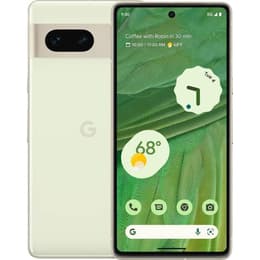
The Google Pixel 7, released in October 2022, and the iPhone 16E, launched in February 2025, represent distinct approaches to smartphone design and functionality. While the Pixel 7 operates on the Android ecosystem, the iPhone 16E runs on Apple's iOS. These devices cater to different user preferences, with the Pixel 7 emphasizing advanced computational photography and a fluid Android experience, and the iPhone 16E offering a compact form factor within the Apple ecosystem. Key differentiators include their operating systems, processor capabilities, and display refresh rates.
Colour
Storage
When considering the long-term usability of these devices, their release timelines and software support policies are important factors.
Year of Release
OS
Foldable
The performance of a smartphone is largely determined by its internal processing power and how efficiently it manages tasks and applications.
The visual experience on a smartphone is heavily influenced by its display technology, resolution, and brightness capabilities.
Resolution
Both smartphones offer advanced camera systems, leveraging computational photography to deliver high-quality images and videos.
Front camera
Beyond core specifications, several practical elements contribute to the overall user experience and device utility.
Weight
Screen size (in)
Network
SIM card
Carrier compatibility
The Google Pixel 7 and iPhone 16E cater to users with differing priorities, reflecting their distinct ecosystems and design philosophies. Users often praise the Pixel 7 for its exceptional camera capabilities, particularly its computational photography features like Magic Eraser and Photo Unblur, which enhance everyday photos. Its fluid Android experience and consistent software updates are also frequently highlighted as strong points. Some users, however, have noted that its battery life, while capable of lasting a full day for many, might require more frequent charging for heavy users compared to some competitors.
The iPhone 16E, despite its short market availability, is appreciated for its integration within the Apple ecosystem, offering a familiar and intuitive iOS experience. Its powerful A18 chip ensures smooth performance across applications, and the improved repairability of the iPhone 16 series is a welcome development for those concerned with device longevity. Potential criticisms might stem from its 60Hz display, which some users accustomed to higher refresh rates might find less fluid, and its brief retail window.
Users prioritizing a longer guaranteed software support timeline and advanced AI-driven camera features within the Android ecosystem may find the Google Pixel 7 well-suited to their needs. Conversely, those who value the seamless integration and robust performance of the Apple ecosystem, along with a more compact design and improved repairability, might lean toward the iPhone 16E. Both devices offer compelling features, and choosing between them often comes down to personal preference for operating system and specific feature emphasis. For those seeking a more sustainable choice, considering a quality-assured refurbished option for either model can be an eco-friendly alternative.