

Compare models

iPhone 11 Vs iPhone 12 Pro Max

  • 1-year minimum warranty
  • Free delivery on all orders
  • Free 30-day returns
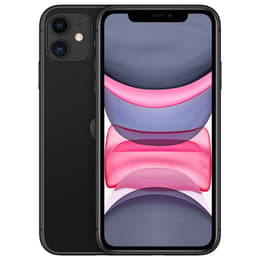
iPhone 11
iPhone 11
Starting at

Refurbished price:156.00

Versus €589.00 new

See options
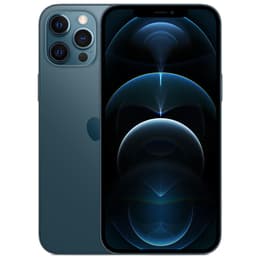
iPhone 12 Pro Max
iPhone 12 Pro Max
Starting at

Refurbished price:275.00

Versus €1,259.00 new

See options

Differences at a glance

The iPhone 11, released in September 2019, and the iPhone 12 Pro Max, launched in November 2020, represent different generations within Apple's smartphone lineup. While both operate on Apple's iOS ecosystem, the iPhone 12 Pro Max introduces a more advanced display, enhanced camera capabilities, and next-generation connectivity, setting it apart from its predecessor. This comparison will explore the practical differences to help users determine which device aligns best with their needs.

Scores

Durability

When considering the longevity of these devices, several factors come into play, including their release dates and expected software support.

  • Release Timeline: The iPhone 11 was released in September 2019, while the iPhone 12 Pro Max followed in November 2020. This means the iPhone 12 Pro Max benefits from an additional year of potential software updates and security patches from its launch date.
  • Software Longevity: Both devices are known for receiving consistent iOS updates for several years. The iPhone 12 Pro Max, being a year newer, is expected to receive software support for a longer duration, potentially extending its practical lifespan by approximately one year compared to the iPhone 11.
  • Durability and Repairability: The iPhone 11 has an IP68 rating, allowing submersion up to 2 meters for 30 minutes, and a repairability score of 6/10 according to iFixit. The iPhone 12 Pro Max also features an IP68 rating, but with enhanced water resistance up to 6 meters for 30 minutes, and incorporates a Ceramic Shield front cover for improved drop performance.

Year of Release

2019

2020

Compatible with latest Update

Yes

Yes

OS

iOS

iOS

Foldable

No

No

Performance

The performance of a smartphone is crucial for daily tasks, from launching applications to managing multiple processes simultaneously.

  • System Responsiveness: The iPhone 12 Pro Max features a newer generation processor compared to the iPhone 11. This translates to faster app loading times, smoother transitions, and more efficient handling of demanding applications and games on the iPhone 12 Pro Max.
  • Multitasking and Efficiency: The iPhone 12 Pro Max generally offers more RAM, which contributes to better multitasking capabilities, allowing users to switch between numerous apps without experiencing slowdowns. The iPhone 11, while still capable, may show slight delays with a high number of active background applications.
  • Storage Options: The iPhone 11 is available with 64GB, 128GB, and 256GB storage options. The iPhone 12 Pro Max starts at 128GB and also offers 256GB and 512GB configurations, providing more generous base storage and a higher maximum capacity for users with extensive media libraries or large applications.

Memory (GB)

4 GB

6 GB

Screen quality

The display is a primary interface for any smartphone, and there are notable differences in the screen technology and viewing experience between these two models.

  • Display Technology and Clarity: The iPhone 11 features a 6.1-inch Liquid Retina HD LCD display with a resolution of 1792x828 pixels at 326 ppi. In contrast, the iPhone 12 Pro Max boasts a larger 6.7-inch Super Retina XDR OLED display, offering a higher resolution of 2778x1284 pixels at 458 ppi. The OLED technology on the 12 Pro Max provides deeper blacks and more vibrant colors compared to the LCD of the iPhone 11.
  • Brightness and Viewing Experience: The iPhone 11 has a typical maximum brightness of 625 nits. The iPhone 12 Pro Max offers significantly higher brightness, reaching 800 nits typically and up to 1200 nits for HDR content, which improves visibility in bright outdoor conditions and enhances HDR media consumption. Both support True Tone and Wide Color (P3) for accurate color representation.
  • Screen Size and Design: The iPhone 12 Pro Max's larger 6.7-inch display provides a more expansive viewing area, which can be beneficial for media consumption and productivity. The iPhone 11's 6.1-inch display offers a more compact form factor.

Resolution

828 x 1792

1284 x 2778

Screen type

Liquid Retina IPS LCD

Super Retina XDR OLED

Audiovisual

Both devices offer capable camera systems, but the iPhone 12 Pro Max introduces several advancements for photography and videography enthusiasts.

  • Rear Camera System: The iPhone 11 features a dual 12MP camera system with a Wide and an Ultra Wide lens. The iPhone 12 Pro Max steps up with a triple 12MP Pro camera system, including Ultra Wide, Wide, and Telephoto lenses, providing greater versatility. The 12 Pro Max also offers 2.5x optical zoom in and 2x optical zoom out, for a 5x optical zoom range, compared to the iPhone 11's 2x optical zoom out.
  • Low-Light Performance and Stabilization: The iPhone 12 Pro Max features a larger sensor on its Wide camera and sensor-shift optical image stabilization, which significantly improves low-light performance and image stability. It also includes a LiDAR Scanner for faster autofocus in low light and Night mode portraits, a feature not present on the iPhone 11. Both models offer Night mode for improved low-light photography.
  • Video Recording and Audio: Both phones support 4K video recording up to 60fps. However, the iPhone 12 Pro Max can record HDR video with Dolby Vision up to 60fps, offering a more professional video capture experience. Both devices provide stereo audio recording for videos.

Main camera

12 megapixels

12 megapixels

Front camera

12 megapixels

12 megapixels

Miscellaneous

Beyond core features, several practical elements contribute to the overall user experience and device utility.

  • Connectivity: A significant difference is the iPhone 12 Pro Max's support for 5G cellular networks, offering faster download and upload speeds in supported areas, which the iPhone 11 lacks. Both devices support Wi-Fi 6 and Bluetooth 5.0 for robust wireless connections.
  • Ports and Sensors: Both models utilize the Lightning port for charging and data transfer. Neither device includes a traditional 3.5mm headphone jack. Both feature Face ID for secure authentication. The iPhone 12 Pro Max additionally incorporates a LiDAR Scanner, which enhances augmented reality experiences and improves camera performance.
  • Physical Characteristics: The iPhone 11 weighs 194 grams and has dimensions of 150.9mm x 75.7mm x 8.3mm. The iPhone 12 Pro Max is a larger and heavier device at 228 grams, with dimensions of 160.8mm x 78.1mm x 7.4mm. The 12 Pro Max also features a flat-edged design and a stainless steel frame, offering a different aesthetic and feel compared to the iPhone 11's rounded aluminum frame.

Weight

194 g

226 g

Width

7,57 cm

7,81 cm

Height

15,09 cm

16,08 cm

Depth

0,83 cm

0,74 cm

Screen size (in)

6.1

6.7

Network

4G

5G

SIM card

Physical SIM + eSIM

Physical SIM + eSIM

Carrier compatibility

Unlocked

Unlocked

Connector

Lightning

Lightning

What the community thinks

The iPhone 11 and iPhone 12 Pro Max cater to different user priorities, reflecting their respective positions in Apple's product evolution. User feedback for the iPhone 11 often praises its balanced performance and capable camera system for everyday use, particularly its Night mode and Ultra Wide lens, which were significant improvements at its release. Common criticisms sometimes point to its LCD display technology compared to the OLED screens found in more premium models.

The iPhone 12 Pro Max, on the other hand, is frequently lauded by users for its expansive OLED display, advanced camera system with improved low-light capabilities and sensor-shift stabilization, and the inclusion of 5G connectivity. Its larger size and weight are sometimes noted as a consideration for users preferring a more compact device.

Users prioritizing a large, vibrant display, cutting-edge camera features, and future-proof 5G connectivity will find the iPhone 12 Pro Max well-suited to their needs. Its enhanced performance and extended software support timeline also make it a strong contender for those seeking a device with a longer practical lifespan. Conversely, users who prefer a slightly more compact form factor, still desire a capable camera, and do not require the absolute latest in display or connectivity technology may find the iPhone 11 to be a suitable option.

For those considering either device, exploring quality-assured refurbished options can provide an eco-friendly alternative, offering access to these technologies while supporting sustainable consumption.