
iPhone

Compare models
Differences at a glance
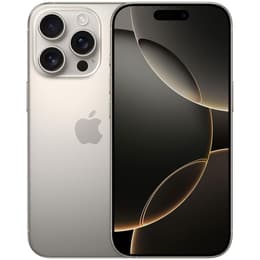
The Google Pixel 7, released in October 2022, and the iPhone 16 Pro, launched in September 2024, represent distinct approaches to smartphone design and functionality from their respective manufacturers. While the Pixel 7 operates on Android, offering a customizable experience, the iPhone 16 Pro runs on iOS, known for its integrated ecosystem. A primary difference lies in their release timelines, with the iPhone 16 Pro featuring more recent advancements in processing power and camera technology.
Colour
Storage
When considering the practical lifespan of these devices, their release dates and software support policies are key factors. The Google Pixel 7, launched in 2022, typically receives at least five years of security updates from its release, with major Android version upgrades extending for a few years. The iPhone 16 Pro, released in 2024, benefits from Apple's generally longer software support cycle for its devices, though it was discontinued in September 2025 following the release of newer models.
Year of Release
Compatible with latest Update
Foldable
Performance is a significant area of distinction, largely influenced by the two-year gap in their release. The iPhone 16 Pro, being a more recent device, incorporates a newer generation of internal components.
The visual experience on both devices is delivered through high-quality displays, though with notable differences in technology and specifications.
Resolution
Screen type
Both smartphones offer capable camera systems, but the iPhone 16 Pro presents a more advanced and versatile setup due to its newer generation hardware.
Main camera
Front camera
Beyond core performance and display, several practical elements contribute to the overall user experience of each device.
Weight
Screen size (in)
Network
SIM card
Carrier compatibility
Connector
The Google Pixel 7 and iPhone 16 Pro cater to different user preferences, largely influenced by their operating systems and generational differences. Users often praise the Pixel 7 for its exceptional camera capabilities, particularly its computational photography features that deliver impressive results in various lighting conditions. Its clean Android experience and consistent performance for daily tasks are also frequently highlighted. However, some users have noted that the Pixel 7's battery life can be inconsistent, requiring more frequent charging for heavy use.
The iPhone 16 Pro, being a more recent release, receives commendation for its significantly upgraded performance, versatile camera system with a dedicated telephoto lens, and its vibrant 120Hz ProMotion display. Its robust build with a titanium frame and Ceramic Shield also contributes to its appeal. While its battery life is improved over previous Pro models, some users still find themselves needing to manage power carefully during intensive usage.
Users prioritizing a highly capable camera and a pure Android experience with smart AI features may find the Google Pixel 7 well-suited to their needs. Those who value cutting-edge performance, a more advanced and versatile camera array, and the integrated iOS ecosystem will likely lean towards the iPhone 16 Pro. Both devices offer compelling features, and considering a quality-assured refurbished option can provide an eco-friendly alternative for acquiring either of these capable smartphones.