
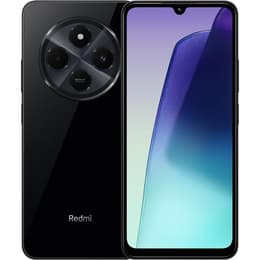


Google Pixel 7 Pro Vs Xiaomi Redmi 14C

Google Pixel 7 Pro
Google Pixel 7 Pro
Starting at

Refurbished price:201.00

Versus €640.98 new

See options
Xiaomi Redmi 14C
Xiaomi Redmi 14C
Starting at

Refurbished price:128.20

Versus €189.00 new

See options

Ratings

The Google Pixel 7 Pro, released in October 2022, and the Xiaomi Redmi 14C, launched in late 2024 or early 2025, represent distinct approaches to smartphone design and functionality. The Pixel 7 Pro is positioned as a premium device, emphasizing advanced camera capabilities and a refined software experience. In contrast, the Redmi 14C focuses on delivering essential smartphone features with a large display and extended battery life, catering to users seeking practicality. Both devices operate on the Android platform, yet they offer different user interfaces and software philosophies.

Scores

Durability

When considering the longevity of these devices, several factors come into play, including their release timelines, software support, and physical construction.

  • Release Timeline: The Google Pixel 7 Pro was introduced in October 2022, making it an older model compared to the Xiaomi Redmi 14C, which launched in late 2024 or early 2025. This difference in release dates impacts their remaining software support cycles.
  • Software Support: The Pixel 7 Pro typically receives three major Android operating system updates and five years of security updates from its release date. Given its 2022 launch, it has received Android 14, 15, and is expected to receive Android 16, with security updates continuing until October 2027. The Redmi 14C, being a newer device, is reported to offer around four years of updates, suggesting a longer period of official software support from its launch date.
  • Physical Durability: The Pixel 7 Pro features a more robust build with Gorilla Glass Victus on both the front and back, encased in an aluminum frame, and boasts an IP68 rating for dust and water resistance. User reports, however, indicate that the camera bar and overall structure can show signs of wear or flex over time, suggesting that a protective case is beneficial for long-term aesthetic and structural integrity. The Redmi 14C typically uses a plastic frame and a glass-like plastic back, with some variants offering an IP52 rating for dust and splash resistance, providing a more basic level of protection.

Year of Release

2022

2024

Compatible with latest Update

Yes

Yes

OS

Android

Android

Foldable

No

No

Performance

The performance of a smartphone is crucial for daily usability, encompassing everything from app responsiveness to handling demanding tasks.

  • Processing Power: The Google Pixel 7 Pro is equipped with a powerful current-generation processor designed for efficient handling of complex tasks and advanced artificial intelligence features. This allows for smooth navigation, rapid app loading, and capable performance in graphically intensive games. The Xiaomi Redmi 14C, on the other hand, utilizes an entry-level processor, such as the MediaTek Helio G81 or Snapdragon 4 Gen 2 in its 5G variant. This hardware is well-suited for everyday activities like web browsing, social media, and messaging applications.
  • Multitasking and Storage: The Pixel 7 Pro offers configurations with 8GB or 12GB of RAM, facilitating seamless multitasking and efficient management of numerous open applications. Its storage typically uses faster UFS technology. The Redmi 14C comes with 4GB, 6GB, or 8GB of RAM, which is adequate for general use, though heavy multitasking might lead to occasional stutters. Its storage often relies on eMMC 5.1, which is generally slower than the UFS storage found in higher-end devices.
  • Gaming and Demanding Applications: While the Pixel 7 Pro can comfortably run demanding applications and modern games with high settings, the Redmi 14C is better suited for casual gaming and less intensive applications. Users of the Redmi 14C may need to adjust graphical settings for smoother gameplay in more demanding titles.

Memory (GB)

12 GB

4 GB

Screen quality

The display is a primary interface for smartphone interaction, and both devices offer different visual experiences tailored to their respective segments.

  • Display Technology and Resolution: The Google Pixel 7 Pro features a 6.7-inch LTPO OLED display with a QHD+ resolution (1440 x 3120 pixels). This technology delivers vibrant colors, deep blacks, and sharp details, enhancing the viewing experience for high-quality content. The Xiaomi Redmi 14C sports a larger 6.88-inch IPS LCD panel with an HD+ resolution (720 x 1640 pixels). While offering ample screen real estate, the lower resolution means that text and images may appear less sharp compared to the Pixel 7 Pro.
  • Refresh Rate and Brightness: The Pixel 7 Pro boasts an adaptive refresh rate of up to 120Hz, which can dynamically scale down to 10Hz to conserve battery life, providing smooth scrolling and responsiveness. It also achieves a peak brightness of up to 1500 nits, ensuring good visibility even in bright outdoor conditions. The Redmi 14C also offers a 120Hz refresh rate, contributing to a fluid user experience, particularly during scrolling. Its peak brightness typically reaches around 600 nits, which is sufficient for indoor use but may struggle in direct sunlight.
  • Viewing Experience: The Pixel 7 Pro's OLED panel provides superior contrast and wider viewing angles. The Redmi 14C's large screen size is beneficial for media consumption and general browsing, though its LCD technology and lower resolution offer a more standard visual experience.

Resolution

1440 x 3120

720 x 1640

Screen type

LTPO AMOLED

IPS LCD

Audiovisual

Camera capabilities are a significant differentiator, with both smartphones offering distinct photographic and videographic experiences.

  • Rear Camera System: The Google Pixel 7 Pro is equipped with a versatile triple-camera system on the rear, comprising a 50MP main sensor, a 12MP ultrawide lens, and a 48MP telephoto lens with 5x optical zoom. This setup excels in capturing detailed photos with accurate colors across various lighting conditions, including strong low-light performance on the main sensor. Its telephoto lens provides impressive zoom capabilities, extending up to 30x with Super Res Zoom. The Xiaomi Redmi 14C features a dual-camera setup, with a 50MP primary sensor complemented by an auxiliary lens. This system is capable of producing appealing images in well-lit environments, offering decent contrast and sharpness for its segment.
  • Front Camera and Video Quality: For selfies, the Pixel 7 Pro includes a 10.8MP front-facing camera. It supports video recording up to 4K resolution at 60 frames per second across all its cameras, delivering high-quality footage. The Redmi 14C has a 13MP front camera. While specific video recording capabilities are less emphasized, it typically offers standard video quality for its category.
  • Audio Experience: The Pixel 7 Pro provides a stereo speaker setup, delivering clear audio with good vocal reproduction and respectable low-end frequencies, enhancing media consumption. The Redmi 14C generally features a mono speaker, which offers clear audio at decent volumes but lacks the immersive quality of a stereo setup.

Main camera

50 megapixels

50 megapixels

Front camera

10.8 megapixels

13 megapixels

Miscellaneous

Beyond core performance and display, several practical elements contribute to the overall user experience of a smartphone.

  • Connectivity and Ports: The Google Pixel 7 Pro supports 5G connectivity, Wi-Fi 6E, and Bluetooth 5.2, offering fast and reliable wireless connections. It features a USB-C 3.2 port for charging and data transfer but omits a 3.5mm headphone jack. The Xiaomi Redmi 14C supports 4G connectivity, with some variants offering 5G, along with Wi-Fi (802.11ac) and Bluetooth 5.4. It includes a USB Type-C port and retains the 3.5mm headphone jack, which can be a convenience for users with wired audio accessories.
  • Biometric Security: For security, the Pixel 7 Pro incorporates an under-display optical fingerprint sensor and offers face unlock functionality. The face unlock uses 2D image-based recognition. The Redmi 14C features a side-mounted fingerprint sensor, often integrated into the power button, and also supports face unlock.
  • Design and Handling: The Pixel 7 Pro has a premium feel with its glass and aluminum construction, weighing 212 grams. The Redmi 14C, while larger at 6.88 inches, manages its weight between 204 and 211 grams, and its plastic build contributes to a sturdy feel for its price point.

Weight

212 g

207 g

Screen size (in)

6.7

6.88

Network

5G

4G

SIM card

Physical SIM + eSIM

Dual Physical SIM

Carrier compatibility

Unlocked

Unlocked

User feedback for the Google Pixel 7 Pro frequently highlights its exceptional camera performance, smooth software experience, and the quality of its display as major strengths. Common criticisms from users often revolve around inconsistencies in battery life, potential for the device to warm up during intensive use, and concerns regarding the durability of the camera bar and overall structural integrity over time.

For the Xiaomi Redmi 14C, users generally praise its large 120Hz display, its capable camera system for its price segment, and its long-lasting battery. Points of criticism include the lower display resolution, which can result in less sharp visuals, occasional performance stutters during heavy multitasking, the presence of a mono speaker, and a potentially cluttered software experience out of the box.

Users prioritizing advanced photography features, a premium display, and a clean, high-performance Android experience will find the Google Pixel 7 Pro well-suited to their needs. Conversely, individuals seeking a large screen with a smooth refresh rate, extended battery life, and reliable essential smartphone functions for everyday use may lean towards the Xiaomi Redmi 14C. Both devices offer distinct advantages, and choosing between them depends on individual priorities and usage patterns. For those considering a more sustainable choice, both models are available as quality-assured refurbished options.


See all articles

Our recent comparisons