

Google Pixel 7 Pro Vs iPhone 13 Pro

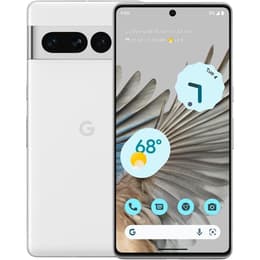
Google Pixel 7 Pro
Google Pixel 7 Pro
Starting at

Refurbished price:201.00

Versus €640.98 new

See options
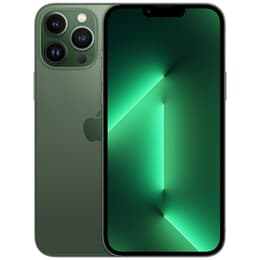
iPhone 13 Pro
iPhone 13 Pro
Starting at

Refurbished price:313.00

Versus €1,149.00 new

See options

Ratings

The Google Pixel 7 Pro, released in October 2022, and the iPhone 13 Pro, launched in September 2021, represent distinct approaches to high-end smartphone design and functionality. While both devices offer premium experiences, they cater to different user preferences through their respective operating systems and hardware philosophies. The Pixel 7 Pro emphasizes advanced computational photography and a pure Android experience, whereas the iPhone 13 Pro focuses on a cohesive ecosystem, robust performance, and refined video capabilities.

Scores

Durability

The practical lifespan of a smartphone is significantly influenced by its release timeline, software support, and repairability.

  • Release Timeline: The iPhone 13 Pro was released in September 2021, making it approximately a year older than the Google Pixel 7 Pro, which launched in October 2022. This difference in release dates impacts the remaining duration of official software support.
  • Software Longevity: The Google Pixel 7 Pro is expected to receive OS and security updates for five years from its release, extending its support until at least October 2027. The iPhone 13 Pro typically receives iOS updates for 5-7 years, with expectations for support until around 2028.
  • Repairability: The Pixel 7 Pro received repairability scores ranging from 5.5 to 7 out of 10, with screen replacements generally considered manageable, though battery and charging port repairs can be more complex due to strong adhesives and soldered components. The iPhone 13 Pro scored 5 out of 10 from iFixit, noting that while display and battery replacements are prioritized in its design, software limitations can complicate third-party screen repairs by potentially disabling features like Face ID.

Year of Release

2022

2021

Compatible with latest Update

Yes

Yes

OS

Android

iOS

Foldable

No

No

Performance

Both devices deliver capable performance for daily tasks, but their underlying architectures lead to different strengths in demanding scenarios.

  • Storage Options: The Google Pixel 7 Pro is available with 128GB, 256GB, or 512GB of internal storage. The iPhone 13 Pro offers a wider range of storage capacities, including 128GB, 256GB, 512GB, and a 1TB option.
  • Battery Behavior: The Pixel 7 Pro features a 5000 mAh battery, generally providing sufficient power for a full day of heavy use, though some users report its performance can be inconsistent compared to other flagship devices. The iPhone 13 Pro, with a 3095 mAh battery, is noted for its significantly improved battery life over previous iPhone models, often lasting a full day for many users.
  • System Responsiveness: The Pixel 7 Pro offers a responsive experience, particularly excelling in tasks that leverage its advanced artificial intelligence and machine learning capabilities. However, some users have noted instances of the device becoming warm during intensive use or graphically demanding games. The iPhone 13 Pro provides a consistently fluid and responsive user experience across applications and multitasking, maintaining high performance even with demanding apps.

Memory (GB)

12 GB

6 GB

Screen quality

The display is a primary interface for smartphone interaction, and both models offer high-quality viewing experiences with distinct characteristics.

  • Display Technology and Clarity: The Google Pixel 7 Pro features a 6.7-inch LTPO AMOLED display with a resolution of 1440 x 3120 pixels, resulting in a sharp and vibrant image. The iPhone 13 Pro comes with a 6.1-inch Super Retina XDR OLED display, offering a resolution of 2532x1170 pixels, known for its deep blacks and accurate color reproduction.
  • Brightness and Refresh Rate: The Pixel 7 Pro's screen can reach a peak brightness of 1500 nits, and it supports a 120Hz refresh rate for smooth scrolling and animations. The iPhone 13 Pro's display offers a typical maximum brightness of 1000 nits, with outdoor peak brightness up to 1200 nits, and features ProMotion technology, providing an adaptive refresh rate that scales from 10Hz to 120Hz for efficient power use and fluid visuals.
  • Viewing Experience: The larger screen of the Pixel 7 Pro provides more expansive viewing for media consumption and productivity. Some users have observed minor color shifts on the Pixel 7 Pro's display when viewed at extreme angles, and a relatively high minimum brightness level. The iPhone 13 Pro's smaller size makes it more manageable for one-handed use, while its ProMotion display enhances the overall smoothness of the user interface.

Resolution

1440 x 3120

1170 x 2532

Screen type

LTPO AMOLED

Super Retina XDR OLED

Audiovisual

Both smartphones are recognized for their advanced camera systems, though they excel in different aspects of photography and videography.

  • Camera System Capabilities: The Google Pixel 7 Pro is equipped with a versatile triple-camera setup, including a 50MP main sensor, a 48MP telephoto lens with 5x optical zoom, and a 12MP ultrawide lens. The iPhone 13 Pro features three 12MP cameras: a main wide lens, an ultrawide lens, and a telephoto lens offering 3x optical zoom.
  • Photography Performance: The Pixel 7 Pro is highly praised for its computational photography, delivering excellent still images with features like Night Sight for low-light conditions, Photo Unblur, and Super Res Zoom up to 30x. The iPhone 13 Pro also provides exceptional photography, particularly in low-light scenarios, and includes a dedicated macro mode for close-up shots.
  • Video Recording and Audio: The iPhone 13 Pro is widely regarded for its industry-leading video recording quality, offering stable and detailed footage. While the Pixel 7 Pro has improved its video capabilities, some users note that its video quality, particularly in terms of stabilization and color accuracy, still lags behind the iPhone. Both devices offer good microphone quality for calls and recordings, and stereo speakers for media consumption.

Main camera

50 megapixels

12 megapixels

Front camera

10.8 megapixels

12 megapixels

Miscellaneous

Beyond core features, several practical elements contribute to the overall user experience and device utility.

  • Connectivity and Ports: Both devices support 5G connectivity and modern Wi-Fi standards. The Google Pixel 7 Pro utilizes a USB-C port for charging and data transfer. The iPhone 13 Pro continues to use Apple's proprietary Lightning port.
  • Biometric Security: The Pixel 7 Pro includes an under-display optical fingerprint sensor and 2D face recognition for unlocking. The iPhone 13 Pro relies on its advanced Face ID system, which uses 3D facial mapping for secure authentication.
  • Build Materials and Handling: The Pixel 7 Pro features an aluminum frame with a glossy finish and a glass back, which some users find can be slippery without a case. It weighs approximately 212g. The iPhone 13 Pro incorporates a stainless steel frame, a Ceramic Shield front cover for enhanced durability, and a matte glass back. It weighs around 204g. Both devices carry an IP68 rating for dust and water resistance.

Weight

212 g

203 g

Screen size (in)

6.7

6.1

Network

5G

5G

SIM card

Physical SIM + eSIM

Physical SIM + eSIM

Carrier compatibility

Unlocked

Unlocked

The Google Pixel 7 Pro and iPhone 13 Pro each offer compelling features, appealing to different user priorities. User feedback often highlights the Pixel 7 Pro's exceptional still photography and its clean, feature-rich Android operating system as major strengths. Many appreciate its unique AI-driven functionalities and the overall responsiveness for everyday tasks. However, some users have expressed concerns regarding its video recording quality compared to competitors, and occasional reports of the device warming up during intensive use. The iPhone 13 Pro is frequently praised for its robust performance, consistently excellent video capabilities, and significantly improved battery life over previous iPhone models. Its ProMotion display is also a common highlight, providing a very smooth visual experience. Criticisms sometimes point to its proprietary Lightning port and the more restrictive nature of iOS compared to Android's customization options.

Users prioritizing a cutting-edge photography experience, particularly for stills, and a pure Android interface with smart AI features, may find the Google Pixel 7 Pro well-suited to their needs. Those who value industry-leading video recording, a highly optimized ecosystem, consistent performance, and a slightly more compact form factor might lean towards the iPhone 13 Pro. Both devices represent strong choices in the premium smartphone segment, and considering a quality-assured refurbished option for either model can be a sustainable choice for consumers.


See all articles

Our recent comparisons