

Galaxy Tab S8 (11.0", 2022) Vs iPad Air 4 (2020, A14 series)

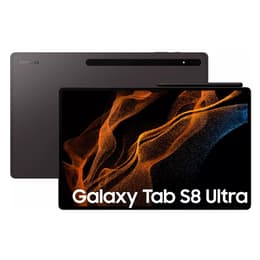
Galaxy Tab S8 (11.0", 2022)
Starting at

Refurbished price:332.00

Versus €745.19 new

See options
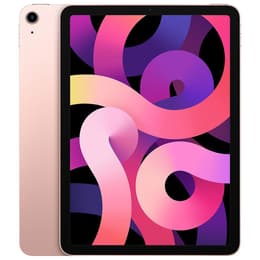
iPad Air 4 (2020, A14 series)
Starting at

Refurbished price:271.00

Versus €679.00 new

See options

Ratings

The Samsung Galaxy Tab S8, released in February 2022, and the Apple iPad Air (4th Generation), launched in October 2020, represent two distinct approaches to the tablet experience. While both devices offer powerful performance and versatile functionality, they differ significantly in their operating systems and core design philosophies. The Galaxy Tab S8 runs on Android with Samsung's One UI, emphasizing customization and multi-window capabilities, often bundled with its S Pen stylus. In contrast, the iPad Air (2020) operates on Apple's iPadOS, known for its intuitive interface and robust app ecosystem, supporting the Apple Pencil and Magic Keyboard as optional accessories. These fundamental differences cater to varying user preferences and workflows.

Scores

Durability

When considering the longevity of a tablet, software support and physical durability are key factors. Both devices offer substantial lifespans, though their release timelines place them at different points in their update cycles.

  • Software Support: The Galaxy Tab S8, released in 2022, was promised four major Android OS upgrades and five years of security updates, extending its support until approximately 2026 for OS updates and 2027 for security patches. The iPad Air (2020), having launched earlier, typically receives 5-6 years of iPadOS updates from Apple, with users reporting it still runs smoothly on recent OS versions.
  • Practical Lifespan: Users of both tablets frequently report their devices remaining highly functional for several years beyond their release. The iPad Air (2020) is noted by users for its enduring performance and continued usability even years after its launch. Similarly, the Galaxy Tab S8 is built with an aluminum frame and back, contributing to its robust feel.
  • Repairability: The Galaxy Tab S8 has a repairability score of 5.5 out of 10, indicating a moderate ease of repair. The iPad Air (2020) is generally considered repairable, with components like the battery being replaceable.

Year of Release

2022

2020

Compatible with latest Update

Yes

Yes

OS

Android

iPadOS

Performance

The performance of a tablet dictates its ability to handle demanding applications and multitasking. Both the Galaxy Tab S8 and iPad Air (2020) deliver responsive experiences, though they achieve this with different underlying architectures.

  • Processing Power: The Galaxy Tab S8 is equipped with a current-generation processor that enables smooth handling of demanding applications and efficient multitasking. The iPad Air (2020) features a powerful chip that ensures snappy performance across various tasks, from complex image editing to gaming.
  • Multitasking Capabilities: The Galaxy Tab S8 excels in multi-window management, allowing users to run multiple apps side-by-side or in pop-up views, which is beneficial for productivity. The iPad Air (2020) also offers robust multitasking with Split View, though some users note limitations in certain scenarios, such as video calls where opening a second window may pause the camera feed.
  • Memory and Storage: The Galaxy Tab S8 typically comes with 8GB of RAM, providing ample capacity for fluid app switching and heavy usage, and offers storage options of 128GB or 256GB, expandable via microSD. The iPad Air (2020) features 4GB of RAM and is available with 64GB or 256GB of internal storage, without expansion options.

Memory (GB)

8 GB

4 GB

Screen quality

The display is a primary interface for any tablet, and both the Galaxy Tab S8 and iPad Air (2020) offer high-quality viewing experiences with distinct characteristics.

  • Display Technology and Resolution: The Galaxy Tab S8 features an 11-inch TFT LCD with a resolution of 2560 x 1600 pixels, providing clear and detailed visuals. The iPad Air (2020) comes with a 10.9-inch Liquid Retina IPS LCD display, offering a resolution of 2360 x 1640 pixels at 264 pixels per inch, known for its color accuracy and clarity.
  • Refresh Rate and Brightness: The Galaxy Tab S8 boasts a 120Hz refresh rate, contributing to smoother scrolling and more fluid animations. The iPad Air (2020) has a standard 60Hz refresh rate, which is still smooth for most users and contributes to battery efficiency. The iPad Air (2020) offers a brightness of 500 nits, ensuring good visibility in various lighting conditions.
  • Viewing Experience: Both tablets provide vibrant and sharp displays suitable for media consumption, reading, and productivity. The Galaxy Tab S8's display is praised for its brightness and vividness. The iPad Air (2020) includes True Tone technology, which adjusts the display's color and intensity to match the ambient light, and an anti-reflective coating for improved outdoor usability.

Resolution

1600 x 2560

2360 x 1640

Screen type

TFT LCD

Liquid Retina display

Pixel density

280ppp

264ppp

Audiovisual

While tablets are not typically primary photography devices, their cameras are increasingly important for video calls, document scanning, and casual photography. Both the Galaxy Tab S8 and iPad Air (2020) offer capable camera systems.

  • Rear Camera System: The Galaxy Tab S8 features a dual-camera setup on the rear, including a 13MP main sensor and a 6MP ultra-wide sensor, capable of capturing detailed photos in good lighting. The iPad Air (2020) has a single 12MP wide camera on the back, which performs well in decent lighting conditions and records 4K video.
  • Front Camera and Video Calls: For video conferencing, the Galaxy Tab S8 includes a 12MP ultra-wide front-facing camera, which is centrally located for a more natural framing during landscape video calls. The iPad Air (2020) is equipped with a 7MP TrueDepth front camera, which is also well-suited for video calls and offers good low-light performance. Both tablets support 4K video recording with their main cameras.
  • Audio Experience: The Galaxy Tab S8 features quad speakers with Dolby Atmos support, providing a rich audio experience for media consumption. The iPad Air (2020) offers stereo speakers that deliver clear audio, particularly when held in landscape orientation. Both devices include quality microphones for clear audio during calls and recordings.

Miscellaneous

Beyond core performance and display, several practical features contribute to the overall user experience and versatility of a tablet.

  • Connectivity and Ports: The Galaxy Tab S8 supports Wi-Fi 6E, offering advanced wireless connectivity, and features a USB-C 3.2 port for data transfer and charging. The iPad Air (2020) includes Wi-Fi 6 and an optional 4G LTE model, along with a versatile USB-C port for charging and connecting accessories.
  • Biometric Security: The Galaxy Tab S8 integrates a fingerprint scanner into its power key for secure and convenient unlocking. The iPad Air (2020) also features Touch ID, embedded in the power button, providing reliable biometric authentication.
  • Design and Accessories: The Galaxy Tab S8 comes with the S Pen stylus included in the box, enhancing its utility for note-taking and creative tasks. It has an aluminum build and a glass front. The iPad Air (2020) supports the second-generation Apple Pencil and Apple's Magic Keyboard, which are sold separately, transforming it into a more laptop-like device. The iPad Air (2020) utilizes 100% recycled aluminum in its casing.

Weight

507 g

458 g

Screen size (in)

11.0

10.9

Network

Wi-Fi + 5G

Wi-Fi

Carrier compatibility

Unlocked

Without SIM Port

The Samsung Galaxy Tab S8 (2022) and the iPad Air (2020) both offer compelling tablet experiences, each with its own strengths that cater to different user needs. User feedback for the Galaxy Tab S8 often highlights its strong performance, vibrant display, and the included S Pen as significant advantages, particularly for those who value productivity features like DeX mode and advanced multi-window capabilities. Some users appreciate the LCD screen of the base Tab S8 for reduced eye strain compared to AMOLED panels. Criticisms are less common but sometimes touch on the Android tablet app ecosystem not always being as optimized as iPadOS for certain professional applications.

For the iPad Air (2020), common praise centers on its robust performance, sleek design, excellent screen quality, and the seamless integration with the Apple Pencil and Magic Keyboard, making it a strong contender for a portable workstation. Users frequently commend its long-term software support and overall reliability. Some users note the 60Hz refresh rate as a point of difference compared to higher-end models and mention that iPadOS multitasking, while capable, can have minor limitations in specific scenarios like video calls.

Users prioritizing a versatile device with an included stylus, extensive customization options, and expandable storage may find the Galaxy Tab S8 well-suited to their needs. Those who value a streamlined user experience, a vast ecosystem of optimized apps, and strong accessory support for creative and professional tasks might lean towards the iPad Air (2020). Both tablets offer solid battery life for a full day of use, making them suitable for students, professionals, and travelers alike. For those seeking a quality-assured refurbished option, both models are available, providing an eco-friendly alternative to purchasing new.

See all articles

Our recent comparisons