

Google Pixel 7 Pro Vs iPhone 15

Google Pixel 7 Pro
Google Pixel 7 Pro
Starting at

Refurbished price:201.00

Versus €640.98 new

See options
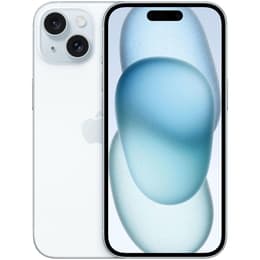
iPhone 15
iPhone 15
Starting at

Refurbished price:399.00

Versus €879.00 new

See options

Ratings

The Google Pixel 7 Pro (2022) and the iPhone 15 (2023) represent distinct approaches to the modern smartphone experience, each offering a unique blend of hardware and software. While the Pixel 7 Pro emphasizes advanced computational photography and a larger display within the Android ecosystem, the iPhone 15 focuses on a refined user experience, a powerful main camera, and seamless integration within Apple's iOS environment. Both devices aim to deliver a premium smartphone experience, but cater to different user preferences through their operating systems and core features.

Scores

Durability

When considering the practical lifespan of these devices, several factors come into play, including their release timelines, software support, and physical durability.

  • Release Timeline and Software Support: The Google Pixel 7 Pro, released in October 2022, typically receives five years of OS and security updates from its launch. The iPhone 15, launched in September 2023, is guaranteed a minimum of five years of software support, extending until at least September 2028. Historically, Apple has often provided updates beyond this stated minimum, sometimes reaching 6-7 years for major iOS versions and additional years for security patches.
  • Repairability: The iPhone 15 has seen improvements in repairability, with some assessments giving it a score of 7 out of 10, particularly after iOS 18 updates made part serialization more accessible for repairs. The Google Pixel 7 Pro generally receives a repairability score around 5.5 to 7 out of 10, with challenges noted for battery and back glass removal due to strong adhesives and some components being soldered.
  • Expected Practical Lifespan: Both devices are built with robust materials, featuring IP68 water and dust resistance. The iPhone 15 incorporates a Ceramic Shield front, while the Pixel 7 Pro uses Gorilla Glass Victus for display protection. Users can expect both phones to remain functional and receive critical updates for several years, with the iPhone potentially offering a slightly longer period of major OS updates based on past Apple trends.

Year of Release

2022

2023

Compatible with latest Update

Yes

Yes

OS

Android

iOS

Foldable

No

No

Performance

The performance of a smartphone is crucial for daily tasks, from browsing to demanding applications. Both the Pixel 7 Pro and iPhone 15 offer capable hardware designed for smooth operation.

  • Processor Capabilities: The Google Pixel 7 Pro is powered by Google's Tensor G2 processor, which is optimized for machine learning tasks and AI-driven features, contributing to efficient image processing and smart functionalities. The iPhone 15 features the A16 Bionic chip, known for its strong general processing power and graphical performance, ensuring fluid navigation and responsive handling of intensive applications and games.
  • System Responsiveness and Multitasking: The Pixel 7 Pro, typically equipped with 12GB of RAM, handles multitasking effectively, allowing users to switch between numerous apps without significant slowdowns. The iPhone 15, with 6GB of RAM, also provides a highly responsive user experience, benefiting from iOS's efficient memory management. Both devices offer ample storage options, ranging from 128GB to 512GB, to accommodate apps, photos, and media.
  • Battery Behavior: The Pixel 7 Pro houses a 5000 mAh battery, generally providing a full day of use for most users, though heavy usage or high display brightness can impact longevity. The iPhone 15 features a 3349 mAh battery, which, combined with Apple's software optimizations, also delivers reliable all-day power for typical usage, with up to 20 hours of video playback.

Memory (GB)

12 GB

6 GB

Screen quality

The display is a primary interface for any smartphone, and both models offer high-quality viewing experiences with distinct characteristics.

  • Display Technology and Resolution: The Google Pixel 7 Pro features a 6.7-inch LTPO AMOLED display with a sharp 1440x3120 pixel (QHD+) resolution, resulting in a pixel density of 512 ppi. This provides a highly detailed and immersive viewing experience. The iPhone 15 comes with a 6.1-inch Super Retina XDR OLED display, offering a resolution of 2556x1179 pixels at approximately 460 ppi, delivering vibrant colors and deep blacks.
  • Brightness and Refresh Rate: The Pixel 7 Pro's display supports a 120Hz adaptive refresh rate, allowing for smoother scrolling and more fluid animations, and can reach a peak brightness of 1500 nits. The iPhone 15 has a standard 60Hz refresh rate but boasts impressive brightness, with a typical maximum of 1000 nits and a peak outdoor brightness of up to 2000 nits, ensuring excellent visibility even in bright sunlight.
  • Viewing Experience: The larger screen of the Pixel 7 Pro offers more screen real estate for media consumption and multitasking. The iPhone 15 introduces the Dynamic Island, a dynamic area around the front camera cutout that displays alerts and background activities, enhancing user interaction.

Resolution

1440 x 3120

1179 x 2556

Screen type

LTPO AMOLED

Super Retina XDR OLED

Audiovisual

Both the Google Pixel 7 Pro and the iPhone 15 are recognized for their advanced camera systems, each excelling in different aspects of mobile photography.

  • Camera System Capabilities: The Google Pixel 7 Pro features a versatile triple-camera setup on the rear: a 50MP main sensor, a 12MP ultrawide lens with autofocus and macro capabilities, and a 48MP telephoto lens offering 5x optical zoom and up to 30x Super Res Zoom. The iPhone 15 sports a dual-camera system with a 48MP main camera that uses sensor-shift optical image stabilization and can achieve 2x telephoto-like results through sensor cropping, alongside a 12MP ultrawide camera.
  • Photography Performance: The Pixel 7 Pro is known for its computational photography, delivering consistent image quality across various lighting conditions, particularly strong in low-light and zoom scenarios. Its Macro Focus feature allows for detailed close-up shots. The iPhone 15's 48MP main sensor captures detailed photos, and its Photonic Engine enhances image quality in challenging light. It also offers next-generation portraits with improved focus and depth control.
  • Video Recording and Audio: Both devices offer high-quality video recording. The Pixel 7 Pro supports 4K video at 30/60fps with 10-bit HDR. The iPhone 15 records 4K Dolby Vision video at up to 60fps, featuring Cinematic mode for depth-of-field effects and Action mode for stabilized footage. Both phones provide clear microphone quality for calls and recordings, and stereo speakers for media consumption.

Main camera

50 megapixels

48 megapixels

Front camera

10.8 megapixels

12 megapixels

Miscellaneous

Beyond core performance and display, several practical elements contribute to the overall user experience of these smartphones.

  • Connectivity and Ports: Both the Pixel 7 Pro and iPhone 15 support 5G connectivity for fast mobile data. The Pixel 7 Pro includes Wi-Fi 6E and Bluetooth 5.2, while the iPhone 15 features Wi-Fi 6 and Bluetooth 5.3. A notable difference is the charging port: the Pixel 7 Pro uses USB-C, a universal standard, which the iPhone 15 also adopted, moving away from Apple's proprietary Lightning port.
  • Sensors and Biometrics: The Pixel 7 Pro utilizes an in-display optical fingerprint sensor for secure unlocking. The iPhone 15 relies on Face ID, Apple's facial recognition system, for biometric authentication. Both devices include a range of sensors for navigation and functionality, such as accelerometers, gyroscopes, and ambient light sensors.
  • Design and Handling: The Pixel 7 Pro measures 162.9 x 76.6 x 8.9 mm and weighs 212 grams, offering a larger form factor. It features an aluminum frame and Gorilla Glass Victus on both the front and back. The iPhone 15 is more compact at 147.6 x 71.6 x 7.8 mm and lighter at 171 grams, making it easier for one-handed use. It features an aluminum design with a Ceramic Shield front and color-infused glass back.

Weight

212 g

171 g

Screen size (in)

6.7

6.1

Network

5G

5G

SIM card

Physical SIM + eSIM

eSIM

Carrier compatibility

Unlocked

Unlocked

The Google Pixel 7 Pro and iPhone 15 each offer compelling features, appealing to different user priorities. User feedback for the Pixel 7 Pro often praises its exceptional camera capabilities, particularly its computational photography and versatile zoom, as well as its clean Android experience and smart AI features. Some users have noted that while its performance is strong for daily use, it might not always match the raw benchmark scores of some competitors, and battery life, though improved, can still be a consideration for very heavy users.

The iPhone 15 is frequently lauded for its robust and efficient performance, the significant upgrade to its main camera, and the introduction of the Dynamic Island to the standard model. Its compact size and premium build are also common points of appreciation. Initial concerns about overheating were largely addressed through software updates.

Users prioritizing a larger, high-resolution display with a high refresh rate and a highly versatile camera system, especially for zoom and macro photography, may find the Google Pixel 7 Pro well-suited to their needs. Its focus on AI-driven features and a pure Android experience also appeals to those who prefer Google's ecosystem. Conversely, users who value a more compact device, a powerful and consistently smooth performance for everyday tasks, and a strong, reliable main camera with excellent video capabilities will likely lean towards the iPhone 15. Its long-term software support and integration within the Apple ecosystem are also key decision factors.

For those considering either device, exploring quality-assured refurbished options can provide an eco-friendly alternative, extending the life cycle of these advanced smartphones.


See all articles

Our recent comparisons