

Google Pixel 7 Pro Vs iPhone 16 Pro

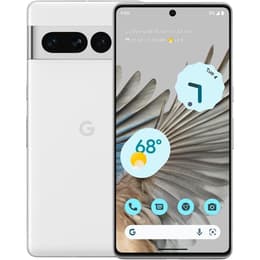
Google Pixel 7 Pro
Google Pixel 7 Pro
Starting at

Refurbished price:201.00

Versus €640.98 new

See options
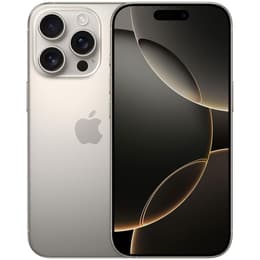
iPhone 16 Pro
iPhone 16 Pro
Starting at

Refurbished price:645.00

Versus €1,239.00 new

See options

Ratings

The Google Pixel 7 Pro, released in October 2022, and the iPhone 16 Pro, launched in September 2024, represent distinct approaches to high-end smartphone design and functionality. While both devices offer premium experiences, they cater to different user preferences through their respective operating systems and hardware philosophies. The iPhone 16 Pro, being a more recent release, incorporates newer technological advancements, particularly in its processing power and camera system, compared to the Pixel 7 Pro.

Scores

Durability

When considering the long-term usability of a smartphone, factors such as release timeline, software support, and physical resilience are important.

  • Release Timeline: The Google Pixel 7 Pro was released in October 2022, making it an older device compared to the iPhone 16 Pro, which launched in September 2024. This age difference impacts the remaining duration of software and security updates.
  • Software Longevity: The Pixel 7 Pro typically receives software updates for approximately five years from its release, with security updates also extending for a similar period. The iPhone 16 Pro, on the other hand, generally benefits from a longer software support window, often receiving major iOS updates for six to seven years from its launch. This extended support can be a significant factor for users planning to keep their device for many years.
  • Physical Durability: Both devices feature robust builds. The Pixel 7 Pro includes Gorilla Glass Victus for screen protection and an IP68 rating for dust and water resistance, allowing submersion up to 1.5 meters for 30 minutes. The iPhone 16 Pro also boasts an IP68 rating, but for a maximum depth of 6 meters for 30 minutes, and features a Ceramic Shield front cover along with a durable titanium frame.

Year of Release

2022

2024

Compatible with latest Update

Yes

Yes

Foldable

No

No

Performance

The performance of a smartphone is largely determined by its internal components, influencing how smoothly applications run and how efficiently tasks are handled.

  • Processing Capabilities: The Google Pixel 7 Pro is powered by the Google Tensor G2 chip, which provides capable performance for everyday applications, multitasking, and moderate gaming. The iPhone 16 Pro, featuring the Apple A18 Pro chip, offers a more advanced and powerful processing experience. This newer chip significantly enhances performance, particularly for demanding applications, intensive gaming, and complex AI-related tasks.
  • Multitasking and Storage: The Pixel 7 Pro comes with 12GB of RAM, facilitating smooth multitasking across various applications. The iPhone 16 Pro is equipped with 8GB of RAM, which, combined with its optimized operating system, also provides a fluid multitasking experience. Both devices offer a range of internal storage options, typically starting from 128GB and extending to higher capacities, allowing users to choose based on their storage needs.
  • Battery Behavior: The Pixel 7 Pro houses a 5000 mAh battery, generally providing a full day of use for many users. The iPhone 16 Pro, while having a smaller battery capacity, is designed for efficient power consumption, with users often reporting good battery longevity that can last through a typical day.

Memory (GB)

12 GB

8 GB

Screen quality

The display is a primary interface for smartphone interaction, and both devices offer high-quality viewing experiences with distinct characteristics.

  • Display Technology and Resolution: The Google Pixel 7 Pro features a 6.7-inch LTPO AMOLED display with a Quad HD+ resolution of 1440 x 3120 pixels, resulting in a pixel density of 512 ppi. The iPhone 16 Pro comes with a 6.3-inch Super Retina XDR OLED display, offering a resolution of 2622 x 1206 pixels and a pixel density of 460 ppi. Both displays deliver vibrant colors and deep blacks, characteristic of OLED technology.
  • Brightness and Refresh Rate: Both phones feature adaptive refresh rates up to 120Hz, providing smooth scrolling and responsive interactions. The Pixel 7 Pro can reach a peak brightness of up to 1500 nits, with some measurements showing up to 1620 nits in specific conditions. The iPhone 16 Pro offers a typical brightness of 1000 nits and can achieve a peak brightness of 2000 nits, making it highly visible in bright outdoor environments.
  • Design and Viewing Experience: The iPhone 16 Pro features thinner display borders, contributing to a more expansive viewing area. Both devices offer an always-on display feature, allowing users to see essential information at a glance.

Resolution

1440 x 3120

1206 x 2622

Screen type

LTPO AMOLED

LTPO Super Retina XDR OLED

Audiovisual

Both the Google Pixel 7 Pro and the iPhone 16 Pro are recognized for their advanced camera systems, each excelling in different aspects of mobile photography and videography.

  • Rear Camera Systems: The Pixel 7 Pro features a triple camera setup with a 50MP main sensor, a 12MP ultrawide lens with autofocus and Macro Focus capabilities, and a 48MP telephoto lens offering 5x optical zoom and up to 30x Super Res Zoom. The iPhone 16 Pro also has a versatile triple camera system, including a 48MP wide (Fusion) camera, a 48MP ultrawide camera optimized for low-light and macro shots, and a 12MP telephoto lens with 5x optical zoom.
  • Photography Features: The Pixel 7 Pro is known for its computational photography, offering features like Cinematic Blur, Magic Eraser, Night Sight, and Real Tone for enhanced image processing. The iPhone 16 Pro introduces a new Camera Control button for quick access to camera functions and improved audio recording features. Its 48MP ultrawide sensor also significantly improves macro photography.
  • Video Capabilities: The Pixel 7 Pro supports video recording up to 4K at 60 frames per second across all its cameras. The iPhone 16 Pro elevates video recording with support for 4K at 120 frames per second, including ProRes Log and Dolby Vision HDR, offering advanced options for videographers. Both devices include high-resolution front-facing cameras for selfies and video calls.

Main camera

50 megapixels

48 megapixels

Front camera

10.8 megapixels

12 megapixels

Miscellaneous

Beyond core performance and camera, several practical elements contribute to the overall user experience of these smartphones.

  • Connectivity and Ports: The Google Pixel 7 Pro supports 5G, Wi-Fi 6E, and Bluetooth 5.2, and features a USB-C port for charging and data transfer. The iPhone 16 Pro also offers 5G connectivity and features a USB-C port with USB 3 speeds, allowing for faster data transfer up to 10Gb/s. It further distinguishes itself with support for the newer Wi-Fi 7 standard and Bluetooth 5.3.
  • Biometric Security and Sensors: The Pixel 7 Pro includes both an in-display fingerprint sensor and Face Unlock for secure access. The iPhone 16 Pro relies on its advanced Face ID system for biometric authentication. Both devices incorporate a range of sensors for various functionalities, enhancing user interaction and app capabilities.
  • Physical Characteristics: The Pixel 7 Pro measures 162.9 x 76.6 x 8.9 mm and weighs 212 grams. The iPhone 16 Pro is slightly more compact and lighter, with dimensions of 149.6 x 71.5 x 8.25 mm and a weight of 199 grams. The iPhone 16 Pro also features an Action button, offering customizable shortcuts for various functions.

Weight

212 g

199 g

Screen size (in)

6.7

6.3

Network

5G

5G

SIM card

Physical SIM + eSIM

eSIM

Carrier compatibility

Unlocked

Unlocked

User feedback for the Google Pixel 7 Pro often highlights its exceptional camera capabilities, particularly its computational photography features like Night Sight and Magic Eraser, which are frequently praised for delivering impressive results. Users also appreciate its vibrant display and the clean Android experience. Common criticisms sometimes point to the Tensor G2 chip's performance being less powerful than contemporary flagship processors, and some users have noted battery life could be improved under heavy usage. The curved display edges have also been a point of discussion for some, with preferences varying.

For the iPhone 16 Pro, users frequently commend its powerful and efficient processor, the Apple A18 Pro, which ensures smooth performance across all tasks, including demanding games and applications. The upgraded camera system, especially the new 48MP ultrawide and 4K120fps video recording, receives significant positive attention. The device's premium build quality, including the titanium frame and Ceramic Shield, is also a consistent praise point. Some users might find the iOS ecosystem to be a more restrictive environment compared to Android's open nature.

Users prioritizing advanced camera features, particularly computational photography and a pure Android experience, may find the Google Pixel 7 Pro well-suited to their needs. Its display quality and overall software experience remain strong points. Conversely, users who prioritize cutting-edge processing power, a longer software support window, and advanced video recording capabilities will likely lean towards the iPhone 16 Pro. Its robust build and integrated ecosystem also appeal to those seeking a cohesive user experience.

Both devices offer compelling features, and choosing between them often comes down to individual priorities regarding operating system preference, performance demands, and specific camera functionalities. Exploring quality-assured refurbished options for either model can provide an eco-friendly alternative for consumers.


See all articles

Our recent comparisons