
Compare models
Galaxy Z Fold7 Vs Xiaomi Redmi Note 14 Pro
- 1-year minimum warranty
- Free delivery on all orders
- Free 30-day returns
Differences at a glance
The Samsung Galaxy Z Fold7 (2025) and the Xiaomi Redmi Note 14 Pro (2025) represent two distinct approaches to modern smartphone engineering, contrasting a cutting-edge foldable flagship with a traditional mid-range slab device. While both run on the Android operating system, they target entirely different form-factor preferences and daily usage styles. The primary differentiators between these two models lie in their physical structure, processing capabilities, and target user profiles.
Available Models
Colour
Storage
Scores
Durability
When examining longevity and structural upkeep, these two devices approach physical and software durability through contrasting engineering frameworks.
- Software Support Window: The Galaxy Z Fold7 benefits from an extensive multi-year update commitment, whereas the Redmi Note 14 Pro features a more standard software lifecycle matching typical mid-range release schedules.
- Build and Mechanical Wear: The foldable architecture of the Samsung model requires mindful handling of its flexible inner panel over years of service, compared to the rigid, unified glass-and-frame construction of the Xiaomi alternative.
- Expected Lifespan: Both devices maintain strong operational health for daily tasks over typical upgrade cycles, though flagship internal components give the foldable model a longer performance buffer for demanding future software.
Year of Release
2025
2025
OS
Android
iOS
Foldable
Yes
No
Performance
System responsiveness and everyday utility vary significantly due to the differing tiers of internal hardware packed into each chassis.
- Multitasking and App Speed: The Galaxy Z Fold7 handles heavy 3D gaming, complex split-screen workflows, and intensive productivity apps without stuttering, while the Redmi Note 14 Pro manages everyday messaging, social media scrolling, and standard video streaming smoothly.
- Storage and Memory Configurations: Samsung offers expansive storage tiers starting at higher capacities alongside abundant memory for heavy workflows, whereas Xiaomi provides balanced configurations suited for media storage and standard application needs.
- Battery Behavior: The Xiaomi model comfortably sustains a full day of mixed usage thanks to its efficiency, while the dual-screen setup on the Samsung device draws more power under heavy usage of the expansive inner display.
Screen quality
Visual delivery is a defining characteristic for both handsets, though they utilize completely different display methodologies.
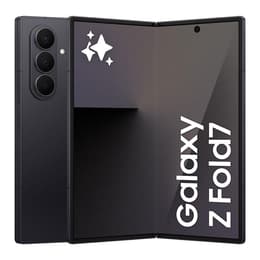
- Display Format: The Galaxy Z Fold7 features a dual-screen design with a conventional cover panel and an 8.0-inch tablet-sized foldable inner screen, contrasted by the single, rigid 6.67-inch AMOLED panel found on the Redmi Note 14 Pro.
- Outdoor Visibility: Both devices incorporate high peak brightness metrics to maintain clear legibility under bright sunlight, utilizing adaptive contrast features.
- Refresh Rate and Fluidity: High refresh rate support ensures smooth scrolling through web pages and fluid animation transitions across both device interfaces.
Resolution
1968x2184
1080 x 2400
Audiovisual
Optics and media playback hardware differ to match the distinct device categories and intended use cases.
- Photography Systems: The Galaxy Z Fold7 utilizes a high-resolution main sensor accompanied by versatile zoom and ultra-wide lenses, while the Redmi Note 14 Pro equips a reliable multi-lens setup tailored for crisp everyday snapshots and casual low-light photography.
- Video and Audio Output: Samsung supports detailed high-resolution video capture alongside robust stereo speakers, matching Xiaomi's capable media playback performance for streaming video and listening to music.
- Call Clarity: Integrated microphone arrays on both models filter background noise effectively during voice calls and virtual meetings.
Miscellaneous
Physical dimensions and connectivity options dictate how each phone integrates into daily routines and travel setups.
- Connectivity Standards: Both options support 5G networks, modern Wi-Fi protocols, and fast Bluetooth pairing for accessories.
- Physical Dimensions: The Redmi Note 14 Pro maintains a thin, lightweight slab profile, whereas the Galaxy Z Fold7 offers a remarkably slim folding body that transforms from a standard phone width into a compact digital workspace.
- Security and Ports: Each handset relies on rapid biometric authentication methods—such as display-integrated or side-mounted fingerprint scanners—alongside standard modern USB-C connection ports.
Weight
215 g
180 g
Screen size (in)
8.0
6.67
Network
5G
4G
SIM card
Dual Physical SIM + eSIM
Dual Physical SIM
Carrier compatibility
Unlocked
Unlocked
What the community thinks
Online community discussions indicate that users of the Galaxy Z Fold7 frequently praise its expansive inner workspace, slimmer folded profile, and top-tier processing power. Some users note that foldable maintenance requires care and that battery life drops during heavy inner-screen multitasking. Meanwhile, owners of the Xiaomi Redmi Note 14 Pro highlight its reliable day-to-day stamina, bright display quality, and practical handling, though occasional software stutter during intensive tasks is mentioned in extended user reviews.
Users prioritizing maximum screen estate for multitasking, document editing, and advanced gaming will find the Galaxy Z Fold7 well-suited to their workflow. Conversely, users prioritizing a lightweight traditional slab form factor, straightforward handling, and reliable everyday efficiency may lean toward the Xiaomi Redmi Note 14 Pro. For those seeking an eco-friendly alternative, opting for a quality-assured refurbished option provides a sustainable pathway to experiencing advanced mobile technology.