

Galaxy S20+ 5G Vs iPhone X

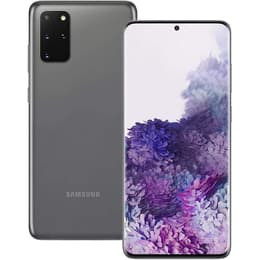
Galaxy S20+ 5G
Galaxy S20+ 5G
Starting at

Refurbished price:191.00

Versus €590.00 new

See options
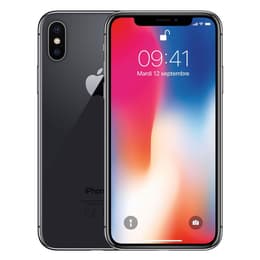
iPhone X
iPhone X
Starting at

Refurbished price:130.00

Versus €439.00 new

See options

Ratings

The Samsung Galaxy S20 Plus 5G (2020) and the iPhone X (2017) represent different eras and ecosystems within the smartphone landscape. While both devices offered premium experiences at their respective launches, they diverge significantly in their operating systems, design philosophies, and hardware capabilities. The Galaxy S20 Plus 5G operates on Android, emphasizing customization and advanced camera features, whereas the iPhone X runs iOS, focusing on a streamlined user experience and robust security.

Scores

Durability

The practical lifespan of a smartphone is influenced by its initial release, ongoing software support, and physical resilience.

  • Release Timeline: The iPhone X was released in November 2017, making it an older device compared to the Samsung Galaxy S20 Plus 5G, which launched in March 2020. This age difference impacts their current and future software support.
  • Software Longevity: The iPhone X originally shipped with iOS 11 and officially supports updates up to iOS 16.7.15, released in March 2026, but does not support iOS 17 or higher. The Galaxy S20 Plus 5G launched with Android 10 and received updates up to Android 13 (One UI 5.1), with security patches continuing for some time. This means the Galaxy S20 Plus 5G benefits from more recent software features and security updates.
  • Build and Durability: Both devices feature glass front and back panels with metal frames. The iPhone X uses a surgical-grade stainless steel band and was marketed with durable glass, though early drop tests indicated susceptibility to cracking. The Galaxy S20 Plus 5G features Corning Gorilla Glass 6 on both the front and back, paired with an aluminum frame. Both phones carry an IP rating for dust and water resistance, with the iPhone X rated IP67 and the Galaxy S20 Plus 5G rated IP68, offering slightly better protection against submersion.

Year of Release

2020

2017

Compatible with latest Update

No

No

OS

Android

iOS

Foldable

No

No

Performance

Performance in daily use is determined by the internal processing power, memory, and battery efficiency.

  • Processing Power: The Galaxy S20 Plus 5G is equipped with a more recent-generation processor (Exynos 990 or Snapdragon 865 depending on region), which allows it to handle demanding applications and multitasking smoothly. Users have reported that this device can manage various tasks effectively. The iPhone X, powered by an earlier-generation chip, still performs surprisingly well for general tasks like browsing, messaging, and social media, though some users have noted occasional lag with certain apps or when the battery health degrades.
  • Multitasking and Storage: The Galaxy S20 Plus 5G typically comes with 12GB of RAM, providing ample capacity for extensive multitasking and running multiple applications simultaneously without slowdowns. It offers storage options up to 512GB and includes a microSDXC slot for expandable storage. The iPhone X features 3GB of RAM and is available with 64GB or 256GB of internal storage, without expandable options.
  • Battery Performance: The Galaxy S20 Plus 5G houses a 4500mAh battery, with users reporting up to 6 hours of screen-on time. It supports 25W wired fast charging, 15W wireless charging, and 4.5W reverse wireless charging. The iPhone X has a 2716mAh battery and supports fast charging to 50% in 30 minutes, along with wireless charging. Initial reviews described the iPhone X's battery life as decent but not exceptional, with some users needing to recharge by midday, especially with an older battery.

Memory (GB)

8 GB

3 GB

Screen quality

The display is a primary interface for user interaction, with technology, resolution, and refresh rate contributing to the visual experience.

  • Display Technology and Resolution: Both devices feature OLED displays, known for deep blacks and vibrant colors. The iPhone X has a 5.8-inch Super Retina HD OLED display with a resolution of 2436x1125 pixels, resulting in 458 pixels per inch (ppi). The Galaxy S20 Plus 5G offers a larger 6.7-inch Dynamic AMOLED 2X display with a higher resolution of 1440x3200 pixels, yielding approximately 525 ppi.
  • Brightness and Clarity: The iPhone X's display offers a typical maximum brightness of 625 nits and supports HDR, True Tone, and a wide color gamut (P3). The Galaxy S20 Plus 5G also supports HDR10+ and provides excellent clarity, particularly with its higher resolution.
  • Refresh Rate: A key differentiator is the refresh rate. The Galaxy S20 Plus 5G features a 120Hz refresh rate option (at FHD resolution), which provides a smoother scrolling and animation experience compared to the iPhone X's standard 60Hz refresh rate. While the iPhone X has a 120Hz touch sampling rate, its display refresh rate remains 60Hz.

Resolution

1440 x 3200

1125 x 2436

Screen type

Dynamic AMOLED 2X

Super Retina OLED

Audiovisual

Camera systems are crucial for capturing memories and communicating visually, with differences in sensor count, resolution, and video capabilities.

  • Rear Camera System: The iPhone X features a dual 12MP rear camera setup, consisting of a wide-angle lens (f/1.8) and a telephoto lens (f/2.4) with 2x optical zoom, both with optical image stabilization (OIS). It supports Portrait mode and Portrait Lighting. The Galaxy S20 Plus 5G boasts a more versatile quad-camera system: a 12MP wide-angle (f/1.8), a 64MP telephoto (f/2.0) with 3x hybrid optical zoom, a 12MP ultrawide (f/2.2), and a 0.3MP DepthVision camera for enhanced depth sensing.
  • Photography Features: The Galaxy S20 Plus 5G's higher megapixel count on its telephoto lens allows for greater detail retention, especially when cropping. Both devices offer features like panorama and HDR.
  • Video Recording: The Galaxy S20 Plus 5G can record video at up to 8K resolution at 24 frames per second (fps), and 4K at 30 or 60 fps. The iPhone X records 4K video at 24, 30, or 60 fps, and 1080p video at up to 240 fps for slow-motion effects.
  • Front Camera: The iPhone X has a 7MP TrueDepth front camera that enables Face ID, Portrait mode, and Animoji, and records 1080p HD video. The Galaxy S20 Plus 5G features a 10MP front camera.

Main camera

12 megapixels

12 megapixels

Front camera

10 megapixels

7 megapixels

Miscellaneous

Beyond core features, practical elements like connectivity, ports, and biometric security contribute to the overall user experience.

  • Connectivity: A significant difference is network capability; the Galaxy S20 Plus 5G supports 5G connectivity, offering faster mobile data speeds where available, along with Wi-Fi 6 (802.11ax) and Bluetooth 5.0. The iPhone X is limited to 4G LTE and supports Wi-Fi 5 (802.11ac) and Bluetooth 5.0.
  • Ports and Biometrics: Both devices have moved away from the traditional 3.5mm headphone jack. The iPhone X uses Apple's proprietary Lightning port, while the Galaxy S20 Plus 5G features a USB-C port, a more universal standard. For biometric security, the iPhone X relies exclusively on Face ID for facial recognition. The Galaxy S20 Plus 5G offers an in-display fingerprint sensor in addition to face unlock.
  • Design and Handling: The iPhone X is more compact and lighter, measuring 143.6 x 70.9 x 7.7 mm and weighing 174 grams. The Galaxy S20 Plus 5G is a larger device at 161.9 x 73.7 x 7.8 mm and weighs 188 grams. The iPhone X introduced a gesture-based navigation system due to the removal of the home button.

Weight

188 g

174 g

Screen size (in)

6.7

5.8

Network

5G

4G

SIM card

Physical SIM + eSIM

Physical SIM

Carrier compatibility

Unlocked

Unlocked

Connector

USB-C

Lightning

User sentiment for the iPhone X often highlights its groundbreaking design at launch, including the introduction of Face ID and the all-screen display, which users found intuitive and secure. Common criticisms, particularly in later years, revolve around its battery life, which some users found insufficient for heavy use, and the eventual cessation of major iOS updates. Users appreciate its build quality, with some noting it feels well-made even years after release.

For the Galaxy S20 Plus 5G, users generally praise its versatile camera system, vibrant display with a high refresh rate, and robust performance for demanding tasks. Its 5G capability was a significant advantage at its release. Potential concerns might include the battery life for very heavy users, though many find it adequate. The availability of expandable storage is a consistent positive for many Android users.

Users prioritizing a compact device with a highly optimized software experience and strong long-term build quality may find the iPhone X appealing, especially if their usage is moderate and they are comfortable with an older operating system version. Conversely, users who require the latest connectivity standards, a larger and smoother display, a more versatile camera array, and expandable storage will likely find the Galaxy S20 Plus 5G better suited to their needs. Both devices offer a quality-assured refurbished option, providing an eco-friendly alternative for those seeking reliable technology.


See all articles

Our recent comparisons