
Compare models

Galaxy Z Fold7 Vs iPhone 16 Pro

  • 1-year minimum warranty
  • Free delivery on all orders
  • Free 30-day returns
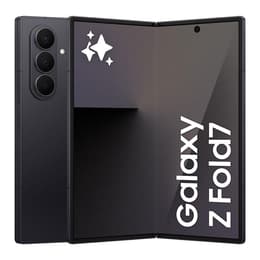
Galaxy Z Fold7
Starting at

Refurbished price:€904.00

Versus €2,236.37 new

See options
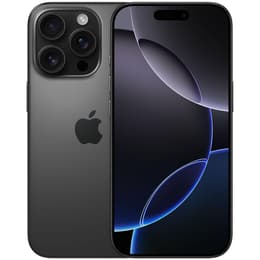
iPhone 16 Pro
Starting at

Refurbished price:€669.00

Versus €1,239.00 new

See options

Differences at a glance

The Samsung Galaxy Z Fold7 (2025) and the Apple iPhone 16 Pro (2024) represent two distinct approaches to high-end mobile technology, balancing multi-screen versatility with compact flagship engineering. While the Galaxy Z Fold7 features an innovative book-style folding design with expansive dual displays, the iPhone 16 Pro focuses on a traditional slate form factor built around optimized hand-held ergonomics. Operating on Android and iOS respectively, these devices serve very different daily interactions while offering top-tier processing power and comprehensive connectivity.

Available Models

Colour

Storage (GB)

Scores

Durability

Both devices are built for long-term daily use, though their mechanical designs and software lifecycles introduce different practical considerations for long-term ownership.

  • Software Support and Longevity: The Galaxy Z Fold7 includes multi-year operating system upgrades typical of modern Android flagships, while the iPhone 16 Pro benefits from Apple's long-established history of extended iOS updates. Both platforms ensure several years of security patches and feature support.
  • Hardware Durability: The iPhone 16 Pro relies on a single rigid body with titanium and ceramic-shield glass protection, minimizing mechanical wear points. In contrast, the Galaxy Z Fold7 utilizes a complex folding hinge mechanism and flexible internal screen that require careful handling over years of frequent opening and closing.
  • Repairability and Lifespan: Traditional slate devices like the iPhone generally present simpler repair pathways for screen replacements, whereas foldable displays demand specialized maintenance. Choosing a quality-assured refurbished option provides a sustainable way to extend device lifecycles while reducing electronic waste.

Year of Release

2025

2024

Compatible with latest Update

Yes

Yes

Foldable

Yes

No

Performance

Equipped with current-generation hardware, both smartphones handle demanding workflows, heavy multitasking, and intensive gaming without noticeable slowdowns.

  • Multitasking and App Responsiveness: The Galaxy Z Fold7 utilizes generous baseline memory configurations that allow multiple applications to remain active simultaneously on its large screen layout, while the iPhone 16 Pro manages background processes efficiently through tight software and hardware integration.
  • Storage and Capacity: Both models offer scalable storage tiers starting from ample baseline capacities, accommodating large media libraries and heavy application caches without requiring external expansion cards.
  • Battery Behavior: The iPhone 16 Pro delivers consistent all-day power efficiency under standard mixed usage. The Galaxy Z Fold7 manages a larger total screen surface area, meaning intensive multi-window use on the inner display draws more power and may require more frequent charging intervals.

Screen quality

The viewing experiences differ fundamentally based on form factor, offering unique advantages depending on whether users prefer pocket-friendly compactness or tablet-sized canvas space.

  • Display Technology and Layout: The iPhone 16 Pro features a bright, rigid OLED panel optimized for single-handed viewing. The Galaxy Z Fold7 deploys a dual-screen setup with an outer cover display for quick interactions and a massive 8-inch inner folding OLED panel for immersive media and productivity.
  • Visual Clarity and Refresh Rates: Both devices support high refresh rates ensuring smooth scrolling, responsive touch tracking, and sharp resolutions that render text and high-definition video with crisp detail.
  • Outdoor Usability: High peak brightness levels on both screens ensure content remains legible under direct sunlight, though reflective glare management varies slightly between traditional glass and flexible foldable polymer layers.

Resolution

1968x2184

1206 x 2622

Audiovisual

Imaging capabilities on both smartphones cater to diverse photography styles, spanning everyday snapshots, detailed low-light captures, and high-resolution video recording.

  • Sensor Versatility: The iPhone 16 Pro employs a balanced multi-lens rear array paired with intuitive physical camera control shortcuts for rapid shooting. The Galaxy Z Fold7 features a high-resolution primary sensor alongside ultra-wide and telephoto options, offering flexible framing aided by the foldable body's ability to prop itself up at various angles.
  • Video and Audio Capture: Apple devices maintain a strong reputation for smooth video stabilization and cinematic color grading, matched by clear multi-microphone arrays. Samsung counters with advanced manual pro-video controls and crisp audio zoom features.
  • Media Consumption: Stereo speakers on both models deliver clear sound output for casual video viewing and voice calls, though the larger acoustic chamber of a traditional slate phone sometimes yields slightly deeper audio resonance than ultra-thin foldable chassis designs.

Miscellaneous

Physical dimensions, connectivity standards, and daily handling characteristics highlight the divergence in structural design philosophy between the two flagships.

  • Dimensions and Handling: The iPhone 16 Pro feels compact and balanced in one hand, fitting easily into standard pockets. The Galaxy Z Fold7 is notably thinner than previous generations when closed, but opens into a wider, heavier profile that functions like a small tablet.
  • Connectivity and Ports: Both models support universal USB-C charging standards, fast Wi-Fi protocols, and global 5G cellular bands for reliable high-speed data access.
  • Authentication and Security: Apple relies on secure facial recognition sensors embedded in the display cutout, while Samsung incorporates a responsive physical fingerprint scanner integrated directly into the side power button.

Weight

215 g

199 g

Screen size (in)

8.0

6.3

Network

5G

5G

SIM card

Dual Physical SIM + eSIM

eSIM

Carrier compatibility

Unlocked

Unlocked

Connector

USB-C (USB 3)

USB-C (USB 3)

What the community thinks

User discussions across public technology forums frequently highlight the Apple iPhone 16 Pro for its refined ergonomics, reliable all-day energy management, and seamless ecosystem integration. Common praise centers on its robust titanium build and straightforward reliability, while some users note that its traditional screen size limits multi-window productivity. Conversely, community feedback for the Samsung Galaxy Z Fold7 centers heavily on its transformative dual-screen workspace, praising the expanded canvas for reading, note-taking, and multitasking, though discussions occasionally mention the higher physical weight and careful handling required for the folding display.

Users prioritizing a pocket-friendly device with streamlined one-handed operation and consistent media recording will find the iPhone 16 Pro well-suited to their needs. Meanwhile, users prioritizing a versatile multi-tasking workspace, expansive viewing areas, and split-screen flexibility will lean toward the Galaxy Z Fold7. Choosing an eco-friendly refurbished option across either model lineup provides a quality-assured, sustainable path to owning high-end technology without compromising on modern performance standards.