

Compare models
Galaxy Z Fold6 Vs iPhone 17e
- 1-year minimum warranty
- Free delivery on all orders
- Free 30-day returns
Differences at a glance
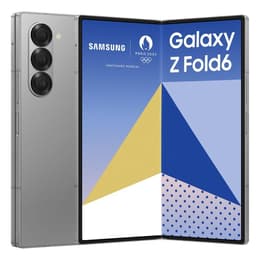
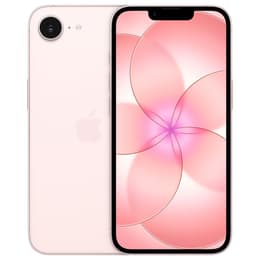
The Samsung Galaxy Z Fold6 (2024) and the Apple iPhone 17e (2026) represent two entirely different mobile philosophies, contrasting a multitasking foldable format with a streamlined single-screen smartphone design. While the Galaxy Z Fold6 utilizes an expansive dual-screen setup running Android, the iPhone 17e provides a conventional candy-bar form factor operating on iOS. Choosing between them depends on whether your priority lies in multitasking flexibility or everyday simplicity.
Available Models
Colour
Storage (GB)
Scores
Durability
Both devices are built to remain relevant for years, though their hardware structures and software lifecycles differ significantly based on their respective release years.
- Software Support Timeline: The iPhone 17e benefits from a later release window, ensuring extended software updates and security patches well into the next decade. The Galaxy Z Fold6 follows a multi-year update schedule typical of modern Android flagships.
- Hardware Durability: The iPhone 17e relies on a rigid slab design with advanced scratch-resistant glass, minimizing mechanical moving parts. Conversely, the Galaxy Z Fold6 features a complex hinge mechanism and a flexible inner screen that require careful handling over extended everyday use.
- Repairability Outlook: Traditional smartphones like the iPhone 17e generally present simpler paths for component replacements, whereas foldable devices involve intricate screen assemblies that can complicate long-term maintenance.
Year of Release
2024
2026
OS
Android
iOS
Foldable
Yes
No
Performance
System responsiveness across both models handles demanding software smoothly, though storage tiers and battery usage patterns vary according to their internal architecture.
- Multitasking Handling: The Galaxy Z Fold6 features ample memory capacity to keep multiple split-screen applications active simultaneously. The iPhone 17e manages background tasks and app transitions efficiently through its tightly integrated operating system.
- Battery Behavior: The Galaxy Z Fold6 manages two separate displays, which can lead to higher power consumption during extended use of the inner screen. The iPhone 17e leverages a single, power-efficient display panel to sustain typical usage throughout a full day.
- Storage Configuration: Both models offer generous baseline storage capacities, accommodating large media libraries and offline applications without frequent data management.
Screen quality
Display technology represents the most striking point of divergence between these two devices, directly shaping visual consumption and daily interaction.
- Display Format: The Galaxy Z Fold6 deploys a compact outer screen alongside an expansive 7.6-inch inner folding display, turning into a tablet-sized canvas. The iPhone 17e utilizes a traditional 6.1-inch OLED panel optimized for single-handed use.
- Visual Clarity: Both devices deliver sharp text reproduction and vivid color reproduction, though the foldable screen on the Samsung device features a subtle crease along the folding axis.
- Outdoor Visibility: High peak brightness levels on both screens ensure that text and media remain legible under direct sunlight or bright outdoor conditions.
Resolution
1856 x 2160
2532 x 1170
Audiovisual
Optics and media playback capabilities cater to different photography habits and content consumption preferences.
- Lens Versatility: The Galaxy Z Fold6 incorporates a triple-lens rear array featuring a main sensor, an ultra-wide lens, and a telephoto lens with optical zoom. The iPhone 17e equips a single high-resolution primary camera lens focused on everyday capture without dedicated secondary focal lengths.
- Video and Audio Output: Both models record crisp high-definition video with effective stabilization, accompanied by stereo speakers that deliver clear audio for calls and media playback.
- Low-Light Capture: Image processing software on both devices brightens dark scenes effectively, though the multi-lens setup on the foldable model offers greater framing flexibility.
Front camera
4 megapixels
12 megapixels
Miscellaneous
Practical everyday features, physical dimensions, and connectivity standards dictate how each device fits into travel and professional routines.
- Handling and Weight: The iPhone 17e is lightweight and slim, fitting easily into pockets and small bags. The Galaxy Z Fold6 is heavier and thicker when folded, reflecting its dual-screen engineering.
- Connectivity and Ports: Both devices support modern 5G networks, fast Wi-Fi standards, and reliable Bluetooth connectivity, utilizing reversible charging and data ports.
- Biometric Security: The Galaxy Z Fold6 uses a side-mounted fingerprint sensor integrated into the power button, while the iPhone 17e relies on facial recognition technology.
Weight
239 g
169 g
Screen size (in)
7.6
6.1
Network
5G
5G
SIM card
Dual Physical SIM + eSIM
eSIM
Carrier compatibility
Unlocked
Unlocked
What the community thinks
User feedback highlights distinct preferences for each device across community discussions. Owners of the Galaxy Z Fold6 frequently praise the expansive inner screen for productivity, reading, and split-screen multitasking, though some note that the narrower outer screen takes time to get used to for typing. Meanwhile, iPhone 17e users appreciate the dependable battery longevity, lightweight feel, and straightforward camera system, while occasional critics mention the absence of secondary zoom lenses. For those exploring sustainable tech habits, a quality-assured refurbished option provides an eco-friendly alternative to purchasing newly manufactured hardware.
Users prioritizing maximum screen workspace, split-screen productivity, and versatile camera zoom will find the Galaxy Z Fold6 well-suited to their daily routines. Conversely, users who prefer a lightweight, traditional phone format with straightforward operation and extended software longevity will lean toward the iPhone 17e. Evaluating these core format differences helps clarify which device aligns best with your personal workflow.