

Compare models
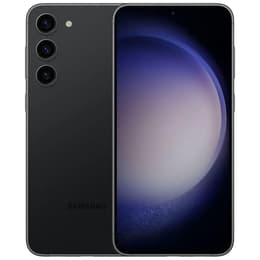
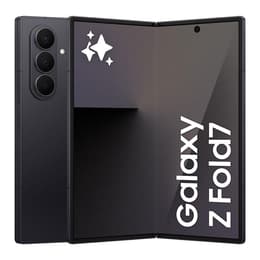
Galaxy S23+ Vs Galaxy Z Fold7
- 1-year minimum warranty
- Free delivery on all orders
- Free 30-day returns
Differences at a glance
The Samsung Galaxy S23+ (2023) and the Samsung Galaxy Z Fold7 (2025) represent two distinct philosophies within high-end mobile engineering: a traditional slate flagship focused on streamlined durability and a book-style foldable designed for expansive workspace versatility. While both devices run on the Android operating system with Samsung's custom interface, they target entirely different structural and ergonomic preferences.
This comparison explores their practical differences across daily use, hardware capability, and hardware formats to help consumers evaluate which setup aligns with their specific requirements.
Available Models
Colour
Storage
Scores
Durability
When examining longevity, these devices span different release generations, resulting in distinct software support windows and structural considerations.
- Release timeline and age: The Galaxy S23+ launched in early 2023, whereas the Galaxy Z Fold7 debuted in mid-2025, placing them on different points of the current technology cycle.
- Software support duration: The newer foldable model benefits from an extended software update commitment spanning several major operating system upgrades, while the Galaxy S23+ operates further along its official update schedule.
- Structural resilience: The Galaxy S23+ relies on a solid slate body with standard glass and aluminum reinforcement, whereas the Galaxy Z Fold7 incorporates a complex folding hinge mechanism that requires mindful handling during long-term ownership.
Year of Release
2023
2025
Compatible with latest Update
Yes
Yes
OS
Android
Android
Foldable
No
Yes
Performance
Both smartphones deliver high-tier capability for everyday operation, though their internal configurations and thermal behaviors diverge due to their release years and form factors.
- Storage and memory configurations: The Galaxy S23+ typically pairs generous storage tiers with ample memory for standard multitasking, while the Galaxy Z Fold7 offers larger peak memory options to support simultaneous split-screen applications.
- Everyday system responsiveness: Both devices handle demanding apps, web browsing, and rapid task switching smoothly, though the newer processor in the foldable model provides extra headroom for sustained intensive workloads.
- Battery behavior: The Galaxy S23+ maintains consistent power delivery through a traditional single-cell battery layout, whereas the multi-screen environment of the Galaxy Z Fold7 draws power across dual displays, resulting in varying endurance depending on outer or inner screen utilization.
Screen quality
Display architecture is the most defining visual differentiator between these two smartphones, changing how media and documents are consumed.
- Display technology: The Galaxy S23+ features a flat, continuous panel suited for standard viewing, while the Galaxy Z Fold7 deploys a dual-screen setup with a conventional outer display and a tablet-sized inner folding screen.
- Outdoor visibility: Both models integrate high-brightness modes that maintain legibility under bright sunlight, though panel reflections can vary on foldable surfaces compared to flat glass.
- Refresh rate and smoothness: Both screens support rapid refresh rates that ensure fluid scrolling through menus, web pages, and supported interactive applications.
Resolution
1080 x 2340
1968x2184
Audiovisual
Imaging hardware and media output capabilities reflect different design priorities tailored to photography and daily multimedia use.
- Camera system capabilities: The Galaxy S23+ employs a reliable triple-lens rear array for standard wide, ultra-wide, and telephoto framing, whereas the Galaxy Z Fold7 features a higher-resolution primary sensor alongside versatile folding-angle shooting modes.
- Low-light performance: Both phones utilize advanced image processing software to capture clear details and balanced lighting in dim environments.
- Media consumption output: The Galaxy S23+ provides balanced stereo sound through conventional speakers, while the Galaxy Z Fold7 offers an expansive audio-visual stage when opened fully for watching videos or reviewing images.
Miscellaneous
Practical daily usability elements, including physical dimensions, connectivity, and hardware additions, shape how each device fits into everyday routines.
- Build dimensions and handling: The Galaxy S23+ offers a familiar, slim slate profile that rests comfortably in one hand, while the Galaxy Z Fold7 features a narrower cover display for single-handed use and a wider canvas when unfolded.
- Connectivity standards: Both smartphones support modern fifth-generation cellular networks, high-speed Wi-Fi protocols, and secure biometric authentication options like facial recognition and fingerprint scanning.
- Port types: Both models rely on standard reversible USB-C ports for charging and data transfer, omitting legacy headphone connections.
Weight
168 g
215 g
Screen size (in)
6.6
8.0
Network
5G
5G
SIM card
Dual Physical SIM + eSIM
Carrier compatibility
Unlocked
Unlocked
Connector
USB-C
USB-C (USB 3)
What the community thinks
User discussions across online communities highlight distinct patterns of praise and common considerations for both devices. Owners of the Galaxy S23+ frequently appreciate its reliable battery endurance, comfortable ergonomics, and consistent performance without the complexities of moving parts. Conversely, users of the Galaxy Z Fold7 often praise the productivity benefits of the large inner screen and the refined, thinner chassis, though some note the inherent trade-offs regarding physical weight and hinge maintenance.
Users prioritizing a traditional, lightweight phone design with straightforward handling will find the Galaxy S23+ well-suited to their needs. On the other hand, users valuing expansive multitasking space and a tablet-sized screen within a portable format may lean toward the Galaxy Z Fold7. For those exploring a quality-assured refurbished option, Back Market provides sustainable choices that make high-end technology more accessible.










