

Galaxy S21 5G Vs Xiaomi 12T

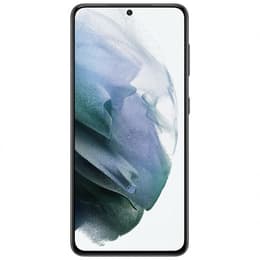
Galaxy S21 5G
Galaxy S21 5G
Starting at

Refurbished price:165.00

Versus €1,026.00 new

See options
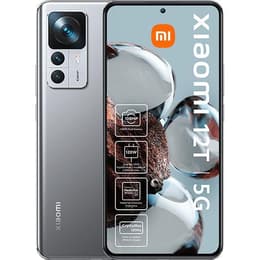
Xiaomi 12T
Xiaomi 12T
Starting at

Refurbished price:131.00

Versus €649.00 new

See options

Ratings

The Samsung Galaxy S21 5G, released in January 2021, and the Xiaomi 12T, launched in October 2022, represent different approaches to smartphone design and features. While both operate on the Android platform, the Galaxy S21 5G was positioned as a flagship device at its release, offering a compact form factor and premium features. The Xiaomi 12T, a more recent offering, focuses on a high-resolution main camera and rapid charging capabilities, aiming to deliver a strong user experience.

Scores

Durability

When considering the long-term usability of these devices, their release timelines and software support policies are key factors.

  • Release Timeline: The Samsung Galaxy S21 5G was released in January 2021, making it an older device compared to the Xiaomi 12T, which launched in October 2022. This difference in age impacts the remaining period of official software support.
  • Software Longevity: The Xiaomi 12T is expected to receive three major Android OS updates, with Android 15 as the final version, and four years of security updates, extending support until at least October 2026. The Galaxy S21 5G launched with Android 11 and typically receives three to four major OS updates, meaning its official Android version support may conclude sooner than the Xiaomi 12T.
  • Repairability: The Samsung Galaxy S21 5G has been noted for its relatively straightforward disassembly, with some sources giving it a repairability score around 7.5 out of 10, citing easily removable back plates and replaceable parts, though the battery can be challenging to remove due to strong adhesive. Conversely, iFixit gave the S21 a lower score of 4 out of 10, highlighting the fragility of the screen and the difficulty in replacing the battery. Information on the Xiaomi 12T's general repairability is less widely available, but Xiaomi did offer one free screen repair for six months and one out-of-warranty repair for free within the first 12 months of purchase for the 12T series.

Year of Release

2021

2022

Compatible with latest Update

Yes

Yes

OS

Android

Android

Foldable

No

No

Performance

Both devices are designed to handle daily tasks and demanding applications, though they achieve this with different internal configurations.

  • Processing Power: The Samsung Galaxy S21 5G, depending on the region, is equipped with a processor that delivers strong performance for multitasking, gaming, and running intensive applications smoothly. The Xiaomi 12T features a processor that provides efficient performance for everyday use and can handle high-frame-rate gaming and demanding apps effectively.
  • Memory and Storage: Both the Galaxy S21 5G and the Xiaomi 12T typically come with 8GB of RAM and offer storage options of 128GB or 256GB. This amount of RAM is generally sufficient for smooth multitasking and app switching on both devices.
  • Battery Behavior: The Galaxy S21 5G houses a 4,000 mAh battery, which for heavy users may require more frequent charging, especially with the 120Hz display enabled. The Xiaomi 12T is equipped with a larger 5,000 mAh battery, which generally translates to longer usage times between charges, even with its high refresh rate display.

Memory (GB)

8 GB

8 GB

Screen quality

The visual experience on both smartphones is delivered through high-quality displays, each with distinct characteristics.

  • Display Technology and Clarity: The Samsung Galaxy S21 5G features a 6.2-inch Dynamic AMOLED 2X display with a resolution of 2400 x 1080 pixels (FHD+), offering vibrant colors and deep blacks. The Xiaomi 12T boasts a larger 6.67-inch AMOLED display with a higher 2712 x 1220 pixel resolution, which Xiaomi refers to as CrystalRes AMOLED, providing enhanced clarity compared to standard FHD+ screens.
  • Brightness and Refresh Rate: Both devices offer a 120Hz refresh rate for smooth scrolling and animations. The Galaxy S21 5G's display can reach a peak brightness of 1300 nits, ensuring good visibility in various lighting conditions. The Xiaomi 12T has a typical brightness of 500 nits, with a peak brightness of 900 nits, which is still suitable for outdoor use.
  • Screen Protection: The Galaxy S21 5G is protected by Corning Gorilla Glass Victus. The Xiaomi 12T uses Corning Gorilla Glass 5 for screen protection.

Resolution

1080 x 2400

1220 x 2712

Screen type

Dynamic AMOLED 2X

AMOLED

Audiovisual

Both smartphones offer versatile camera systems designed to capture a range of photographic and videographic content.

  • Rear Camera System: The Samsung Galaxy S21 5G features a triple camera setup with a 12MP main wide-angle lens, a 64MP telephoto lens offering 3x hybrid zoom, and a 12MP ultra-wide lens. The Xiaomi 12T comes with a 108MP main wide-angle camera, an 8MP ultra-wide lens with a 120-degree field of view, and a 2MP macro lens.
  • Photography Performance: The Galaxy S21 5G is praised for its sharp photos, good dynamic range, and consistent quality across its lenses, with improved low-light performance and effective subject tracking. The Xiaomi 12T's 108MP main sensor delivers vibrant and detailed stills with solid dynamic range, performing well in low-light conditions thanks to optical image stabilization (OIS). Its ultra-wide camera is considered usable, though the macro lens is less impactful.
  • Video Recording: The Galaxy S21 5G can record video at up to 8K resolution at 24fps and 4K at 60fps, with a Director's View mode allowing switching between cameras while filming in HD. The Xiaomi 12T supports video recording up to 4K at 30fps, with OIS on the main lens helping to stabilize footage.
  • Front Camera: The Galaxy S21 5G has a 10MP front camera that captures good quality selfies with effective portrait mode features. The Xiaomi 12T features a 20MP front camera, which is noted for producing detailed and well-lit selfies.

Main camera

12 megapixels

108 megapixels

Front camera

10 megapixels

20 megapixels

Miscellaneous

Beyond core performance, several practical features differentiate these two smartphones in daily use.

  • Connectivity: Both devices support 5G connectivity, Wi-Fi 6, and Bluetooth (5.0 for S21 5G, 5.3 for Xiaomi 12T). The Galaxy S21 5G also supports Ultra-Wideband (UWB) technology.
  • Ports and Sensors: Both smartphones feature a USB-C port for charging and data transfer. Neither device includes a 3.5mm headphone jack. For security, both utilize in-display fingerprint sensors, with the Galaxy S21 5G using an ultrasonic sensor and the Xiaomi 12T an optical one.
  • Build Materials and Handling: The Samsung Galaxy S21 5G has an aluminum frame and a plastic back, which contributes to a lighter feel. It weighs around 169-171 grams and measures 151.7 x 71.2 x 7.9 mm. The Xiaomi 12T features a plastic frame and a glass back with a matte finish, weighing 202 grams and measuring 163.1 x 75.9 x 8.6 mm. The Xiaomi 12T also has an IP53 rating for dust and splash resistance, while the Galaxy S21 5G has an IP68 rating for dust and water resistance.

Weight

171 g

220 g

Screen size (in)

6.2

6.67

Network

5G

5G

SIM card

Physical SIM + eSIM

Dual Physical SIM

Carrier compatibility

Unlocked

Unlocked

Connector

USB-C

USB-C

The Samsung Galaxy S21 5G and the Xiaomi 12T offer distinct strengths, catering to different user preferences. The Galaxy S21 5G is often praised for its compact size, premium feel, and a well-rounded camera system that excels in video recording and consistent image quality across its lenses. Users appreciate its vibrant Dynamic AMOLED 2X display and the overall polished user experience that comes with a former flagship device. However, some users note its smaller battery capacity compared to newer phones and the absence of a charger in the box.

The Xiaomi 12T, on the other hand, receives commendation for its larger, high-resolution AMOLED display, impressive 108MP main camera with strong low-light capabilities, and significantly faster charging speeds. Its larger battery capacity is also a frequent highlight for users seeking extended usage. Criticisms sometimes point to its secondary cameras being less capable than the main sensor and the use of a plastic frame, which some may perceive as less premium than metal or glass builds.

Users prioritizing a more compact device with a highly refined camera experience, particularly for video, and a robust water resistance rating, may find the Samsung Galaxy S21 5G well-suited to their needs. Those who value a larger, sharper display, exceptional battery life with rapid charging, and a high-megapixel main camera for detailed photography might lean towards the Xiaomi 12T. Both devices offer a compelling Android experience, and for those looking for an eco-friendly and quality-assured alternative, considering a refurbished option for either model can be a sustainable choice.


See all articles

Our recent comparisons