
iPhone

Compare models
Differences at a glance
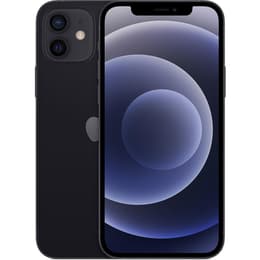
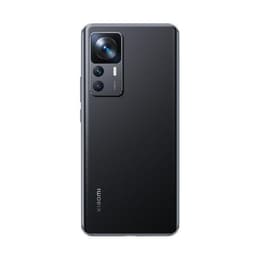
The iPhone 12, released in October 2020, and the Xiaomi 12T, launched in October 2022, are both smartphones designed to offer a comprehensive mobile experience. While the iPhone 12 operates on Apple's iOS ecosystem, the Xiaomi 12T runs on Android with Xiaomi's MIUI overlay. These devices present distinct approaches to design, performance, and camera capabilities, catering to different user preferences.
Colour
Storage
When considering the longevity of these devices, several factors come into play, including their release timelines, software support, and physical durability.
Year of Release
Compatible with latest Update
OS
Foldable
The performance of a smartphone is crucial for daily tasks, from navigating apps to demanding gaming sessions. Both the iPhone 12 and Xiaomi 12T offer capable hardware, but their approaches differ.
The display is a primary interface for any smartphone, and both devices offer vibrant viewing experiences with distinct characteristics.
Resolution
Screen type
Photography and videography capabilities are key differentiators, and both smartphones offer versatile camera systems for capturing moments.
Main camera
Front camera
Beyond core features, several practical elements contribute to the overall user experience of these smartphones.
Weight
Screen size (in)
Network
SIM card
Carrier compatibility
Connector
The iPhone 12 and Xiaomi 12T cater to different priorities, reflecting their respective ecosystems and design philosophies. Users often praise the iPhone 12 for its consistent camera performance, robust software longevity, and compact, premium build. Common criticisms sometimes point to its 60Hz display and battery life compared to newer or larger devices. On the other hand, the Xiaomi 12T frequently receives acclaim for its rapid charging capabilities, large high-refresh-rate display, and powerful main camera. Some users might find its software experience, while feature-rich, to be less streamlined than iOS, and its update policy, while good for Android, is typically shorter than Apple's.
Users prioritizing a compact device with long-term software support, a highly optimized ecosystem, and reliable camera performance in various conditions may prefer the iPhone 12. Its Ceramic Shield front and IP68 rating also appeal to those seeking enhanced durability. Conversely, users who value a larger, smoother display with a 120Hz refresh rate, exceptionally fast charging, and a high-megapixel main camera for detailed shots might find the Xiaomi 12T more aligned with their needs. Its larger battery capacity also suits heavy users. Both devices offer compelling features, and choosing between them often comes down to individual preferences regarding operating system, display fluidity, and charging speed. For those looking for a quality-assured refurbished option, both models are available, offering an eco-friendly alternative to purchasing new.