

Compare models

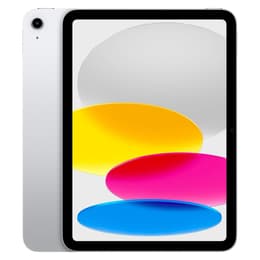
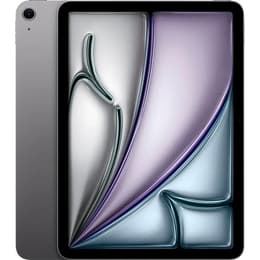
iPad 10 (2022, A14 series) Vs iPad Air 7 (2025, M3 series)

  • 1-year minimum warranty
  • Free delivery on all orders
  • Free 30-day returns
iPad 10 (2022, A14 series)
Starting at

Refurbished price:285.00

Versus €449.00 new

See options
iPad Air 7 (2025, M3 series)
Starting at

Refurbished price:407.55

Versus €729.00 new

See options

Differences at a glance

The iPad 2022, also known as the 10th generation iPad, was released in October 2022, featuring a refreshed design and the A14 Bionic chip. In contrast, the iPad Air 2025, powered by the M3 chip, arrived in March 2025, offering a substantial upgrade in processing power and display technology. Both devices run on Apple's iPadOS, providing a consistent user experience, but they cater to different user needs through their core specifications and capabilities.

Available Models

Colour

Storage (GB)

Scores

Durability

When considering the longevity of these two tablets, their release dates and underlying hardware play a significant role in their expected practical lifespan and software support.

  • Release Timeline: The iPad 2022, released in October 2022, has already received several years of software updates. The iPad Air 2025, launched in March 2025, benefits from a newer release, ensuring a longer period of active software support from Apple. [9, 11]
  • OS Support Duration: Historically, Apple provides operating system updates for its iPad models for approximately five to seven years from their release. This suggests the iPad Air 2025 will continue to receive major iPadOS updates for a longer duration than the iPad 2022, offering extended access to new features and security enhancements. [15, 27, 30, 43, 44]
  • Repairability: Both models generally offer moderate repairability, consistent with Apple's tablet lineup. The availability of parts and service for both devices is expected to be good for several years post-release, though the newer iPad Air 2025 will likely have parts available for a longer period.

Year of Release

2022

2025

Compatible with latest Update

Yes

Yes

OS

iPadOS

iPadOS

Maximum Operating System supported

iPadOS 18

iPadOS 18

Performance

The performance capabilities of these two iPads are a primary differentiator, largely due to their respective processors and memory configurations.

  • Processing Power: The iPad 2022 is equipped with a capable processor that handles everyday tasks, web browsing, and many applications smoothly. The iPad Air 2025, featuring a more advanced processor, delivers significantly enhanced performance, making it well-suited for demanding applications, complex multitasking, and graphically intensive games. [11, 18, 29, 31]
  • Multitasking and Responsiveness: The iPad 2022 comes with 4GB of RAM, which is sufficient for general use and light multitasking. The iPad Air 2025 doubles this with 8GB of RAM, allowing for more applications to run simultaneously without slowdowns and providing a more fluid experience when switching between tasks. [6, 11, 31]
  • Storage Options: The iPad 2022 offers storage starting at 64GB, with a higher option of 256GB. The iPad Air 2025 provides a wider range of storage configurations, starting at 128GB and extending up to 1TB, catering to users with larger storage needs for media, documents, and applications. [1, 4, 6, 7, 9, 11, 14, 17, 31]

Processor

Apple A14 Bionic

Apple M3

Screen quality

The visual experience on these tablets is influenced by their display technology, resolution, and additional features.

  • Display Technology and Clarity: Both iPads feature Liquid Retina IPS LCD displays, providing clear images and good color reproduction. The iPad 2022 has a 10.9-inch display with a resolution of 2360x1640 pixels. The iPad Air 2025 offers both 11-inch and 13-inch display options, with the 13-inch model featuring a 2732x2048 pixel resolution, resulting in a slightly sharper image on the larger screen. [1, 2, 4, 9, 11, 13, 16, 17, 21, 31, 36]
  • Brightness and Lamination: The iPad 2022's display reaches 500 nits of brightness, suitable for indoor use. The iPad Air 2025 boasts a higher typical brightness of 600 nits, improving visibility in brighter environments. Additionally, the iPad Air 2025 features a fully laminated display with an anti-reflective coating, which reduces glare and makes the screen appear closer to the surface, enhancing the viewing and drawing experience compared to the non-laminated display of the iPad 2022. [1, 2, 4, 10, 16, 21, 31, 33, 36]
  • Color and Refresh Rate: The iPad Air 2025 supports Wide Color (P3), offering a broader spectrum of colors for more vibrant and accurate visuals, which is particularly beneficial for creative work. The iPad 2022 does not include P3 wide color support. Both models typically operate at a 60Hz refresh rate, providing a smooth experience for most content, though neither offers the higher refresh rates found in some premium tablets. [2, 4, 9, 11, 33, 36]

Resolution

2360 x 1640

2360 x 1640

True Tone

Yes

Yes

Pro-Motion

No

No

Screen type

Liquid Retina display

Liquid Retina display

Pixel density

264ppp

264ppp

Brightness

500 nits brightness

500 nits brightness

Sound quality

Speakers

Stereo speakers

Stereo speakers (landscape)

Audiovisual

Both tablets are equipped with capable camera systems for everyday photography, video calls, and document scanning, though there are some distinctions in their capabilities.

  • Rear Camera System: Both the iPad 2022 and the iPad Air 2025 feature a 12MP Wide rear camera with an f/1.8 aperture, capable of capturing detailed photos and 4K video recording at up to 60 frames per second. This makes them suitable for scanning documents, quick snapshots, and recording high-quality video. [1, 4, 5, 8, 9, 10, 11, 16, 17, 19, 20, 28]
  • Front Camera and Video Calls: Both models include a 12MP Ultra-Wide front camera positioned on the longer edge of the device, which is ideal for video conferencing in landscape orientation. This camera supports Center Stage, a feature that automatically keeps subjects in the frame during video calls. [1, 4, 5, 8, 9, 10, 13, 16, 19, 20, 28]
  • Photography Features: The iPad 2022 includes Smart HDR 3 for improved dynamic range in photos. The iPad Air 2025 also benefits from advanced image processing, leveraging its more powerful chip for potentially better computational photography results, especially in challenging lighting conditions. [1, 5, 8, 12, 16]

Miscellaneous

Beyond core performance and display, several practical elements contribute to the overall user experience and differentiate these two iPad models.

  • Connectivity Standards: The iPad 2022 supports Wi-Fi 6 and Bluetooth 5.2, providing reliable wireless connections. The iPad Air 2025 steps up to Wi-Fi 6E and Bluetooth 5.3, offering faster wireless speeds and improved efficiency, particularly in congested network environments. Both models offer optional 5G cellular connectivity for on-the-go internet access. [4, 6, 9, 11, 13, 17, 18, 20, 31]
  • Port Types and Accessories: Both devices utilize a USB-C port for charging and data transfer. The iPad Air 2025's USB-C port may offer faster data transfer speeds due to its more advanced chipset. Both support various accessories, including the Apple Pencil (though different generations or adapters may be required) and external keyboards, enhancing their versatility for productivity. [1, 4, 13, 16, 19, 20]
  • Biometric Authentication and Design: Both iPads feature Touch ID integrated into the top button for secure and convenient authentication, moving away from the traditional home button design. The iPad 2022 has a 10.9-inch display, while the iPad Air 2025 is available in 11-inch and 13-inch sizes, offering users more choice in screen real estate. The iPad Air 2025 is also slightly thinner and lighter for its size compared to the iPad 2022. [1, 2, 3, 9, 10, 11, 13, 17, 18, 19, 21, 23, 31, 36]

Weight

477 g

460 g

Width

17.95 cm

178.5 cm

Height

24.86 cm

247.6 cm

Depth

0.7 cm

6.1 cm

Screen size (in)

10.9

11

Network

Wi-Fi

Wi-Fi

Carrier compatibility

Without SIM Port

Without SIM Port

Wi-Fi technology

Wi-Fi 6 802.11ax

Wi-Fi 6 802.11ax

Bluetooth Version

Bluetooth 5.2

Bluetooth 5.3

Face ID

No

No

Touch ID

Yes

Yes

Connector

USB Type-C

USB Type-C

What the community thinks

The iPad 2022 and iPad Air 2025 represent distinct tiers within Apple's tablet lineup, each suited to different user priorities. The iPad 2022 is frequently praised for its modern design compared to its predecessors and its capable performance for everyday tasks, making it a solid choice for general use, media consumption, and light productivity. Users appreciate its vibrant display and the convenience of its landscape-oriented front camera for video calls. Some common criticisms, however, point to its non-laminated display and the performance gap when compared to more powerful iPad models. [5, 9, 12, 13, 16, 19, 22]

The iPad Air 2025, on the other hand, garners acclaim for its significantly enhanced processing power, making it a strong contender for more demanding workflows such as advanced photo editing, graphic design, and intensive gaming. Its fully laminated display with P3 wide color and anti-reflective coating provides a superior visual experience, and the option of a larger 13-inch screen is a notable advantage for many. User feedback sometimes highlights that while performance is excellent, real-world battery life for heavy tasks might not always meet the advertised figures, and some users might desire a higher refresh rate display. [10, 11, 18, 23, 25, 28, 31, 32, 33, 34, 35, 39, 41]

Users prioritizing a balance of modern features and solid performance for general use, education, or casual entertainment may find the iPad 2022 well-suited to their needs. Those who require substantial processing power for professional applications, creative tasks, or advanced multitasking, and who value a more premium display experience, will likely lean towards the iPad Air 2025. The availability of quality-assured refurbished options for both models provides an eco-friendly alternative for consumers looking to make a sustainable choice while still acquiring a high-performing device.


See all articles

Our recent comparisons