

iPad Air 7 (2025, M3 series) Vs iPad mini 7 (2024, A17 series)

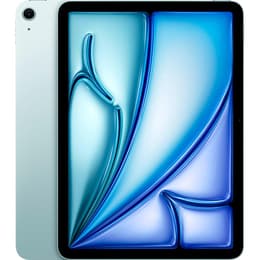
iPad Air 7 (2025, M3 series)
Starting at

Refurbished price:438.00

Versus €729.00 new

See options
iPad mini 7 (2024, A17 series)
Starting at

Refurbished price:463.68

Versus €749.00 new

See options

Ratings

The iPad Air (M3 Series), released in March 2025, and the iPad Mini (A17 Series), launched in October 2024, represent distinct approaches within Apple's tablet lineup. While both devices operate on the iPadOS platform and offer advanced capabilities, they cater to different user needs primarily through their size and processing power. The iPad Air emphasizes a larger display and a more powerful chip for demanding tasks, whereas the iPad Mini prioritizes portability with its compact form factor and a highly capable mobile processor.

Scores

Durability

When considering the longevity of these tablets, several factors come into play, including software support, physical durability, and the practical lifespan for typical usage.

  • Software Support: Apple typically provides major iPadOS updates for approximately 5 to 7 years from a device's release, followed by additional years of security updates. Given its March 2025 release, the iPad Air (M3 Series) is expected to receive major iPadOS updates for a slightly longer period than the iPad Mini (A17 Series), which was released in October 2024. This means the Air will likely maintain compatibility with the newest software features and applications for an extended duration.
  • Physical Durability: Both the iPad Air and iPad Mini are constructed with robust aluminum enclosures and feature durable glass displays. While specific repairability scores for these exact models are not widely available, iPads generally receive moderate to low repairability ratings due to their integrated designs and the use of adhesives. Users seeking an eco-friendly alternative can consider quality-assured refurbished options, which often undergo rigorous testing to ensure functionality and extend product life.
  • Expected Practical Lifespan: For most users, both devices are designed to remain functional and responsive for many years. The advanced processors in both models ensure they can handle current and future applications effectively. The primary determinant of practical lifespan often relates to battery degradation and the eventual cessation of major software updates, which the iPad Air will experience slightly later due to its newer release.

Year of Release

2025

2024

Compatible with latest Update

Yes

Yes

OS

iPadOS

iPadOS

Maximum Operating System supported

iPadOS 18

iPadOS 18

Performance

The performance of the iPad Air (M3 Series) and iPad Mini (A17 Series) is a key differentiator, driven by their respective processors, which are designed for varying levels of computational intensity.

  • Processor Capabilities: The iPad Air (M3 Series) is equipped with a powerful chip that delivers desktop-class performance, making it well-suited for intensive tasks such as professional video editing, complex graphic design, and running multiple demanding applications simultaneously. Its architecture supports advanced graphics features like hardware-accelerated ray tracing and mesh shading, enhancing visual fidelity in compatible applications and games. The iPad Mini (A17 Series) features an advanced mobile processor that provides substantial performance for everyday tasks, gaming, and creative applications. It handles multitasking smoothly and is capable of running graphically intensive games with hardware-accelerated ray tracing.
  • System Responsiveness and Multitasking: Both tablets offer a highly responsive user experience, with applications launching quickly and smooth transitions between tasks. The iPad Air, with its more powerful chip, provides greater headroom for extremely heavy multitasking and professional-grade workflows, allowing users to manage numerous complex processes without slowdowns. Both models typically come with 8GB of unified memory, which contributes to efficient multitasking and app performance.
  • Battery Behavior: Both devices are engineered for all-day battery life under typical usage conditions. The iPad Air, with its larger physical size, accommodates a larger battery capacity, which can translate to longer usage times for demanding applications compared to the more compact iPad Mini. The efficiency of their respective processors also plays a significant role in optimizing battery longevity.

Memory (GB)

8 GB

8 GB

Processor

Apple M3

Apple A17 Pro

Screen quality

The visual experience on the iPad Air (M3 Series) and iPad Mini (A17 Series) is shaped by their display technologies, resolutions, and physical dimensions, catering to different viewing preferences.

  • Display Technology and Clarity: Both tablets feature Liquid Retina displays, offering sharp text and vibrant colors. The iPad Air is available in 11-inch and 13-inch sizes, providing a larger canvas for content consumption and productivity. The 11-inch model has a resolution of 2360 x 1640 pixels, resulting in a clear and detailed image. The iPad Mini, with its 8.3-inch display and a resolution of 1488 x 2266 pixels, offers a high pixel density in a more compact format, making it excellent for reading and portable media consumption.
  • Brightness and Refresh Rate: Both displays offer ample brightness for comfortable viewing in various lighting conditions, including outdoor use. The standard refresh rate for both models is 60Hz, providing a smooth experience for general navigation and video playback. While not featuring the higher refresh rates found in some professional tablets, the displays deliver consistent and fluid visuals for their intended use cases.
  • Viewing Experience: The larger screen of the iPad Air is advantageous for tasks requiring more screen real estate, such as split-screen multitasking, detailed creative work, and immersive movie watching. The iPad Mini's smaller screen is ideal for one-handed use, reading e-books, and quick note-taking, offering a more intimate and portable viewing experience.

Resolution

2360 x 1640

2266 x 1488

True Tone

Yes

Yes

Pro-Motion

No

No

Screen type

Liquid Retina display

Liquid Retina display

Pixel density

264ppp

326ppp

Brightness

500 nits brightness

500 nits brightness

Sound quality

Speakers

Stereo speakers (landscape)

Stereo speakers (landscape)

Audiovisual

The camera systems on both the iPad Air (M3 Series) and iPad Mini (A17 Series) are designed to provide capable photography and video conferencing functionalities, aligning with their roles as versatile tablets.

  • Rear Camera Capabilities: Both devices feature a 12-megapixel Wide rear camera, suitable for capturing clear photos and scanning documents. The iPad Mini (A17 Series) includes Smart HDR 4, which enhances dynamic range and detail in photos, particularly in challenging lighting conditions. Both are capable of recording high-quality video.
  • Front Camera and Video Calls: For video conferencing and selfies, both tablets are equipped with a 12-megapixel front-facing camera. The iPad Air features Center Stage, which automatically keeps the user in the frame during video calls. The iPad Mini also includes a 12-megapixel Ultra Wide front camera with Center Stage, ensuring users remain centered during video interactions.
  • Audio Experience: Both the iPad Air and iPad Mini provide a good audio experience for media consumption and video calls. They feature stereo speakers that deliver clear sound. The microphones on both devices are designed to capture clear audio for calls and recordings, making them suitable for online meetings and voice memos.

Miscellaneous

Beyond their core performance and display, the iPad Air (M3 Series) and iPad Mini (A17 Series) offer a range of practical features that enhance their usability and connectivity.

  • Connectivity Options: Both tablets support modern wireless standards, including Wi-Fi 6E for fast and reliable internet connections, and Bluetooth 5.3 for connecting accessories. Cellular models of both devices offer 5G connectivity, providing high-speed mobile internet access.
  • Port Types and Accessories: Both the iPad Air and iPad Mini utilize a USB-C port, which supports data transfer speeds of up to 10 Gbps. This versatile port allows for charging, connecting external drives, and outputting to external displays. Both devices are compatible with the Apple Pencil Pro and Apple Pencil (USB-C), offering precise input for drawing, note-taking, and creative tasks. The iPad Air also supports an updated Magic Keyboard with a larger trackpad and function keys.
  • Biometrics and Design: Both models integrate Touch ID into the top button for secure and convenient authentication. The iPad Air is available in 11-inch and 13-inch sizes, with weights around 460g for the 11-inch model, offering a balance of screen size and portability. The iPad Mini, weighing approximately 293g, is significantly lighter and more compact, making it highly portable for on-the-go use. Both feature sleek aluminum designs.

Weight

460 g

293 g

Width

178.5 cm

13.48 cm

Height

247.6 cm

19.54 cm

Depth

6.1 cm

0.63 cm

Screen size (in)

11

8.3

Network

Wi-Fi

Wi-Fi

Carrier compatibility

Without SIM Port

Without SIM Port

Wi-Fi technology

Wi-Fi 6 802.11ax

Wi-Fi 6 802.11ax

Bluetooth Version

Bluetooth 5.3

Bluetooth 5.3

Face ID

No

No

Touch ID

Yes

Yes

Connector

USB Type-C

USB Type-C

The iPad Air (M3 Series) and iPad Mini (A17 Series) each offer compelling features tailored to different user preferences, making the choice between them dependent on individual priorities.

Users frequently praise the iPad Air for its expansive display, which is ideal for productivity tasks, digital art, and immersive media consumption. Its powerful processor is often highlighted for handling demanding applications and multitasking with ease, making it a strong contender for professionals and students who require significant computational power. Some users, however, find its larger size less convenient for casual, one-handed use or extreme portability.

Conversely, the iPad Mini is consistently lauded for its ultra-portable design, making it a favorite for reading, casual gaming, and quick note-taking on the go. Its compact form factor allows it to fit easily into smaller bags and be used comfortably for extended periods. While its performance is robust for a mobile device, some users note that the smaller screen can be less suitable for extensive split-screen multitasking or detailed creative work that benefits from more screen real estate.

Users prioritizing a larger display for productivity, creative endeavors, and a more immersive viewing experience will find the iPad Air (M3 Series) well-suited to their needs. Its advanced processing capabilities provide ample power for complex workflows. On the other hand, users who value maximum portability, comfortable one-handed use, and a device primarily for reading, casual entertainment, or quick tasks will likely lean toward the iPad Mini (A17 Series). Both devices offer a modern iPadOS experience and support for Apple Intelligence. For those considering either model, exploring quality-assured refurbished options can provide a sustainable choice without compromising on performance or features.


See all articles

Our recent comparisons