iPad

Compare models
Differences at a glance
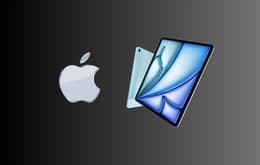
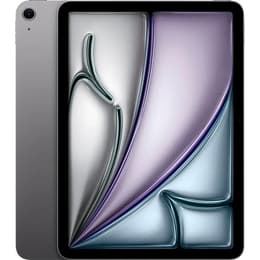
The iPad Air 2024, powered by the M2 chip, and the iPad Air 2025, featuring the M3 chip, represent consecutive advancements in Apple's mid-range tablet line. Both devices offer a blend of portability and performance, available in 11-inch and 13-inch display sizes. The primary distinction lies in their internal processing power and the software capabilities unlocked by the newer chip, alongside minor accessory enhancements. Both models operate on Apple's iPadOS, providing a consistent user experience across the ecosystem.
Colour
Storage (GB)
When considering the longevity of these tablets, both the iPad Air M2 and M3 are designed for extended use, benefiting from Apple's consistent software support.
Year of Release
Compatible with latest Update
OS
Maximum Operating System supported
The core difference between these two iPad Air models is their processing unit, which impacts overall system responsiveness and capability for demanding tasks.
Processor
Both iPad Air models offer a consistent and high-quality visual experience, as their display specifications remain largely unchanged between generations.
Resolution
True Tone
Pro-Motion
Screen type
Pixel density
Brightness
Speakers
The camera systems on the iPad Air M2 and M3 are identical, providing reliable performance for common tablet photography and video conferencing needs.
Beyond core performance and display, several practical elements contribute to the overall user experience of the iPad Air M2 and M3.
Weight
Width
Height
Depth
Screen size (in)
Network
Carrier compatibility
Wi-Fi technology
Bluetooth Version
Face ID
Touch ID
Connector
The iPad Air M2 (2024) and iPad Air M3 (2025) are both highly capable tablets, sharing many core features and design elements. User feedback for the M2 model often praises its robust performance for a wide range of tasks, its vibrant Liquid Retina display, and the convenience of its landscape-oriented front camera for video calls. Some common criticisms for the M2 included its 60Hz display refresh rate and the lack of significant upgrades over its predecessor beyond the chip.
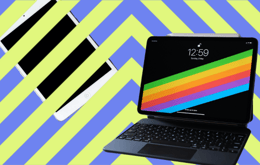
For the iPad Air M3, users frequently highlight the substantial performance gains from the M3 chip, particularly for demanding applications and gaming due to hardware-accelerated ray tracing. The introduction of the new Magic Keyboard with a function row is also a well-received enhancement. However, some users have expressed concerns about the M3's battery life being similar to or, in some cases, perceived as slightly worse than the M2, despite the chip's efficiency improvements. The lack of display upgrades (still 60Hz LCD) is another point of discussion.
Users prioritizing raw processing power for future-proofing, intensive creative work, or advanced gaming will find the iPad Air M3 well-suited to their needs, especially with its enhanced AI capabilities. Those who require a highly capable tablet for everyday productivity, media consumption, and moderate creative tasks, and who may not need the absolute latest chip, will find the iPad Air M2 to be an excellent and reliable choice. Both models offer a quality-assured refurbished option, providing an eco-friendly alternative for consumers seeking a powerful tablet. Ultimately, the decision hinges on the user's specific performance demands and how much they value the incremental advancements of the M3 chip and its associated accessories.