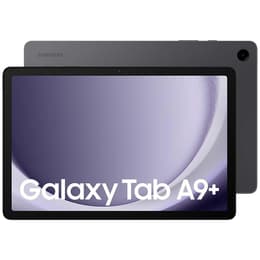
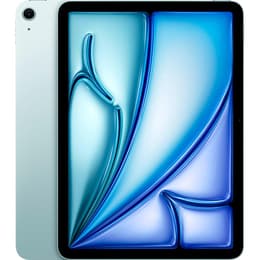


Galaxy Tab A9+ (11.0", 2023) Vs iPad Air 7 (2025, M3 series)

Galaxy Tab A9+ (11.0", 2023)
Starting at

Refurbished price:211.00

Versus €309.90 new

See options
iPad Air 7 (2025, M3 series)
Starting at

Refurbished price:438.00

Versus €729.00 new

See options

Ratings

The Samsung Galaxy Tab A9 Plus, released in October 2023, and the Apple iPad Air M3 Series, launched in March 2025, represent distinct approaches to tablet computing. While both offer expansive displays for media consumption and productivity, they cater to different user needs through their respective operating systems and hardware capabilities. The Galaxy Tab A9 Plus runs on Android with Samsung's One UI, providing a customizable experience, whereas the iPad Air M3 operates on iPadOS, known for its intuitive interface and robust app ecosystem. A primary distinction lies in their processing power and long-term software support.

Scores

Durability

When considering the longevity of these tablets, their release timelines and software support policies are key factors. The Galaxy Tab A9 Plus, launched in late 2023, typically receives major Android updates for approximately three years and security patches for four years, extending its support until around 2027. [13, 16, 17] In contrast, the iPad Air M3, released in early 2025, benefits from Apple's extended software support, often receiving security updates for seven to ten years. [29, 34]

  • Software Updates: The iPad Air M3 is expected to receive a significantly longer period of major iPadOS updates and security patches compared to the Galaxy Tab A9 Plus, offering a more extended functional lifespan for its operating system. [13, 16, 29, 34]
  • Repairability: While specific repairability scores can vary, Apple devices generally have a well-established repair ecosystem, and both devices, when considering a quality-assured refurbished option, can offer extended usability.
  • Practical Lifespan: Users prioritizing the latest software features and security for many years may find the iPad Air M3 a more suitable choice for long-term use, while the Galaxy Tab A9 Plus provides a solid experience for its expected support window.

Year of Release

2023

2025

Compatible with latest Update

Yes

Yes

OS

Android

iPadOS

Performance

The performance capabilities of these two tablets differ considerably, impacting how they handle various tasks from everyday browsing to demanding applications. The Galaxy Tab A9 Plus is equipped with a processor that capably manages daily activities, media streaming, and light gaming. [5, 19, 23]

  • Processing Power: The iPad Air M3 features a powerful M3 chip, which offers a substantial increase in processing speed and graphical performance, making it well-suited for intensive tasks like advanced video editing, 3D rendering, and high-fidelity gaming. [1, 12, 21, 22, 31, 32, 34] The Galaxy Tab A9 Plus's processor handles general use smoothly, though the 4GB RAM variant may exhibit some sluggishness with heavy multitasking. [19, 23]
  • Multitasking: The iPad Air M3 provides robust multitasking capabilities, allowing users to run multiple demanding applications simultaneously with fluidity. [12] The Galaxy Tab A9 Plus supports multi-active window features, enabling up to three apps on screen, which is effective for general productivity. [18]
  • System Responsiveness: The iPad Air M3 delivers consistently swift and responsive performance across the iPadOS environment, even with complex workflows. The Galaxy Tab A9 Plus offers a smooth experience for typical tablet usage, though some users note occasional delays when opening or switching between numerous applications. [4, 19]

Memory (GB)

4 GB

8 GB

Screen quality

The visual experience on both tablets is delivered through their respective displays, each offering distinct characteristics in technology, resolution, and overall viewing quality. The Galaxy Tab A9 Plus features an 11-inch TFT LCD, while the iPad Air M3 comes with an 11-inch or 13-inch Liquid Retina IPS LCD. [1, 5, 8, 10, 17, 18, 22, 34]

  • Display Technology and Clarity: The iPad Air M3's Liquid Retina display offers a higher resolution and pixel density, resulting in sharper visuals and finer detail for text and images. [1] The Galaxy Tab A9 Plus provides a clear 1920 x 1200 resolution, which is suitable for media consumption and general use. [5, 8, 10, 17]
  • Brightness and Color: The iPad Air M3 features 500 nits of typical brightness, True Tone technology for adaptive white balance, and P3 wide color gamut support, contributing to accurate and vibrant color reproduction. [1] The Galaxy Tab A9 Plus offers 570 nits of brightness and good colors, though it may appear washed out in direct sunlight compared to more advanced panels. [5, 18, 24]
  • Refresh Rate and Smoothness: The Galaxy Tab A9 Plus boasts a 90Hz refresh rate, which provides smoother scrolling and a more fluid visual experience during animations and gaming. [4, 18, 24] The iPad Air M3 maintains a standard 60Hz refresh rate, which is consistent for most tasks but does not offer the same level of motion fluidity. [12]

Resolution

1200 x 1920

2360 x 1640

Screen type

TFT LCD

Liquid Retina display

Pixel density

210ppp

264ppp

Audiovisual

The camera systems on both tablets are designed to serve different primary purposes, with the iPad Air M3 offering more advanced capabilities for photography and video conferencing. The Galaxy Tab A9 Plus includes an 8MP rear camera and a 5MP front camera, while the iPad Air M3 features 12MP cameras on both the front and rear. [4, 5, 7, 9, 14, 20, 22, 26, 34]

  • Photography Performance: The iPad Air M3's 12MP rear camera is capable of capturing detailed photos and recording 4K video at 60 frames per second, making it suitable for capturing higher-quality content. [20, 22, 34] The Galaxy Tab A9 Plus's 8MP rear camera is functional for casual photography and document scanning, but it is not designed for high-end image capture. [4, 5, 7, 9, 26]
  • Video Conferencing: The iPad Air M3 features a 12MP front camera positioned in landscape orientation, supporting Center Stage to keep users framed during video calls, and records 1080p video. [1, 20, 22, 28] The Galaxy Tab A9 Plus has a 5MP front camera that is decent for video calls in good lighting conditions. [4, 7, 9]
  • Audio for Media: The iPad Air M3 provides a quality media consumption experience with its speaker output. The Galaxy Tab A9 Plus features a quad-speaker setup with Dolby Atmos, delivering an immersive audio experience for movies and games. [18]

Miscellaneous

Beyond their core specifications, several practical elements contribute to the overall user experience and versatility of these tablets. These include connectivity options, port types, biometric security, and physical design characteristics.

  • Connectivity and Ports: The iPad Air M3 supports Wi-Fi 6E and Bluetooth 5.3, along with optional sub-6 GHz 5G connectivity via eSIM, and features a USB-C port. [22, 34] The Galaxy Tab A9 Plus offers Wi-Fi 5, Bluetooth 5.1, optional 5G, a USB-C port (with USB 2.0 speeds), and notably, a 3.5mm headphone jack. [4, 5, 9, 10, 18, 24]
  • Biometric Security: The iPad Air M3 incorporates Touch ID for secure authentication, typically integrated into the power button. [22] The Galaxy Tab A9 Plus relies on face recognition for unlocking, lacking a dedicated fingerprint sensor. [4, 5, 19]
  • Design and Handling: Both tablets feature a slim and lightweight design. The 11-inch iPad Air M3 weighs 461g, while the 11-inch Galaxy Tab A9 Plus weighs 480g (Wi-Fi model). [5, 10, 22, 34] The iPad Air M3 supports advanced accessories like the Apple Pencil Pro and a new Magic Keyboard, enhancing its utility for creative and productivity tasks. [31, 32] The Galaxy Tab A9 Plus offers expandable storage via a microSD card slot, a feature not present on the iPad Air. [10, 17, 19, 25]

Weight

1 g

460 g

Screen size (in)

11.0

11

Network

Wi-Fi + 4G

Wi-Fi

Carrier compatibility

Unlocked

Without SIM Port

User sentiment for the Galaxy Tab A9 Plus often highlights its strong battery life, large screen, and smooth performance for everyday tasks, making it a popular choice for media consumption and basic productivity. [2, 4, 15, 19, 23] Common criticisms include its slower charging speed and the absence of a fingerprint sensor. [5, 9, 19] Users appreciate its value for general use, especially for streaming and web browsing. [23, 24]

For the iPad Air M3, users frequently praise its exceptional performance, capable of handling demanding applications and advanced multitasking with ease. [1, 12, 22] Its long-term software support and robust ecosystem of accessories, such as the Apple Pencil and Magic Keyboard, are also highly valued. [29, 31, 32] Some users note the 60Hz display as a point of comparison to higher refresh rate competitors. [12]

Users prioritizing a tablet for casual use, media streaming, and general web browsing, who also value expandable storage and a headphone jack, may find the Galaxy Tab A9 Plus well-suited to their needs. Its 90Hz display offers a fluid visual experience for these activities. Conversely, users who require powerful performance for creative work, advanced gaming, or intensive multitasking, and who benefit from a longer software support lifespan and a comprehensive accessory ecosystem, may lean toward the iPad Air M3. Both devices are available as quality-assured refurbished options, providing an eco-friendly alternative for consumers seeking reliable technology.


See all articles

Our recent comparisons