iPad

Compare models
Differences at a glance
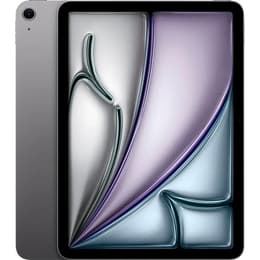
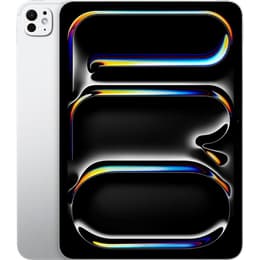
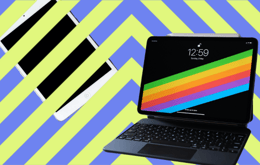
The iPad Air 2025 M3 Series and the iPad Pro 2024 M4 Series represent distinct tiers within Apple's tablet lineup, catering to different user needs and performance expectations. While the iPad Air M3 (a hypothetical successor to the 2024 M2 Air) is designed to offer robust performance for a wide range of users, the iPad Pro M4, released in May 2024, stands as Apple's top-tier tablet, featuring advanced display technology and the latest processing power. Both devices run on iPadOS, providing a consistent software experience, but they diverge significantly in their core capabilities and target audiences.
Colour
Storage (GB)
When considering the longevity of these tablets, both models are expected to receive several years of software updates, ensuring continued functionality and access to new features.
Year of Release
Compatible with latest Update
OS
Maximum Operating System supported
The performance capabilities of these two tablets are a primary differentiator, driven by their respective chipsets and memory configurations.
Processor
The visual experience on these tablets varies significantly due to their underlying display technologies.
Resolution
True Tone
Pro-Motion
Screen type
Pixel density
Brightness
Speakers
While tablets are not typically primary photography devices, both models offer capable camera systems for various uses, including video calls and document scanning.
Beyond core performance and display, several practical elements contribute to the overall user experience of these tablets.
Weight
Width
Height
Depth
Screen size (in)
Network
Carrier compatibility
Wi-Fi technology
Bluetooth Version
Face ID
Touch ID
Connector
User feedback for the iPad Air M2 (the predecessor to the hypothetical M3 Air) often highlights its excellent balance of performance, portability, and display quality for everyday tasks, creative work, and educational purposes. Users frequently praise its speed, lightweight design, and impressive battery life, making it a strong contender for those seeking a capable tablet without the premium features of the Pro line. [11, 20, 22, 31, 32, 38] Common criticisms for the Air series often revolve around the 60Hz display and the continued use of Touch ID over Face ID. [20, 31, 38]
The iPad Pro M4, on the other hand, receives widespread acclaim for its groundbreaking Ultra Retina XDR OLED display, the raw power of the M4 chip, and its exceptionally thin and light design. Professionals and power users commend its ability to handle the most demanding applications, making it ideal for video editing, graphic design, and other intensive creative workflows. [14, 17, 23, 28, 30] Some users have noted the removal of the ultrawide rear camera as a minor downgrade, though the overall camera system remains highly capable. [29]
Users prioritizing a balance of performance and portability for general productivity, media consumption, and light creative tasks will find the iPad Air M3 well-suited to their needs. Its expected M3 chip will provide ample power for most applications, and its Liquid Retina display offers a quality viewing experience. Conversely, users who require the absolute best in display technology, maximum processing power for professional applications, and faster data transfer capabilities will lean towards the iPad Pro M4. Its Tandem OLED display, M4 chip, and Thunderbolt port are designed for those who push their devices to the limit. Both models offer a compelling experience, and choosing between them depends on the specific demands of your workflow and visual preferences. For those looking for an eco-friendly and quality-assured option, considering a refurbished model of either device can be a smart choice.