

Galaxy Tab A9+ (11.0", 2023) Vs iPad 8 (2020, A12 series)

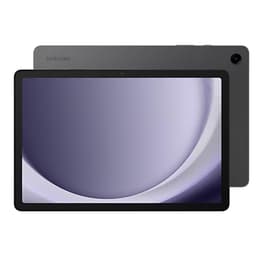
Galaxy Tab A9+ (11.0", 2023)
Starting at

Refurbished price:211.00

Versus €309.90 new

See options
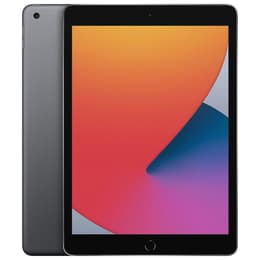
iPad 8 (2020, A12 series)
Starting at

Refurbished price:128.00

Versus €399.00 new

See options

Ratings

The Samsung Galaxy Tab A9+ (released in October 2023) and the Apple iPad 8th Generation (released in September 2020) are both tablets designed for general use, yet they cater to slightly different user experiences. The Galaxy Tab A9+ operates on Android, offering a more open ecosystem, while the iPad 8th Generation runs on Apple's iPadOS, known for its integrated software and hardware experience. Key differentiators include their display technology, processing power, and overall software ecosystems.

Scores

Durability

When considering the long-term usability of these tablets, their release timelines and software support are important factors. The Galaxy Tab A9+, being a newer device, benefits from a more recent launch, while the iPad 8th Generation has been available for a longer period.

  • Software Updates: The Galaxy Tab A9+ is expected to receive three major Android OS upgrades and four years of security updates from its release, potentially extending its functional life into the late 2020s. The iPad 8th Generation, released in 2020, typically receives 5-6 years of iPadOS updates, meaning its software support cycle is nearing its end, though it still runs current iPadOS versions. [5, 7, 25]
  • Practical Lifespan: Both devices are built to last, but the newer Galaxy Tab A9+ inherently offers a longer runway for future software compatibility. The iPad's robust build quality is well-regarded, and its aluminum body contributes to its durability. [35]
  • Repairability: Information on specific repairability scores is not readily available for both models. However, Apple devices generally have a more controlled repair ecosystem, while Android devices can sometimes offer more varied repair options.

Year of Release

2023

2020

Compatible with latest Update

Yes

Yes

OS

Android

iPadOS

Performance

The performance of a tablet directly impacts its responsiveness and ability to handle various applications. Both devices offer capable performance for their intended use cases, though they approach it with different hardware architectures.

  • Processing Capabilities: The Galaxy Tab A9+ is equipped with a processor that handles everyday tasks, multitasking, and streaming smoothly. Users report that the 8GB RAM configuration provides a more fluid experience, especially when running multiple applications simultaneously. [2, 21, 26, 34] The iPad 8th Generation features a powerful chip that delivers responsive performance for general use, gaming, and content consumption, offering a significant performance boost over its predecessor. [7, 19, 20, 32, 35]
  • Storage Options: The Galaxy Tab A9+ offers configurations with 64GB or 128GB of internal storage, with the added flexibility of expanding storage up to 1TB using a microSD card. [5, 9, 29] The iPad 8th Generation comes with either 32GB or 128GB of internal storage, without the option for expandable storage. [4, 10, 16]
  • Battery Behavior: The Galaxy Tab A9+ houses a 7040 mAh battery, providing approximately 7 to 10 hours of usage depending on the intensity of tasks, with heavier use reducing this duration. [3, 26, 27, 33, 34] The iPad 8th Generation, with its 32.4-watt-hour battery, is rated for up to 10 hours of web browsing or video playback on Wi-Fi, and up to 9 hours on cellular models. [1, 18, 37]

Memory (GB)

4 GB

3 GB

Screen quality

The display is a primary interface for any tablet, and both the Galaxy Tab A9+ and iPad 8th Generation offer distinct viewing experiences.

  • Display Technology and Resolution: The Galaxy Tab A9+ features an 11.0-inch TFT LCD with a resolution of 1920 x 1200 pixels, providing clear visuals for media consumption and productivity. [2, 9, 11, 28] The iPad 8th Generation has a 10.2-inch Retina IPS LCD with a higher resolution of 2160 x 1620 pixels, resulting in a sharper image with 264 pixels per inch. [1, 4, 17]
  • Brightness and Refresh Rate: The Galaxy Tab A9+ boasts a 90Hz refresh rate, contributing to smoother scrolling and a more fluid visual experience. [2, 11, 28, 29] The iPad 8th Generation offers a standard 60Hz refresh rate but compensates with a brightness of 500 nits, which is generally sufficient for indoor and some outdoor use, though its non-laminated display can be reflective in bright conditions. [1, 17, 19, 37]
  • Viewing Experience: The larger screen of the Galaxy Tab A9+ provides more screen real estate, which can be beneficial for multitasking or immersive viewing. The iPad's display, while smaller, is known for its color accuracy and clarity, making it suitable for detailed work and general content.

Resolution

1200 x 1920

2160 x 1620

Screen type

TFT LCD

Retina display

Pixel density

210ppp

264ppp

Audiovisual

While tablets are not typically primary photography devices, their cameras serve practical purposes for video calls, document scanning, and casual photography. Both tablets include camera systems that meet these basic needs.

  • Rear Camera Performance: The Galaxy Tab A9+ is equipped with an 8-megapixel rear camera, which performs adequately in well-lit environments but may show limitations in low-light conditions. [2, 3, 26] The iPad 8th Generation also features an 8-megapixel rear camera, capable of capturing stills and 1080p video, offering reliable performance for general photography. [1, 10, 17, 32]
  • Front Camera Capabilities: For video conferencing and selfies, the Galaxy Tab A9+ includes a 5-megapixel front camera. [2] The iPad 8th Generation has a 1.2-megapixel front-facing camera, which users have noted is of lower resolution for modern video calls. [4, 19, 32, 35, 38]
  • Video Recording and Audio: Both tablets support video recording, with the iPad 8th Generation capable of 1080p HD video at 30 frames per second. [17, 36] The Galaxy Tab A9+ features quad speakers with Dolby Atmos, providing a more immersive audio experience for media consumption. [2] The iPad 8th Generation has stereo speakers and dual microphones for calls. [16, 17]

Miscellaneous

Beyond core specifications, several practical features contribute to the overall user experience and utility of these tablets.

  • Connectivity and Ports: The Galaxy Tab A9+ supports Wi-Fi 5 (802.11ac) and Bluetooth 5.1, and offers a USB Type-C port for charging and data transfer. Optional 5G connectivity is available for users needing mobile data access. [2, 3, 9, 11, 23] The iPad 8th Generation also supports Wi-Fi 5 (802.11ac) and Bluetooth 4.2, utilizing a Lightning port for charging and accessories. It also offers optional 4G LTE for cellular connectivity. [1, 10, 18, 36]
  • Security and Biometrics: The Galaxy Tab A9+ includes face recognition for unlocking the device, but lacks a fingerprint sensor. [2, 34] The iPad 8th Generation features a Touch ID fingerprint sensor integrated into its home button, providing a secure and convenient unlocking method. [1, 12, 17]
  • Design and Handling: The Galaxy Tab A9+ measures 257.1 x 168.7 x 6.9 mm and weighs around 480g (Wi-Fi model), offering a thin and relatively light profile. [9, 24] The iPad 8th Generation is slightly more compact at 250.6 x 174.1 x 7.5 mm and weighs 490g (Wi-Fi model). [1, 13, 17] Both devices are comfortable for extended use, though the iPad retains larger bezels around its display. [3, 19, 34]

Weight

1 g

490 g

Screen size (in)

11.0

10.2

Network

Wi-Fi + 4G

Wi-Fi

Carrier compatibility

Unlocked

Without SIM Port

User feedback for the Galaxy Tab A9+ often highlights its large, smooth 90Hz display and capable performance for everyday tasks, especially the 8GB RAM variant. Users appreciate its expandable storage and the inclusion of quad speakers. Common criticisms include its display struggling in direct sunlight and slower charging speeds. [21, 26, 27, 33, 34]

The iPad 8th Generation is frequently praised for its robust performance, reliable software updates, and the integrated Apple ecosystem. Its display is noted for clarity, and the Touch ID sensor is a valued security feature. However, its front camera is often cited as a weak point for modern video conferencing, and the display can be reflective. [7, 19, 32, 35, 37, 38]

Users prioritizing a larger, high-refresh-rate display and expandable storage, along with the flexibility of the Android ecosystem, may find the Galaxy Tab A9+ well-suited to their needs. This device is particularly appealing for media consumption and light productivity tasks. Conversely, individuals who value a highly optimized software experience, consistent performance, and a strong accessory ecosystem, such as students or those already invested in Apple's services, might lean towards the iPad 8th Generation. Its long-standing reputation for reliability makes it a solid choice for general use. Both tablets offer a practical entry into their respective ecosystems, and considering a quality-assured refurbished option can be a sustainable choice for either device.


See all articles

Our recent comparisons