

Google Pixel Fold Vs iPhone 14 Plus

Google Pixel Fold
Google Pixel Fold
Starting at

Refurbished price:514.00

Versus €1,750.29 new

See options
iPhone 14 Plus
iPhone 14 Plus
Starting at

Refurbished price:323.00

Versus €879.00 new

See options

Ratings

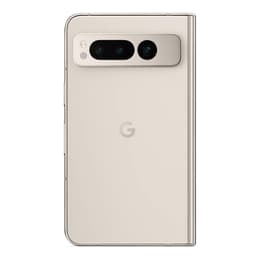
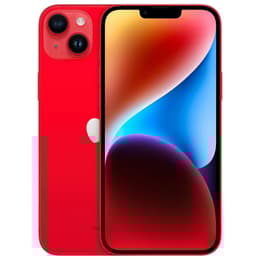
The Google Pixel Fold, released in June 2023, represents Google's entry into the foldable smartphone market, offering a unique form factor that transforms from a compact device into a larger tablet-like screen. In contrast, the iPhone 14 Plus, launched in September 2022, is a traditional large-screen smartphone from Apple, focusing on an expansive display within a familiar design. These devices operate on distinct ecosystems, with the Pixel Fold running on Android and the iPhone 14 Plus on iOS, each bringing its own set of software experiences and integrations.

Scores

Durability

When considering the long-term usability of these devices, their release timelines and software support are key factors.

  • Software Support: The Google Pixel Fold is expected to receive five years of OS and security updates from its release date, extending its support until at least June 2028. The iPhone 14 Plus, released a few months earlier, typically benefits from Apple's long-term iOS support, which often spans five to six years, suggesting updates will continue until at least 2027 or 2028.
  • Physical Durability: The iPhone 14 Plus features a Ceramic Shield front cover and an IP68 rating for water and dust resistance, contributing to its robust build. The Pixel Fold boasts an IPX8 water resistance rating, but as a foldable device, its inner screen is made of a plastic protective layer, which users have noted can be more susceptible to scratches and potential damage from extreme bending.
  • Expected Lifespan: Both devices are built to last, with their respective software update policies ensuring several years of current operating system features and security patches. The traditional design of the iPhone 14 Plus may offer a more predictable physical lifespan, while the innovative foldable design of the Pixel Fold introduces additional considerations regarding the longevity of its hinge and inner display.

Year of Release

2023

2022

Compatible with latest Update

Yes

Yes

OS

Android

iOS

Foldable

Yes

No

Performance

The performance of a smartphone is crucial for daily operations, from launching applications to managing multiple tasks simultaneously.

  • Processing Power: The Google Pixel Fold is equipped with a processor designed for efficient performance, paired with 12GB of RAM, enabling smooth navigation and capable handling of demanding applications and multitasking. The iPhone 14 Plus utilizes a powerful chip with 6GB of RAM, providing a responsive user experience and consistent performance across various tasks, including gaming and heavy app usage.
  • Storage Options: Both devices offer ample storage to accommodate user needs. The Pixel Fold is available with 256GB or 512GB of internal storage. The iPhone 14 Plus provides options for 128GB, 256GB, or 512GB of storage.
  • Battery Behavior: The Pixel Fold houses a 4821 mAh battery. While it can offer all-day power, particularly when the outer display is predominantly used, heavy reliance on the larger inner screen can lead to faster battery depletion. The iPhone 14 Plus, with its 4323 mAh battery, is recognized for its extended battery life, with many users reporting multi-day usage on a single charge.

Memory (GB)

12 GB

6 GB

Screen quality

The display is a primary interface for users, and both devices offer distinct visual experiences.

  • Display Technology and Size: The Google Pixel Fold features two OLED displays: a 5.8-inch outer screen and a 7.6-inch inner foldable screen. This allows for a versatile experience, offering a traditional smartphone form factor when closed and an expansive canvas when unfolded. The iPhone 14 Plus comes with a single 6.7-inch Super Retina XDR OLED display, providing a large, consistent viewing area.
  • Resolution and Clarity: The Pixel Fold's outer display has a resolution of 2092 x 1088 pixels, and its inner display offers 2208 x 1840 pixels. The iPhone 14 Plus features a resolution of 2778 x 1284 pixels, resulting in sharp and clear visuals.
  • Refresh Rate and Brightness: Both displays on the Pixel Fold support a 120Hz refresh rate, contributing to smoother scrolling and more fluid animations. Its peak brightness can reach up to 1450 nits for the inner screen and 1550 nits for the outer screen, offering good visibility in various lighting conditions. The iPhone 14 Plus has a standard 60Hz refresh rate and a peak brightness of 1200 nits, providing a vibrant and bright viewing experience.

Resolution

1840 x 2208

1284 x 2778

Screen type

Foldable OLED

Super Retina XDR OLED

Audiovisual

Camera capabilities are a significant consideration for many users, and both devices offer advanced systems for capturing photos and videos.

  • Rear Camera Systems: The Google Pixel Fold is equipped with a versatile triple-camera setup on the rear, including a 48MP main sensor with optical image stabilization, a 10.8MP ultrawide lens, and a 10.8MP telephoto lens capable of 5x optical zoom. This configuration allows for a range of photographic styles, with its telephoto lens being a notable feature. The iPhone 14 Plus features a dual-camera system with a 12MP main camera, which includes a larger sensor and optical image stabilization, and a 12MP ultrawide camera. It does not include a dedicated telephoto lens.
  • Photography Performance: The Pixel Fold is known for Google's advanced computational photography, delivering balanced and detailed images, with its 5x optical zoom being a highlight for capturing distant subjects. The iPhone 14 Plus provides excellent photo quality in various conditions, including improved low-light performance from its main sensor.
  • Video Recording and Front Cameras: Both devices support video recording up to 4K at 60 frames per second. The Pixel Fold has a 9.5MP front camera on its cover display and an 8MP camera on the inner display. The iPhone 14 Plus features a 12MP front-facing camera with autofocus, offering clear and sharp selfies. The iPhone 14 Plus also includes features like Action mode for stabilized video.

Main camera

48 megapixels

12 megapixels

Front camera

8 megapixels

12 megapixels

Miscellaneous

Beyond core features, several practical elements contribute to the overall user experience of these smartphones.

  • Connectivity and Ports: The Google Pixel Fold supports 5G, Wi-Fi 6E, and Bluetooth 5.2, and features a USB-C port for charging and data transfer. The iPhone 14 Plus offers 5G, Wi-Fi 6, and Bluetooth 5.3 connectivity, but uses Apple's proprietary Lightning port.
  • Biometric Authentication: For security and convenience, the Pixel Fold incorporates a side-mounted fingerprint sensor and face unlock. The iPhone 14 Plus relies on Face ID, Apple's facial recognition system.
  • Design and Handling: The Pixel Fold weighs 283g and has a unique design that is thicker when folded (12.1mm) and very thin when unfolded (5.8mm). Its build includes glass and an aluminum frame. The iPhone 14 Plus is lighter at 203g and has a consistent thickness of 7.8mm. It features a Ceramic Shield front and a glass back with an aluminum frame. For users in the US, the iPhone 14 Plus is eSIM-only, meaning it does not have a physical SIM card tray.

Weight

283 g

203 g

Screen size (in)

7.6

6.7

Network

5G

5G

SIM card

Physical SIM + eSIM

Physical SIM + eSIM

Carrier compatibility

Unlocked

Unlocked

Connector

USB-C

Lightning

The Google Pixel Fold and iPhone 14 Plus cater to different user preferences, primarily distinguished by their form factors and operating systems. Users often praise the Pixel Fold for its innovative foldable design, which provides a large inner display for enhanced multitasking and media consumption. Its camera system, particularly the 5x optical zoom, is also a frequent point of appreciation. However, some users have expressed concerns regarding the durability of the inner screen and its susceptibility to damage, as well as slower charging speeds compared to some competitors.

The iPhone 14 Plus is widely lauded for its exceptional battery life, often lasting multiple days for many users, and its expansive, vibrant display. Its consistent performance and reliable camera system are also strong points. Common criticisms include the standard 60Hz refresh rate of its display, the absence of a telephoto camera, and the continued use of the Lightning port.

Users prioritizing a versatile device with a large, adaptable screen for productivity and immersive content, coupled with Google's advanced camera processing, may find the Pixel Fold well-suited to their needs. Conversely, individuals who value extended battery life, a large traditional smartphone display, and the established iOS ecosystem with its consistent performance and camera quality will likely lean towards the iPhone 14 Plus. Both devices offer compelling features, and considering a quality-assured refurbished option can be an eco-friendly alternative for acquiring either model.
See all articles

Our recent comparisons