

Compare models
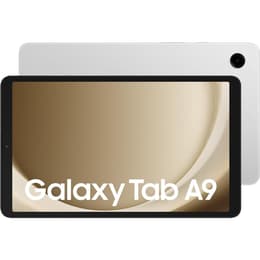
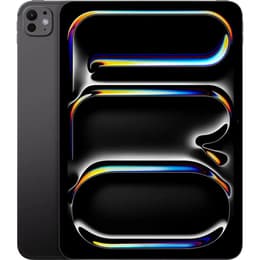
Galaxy Tab A9 (8.7", 2023) Vs iPad Pro (2025, M5 series)
- 1-year minimum warranty
- Free delivery on all orders
- Free 30-day returns
Differences at a glance
The Samsung Galaxy Tab A9 (2023) and the Apple iPad Pro (2025) represent entirely different segments of the modern tablet market, catering to vastly distinct usage expectations and portable computing styles. While the Galaxy Tab A9 functions as a compact, everyday media viewer running on the Android operating system, the iPad Pro is a high-performance powerhouse powered by iPadOS, designed for demanding workflows and heavy creative multitasking. Choosing between these two devices depends heavily on whether the user needs simple, pocket-friendly browsing or desktop-class performance capabilities.
Available Models
Colour
Storage
Scores
Durability
When examining longevity and durability, both tablets offer reliable long-term usability through different software ecosystems and physical construction standards.
- Software support timeline: The Apple iPad Pro benefits from extensive operating system updates spanning many years, whereas the Galaxy Tab A9 provides a more modest software support window typical of entry-level mobile devices.
- Build and repairability: The iPad Pro features a rigid aluminum chassis built for professional resilience, while the Galaxy Tab A9 utilizes a lightweight housing that prioritizes portability and straightforward daily handling.
- Expected practical lifespan: Users selecting the quality-assured refurbished option for either model can expect multiple years of reliable daily performance depending on their software requirements.
Year of Release
2023
2025
Compatible with latest Update
Yes
Yes
OS
Android
iPadOS
Performance
Performance capabilities vary dramatically between the two models, directly influencing how each device handles everyday tasks, storage configuration, and sustained multitasking.
- System responsiveness: The iPad Pro handles intensive rendering, heavy professional applications, and complex multitasking smoothly, while the Galaxy Tab A9 efficiently manages routine daily tasks like web browsing and video streaming.
- Storage and memory: The iPad Pro provides expansive storage tiers paired with high-bandwidth unified memory for demanding workloads, whereas the Galaxy Tab A9 offers standard storage capacities supplemented by expandable storage via a microSD card slot.
- Battery behavior: Both devices sustain a full day of typical mixed usage, though heavy processing on the iPad Pro draws more power due to its high-output components.
Screen quality
Display characteristics define the core visual experience, varying significantly in size, panel technology, and overall visual fidelity.
- Display technology: The iPad Pro features an advanced high-resolution screen with deep contrast and vibrant color accuracy, while the Galaxy Tab A9 utilizes a standard compact panel well-suited for casual media viewing.
- Brightness and outdoor use: The iPad Pro achieves high peak brightness levels for comfortable outdoor visibility, whereas the Galaxy Tab A9 performs adequately in indoor settings and shaded environments.
- Refresh rate and smoothness: The iPad Pro supports high refresh rates for fluid scrolling and responsive stylus input, while the Galaxy Tab A9 maintains a standard refresh rate tailored for basic navigation.
Resolution
800 x 1340
2420 x 1668
Screen type
TFT LCD
Ultra Retina XDR display
Audiovisual
Audio and visual capture capabilities differ substantially, reflecting the distinct design goals of each device category.
- Camera systems: The iPad Pro equips a versatile multi-lens rear camera setup alongside advanced LiDAR capabilities for augmented reality, whereas the Galaxy Tab A9 features a simple single rear camera suitable for basic document capture.
- Video and audio output: The iPad Pro delivers high-fidelity stereo sound through a multi-speaker array and clear multi-microphone recording, while the Galaxy Tab A9 provides standard dual-speaker sound for casual video playback and calls.
- Media consumption: Both tablets handle video streaming smoothly, though the immersive display and robust audio output of the iPad Pro elevate media consumption workflows.
Miscellaneous
Practical everyday features, physical dimensions, and connectivity options shape how comfortably each tablet integrates into daily routines.
- Portability and dimensions: The Galaxy Tab A9 offers a compact 8.7-inch form factor and light weight that fits easily into small bags or single hands, while the iPad Pro provides a much larger workspace surface area.
- Connectivity standards: The iPad Pro incorporates advanced wireless communication modules and high-speed data transfer ports, whereas the Galaxy Tab A9 relies on standard wireless protocols and a conventional physical interface.
- Authentication and sensors: The Galaxy Tab A9 uses software-based facial recognition, while the iPad Pro utilizes secure facial mapping sensors for system unlocking and authentication.
Weight
332 g
444 g
Screen size (in)
8.7
11
Network
Wi-Fi
Wi-Fi
Carrier compatibility
Unlocked
Without SIM Port
What the community thinks
User discussions across community forums frequently highlight the Galaxy Tab A9 for its highly portable, compact footprint and straightforward utility for reading or casual media consumption on the go. At the same time, community feedback surrounding the iPad Pro centers on its exceptional processing headroom, expansive display, and capability to replace traditional laptop setups for traveling professionals. Common criticisms for the smaller Samsung model focus on its basic screen resolution and limited multitasking space, while discussions on the Apple flagship often note its substantial physical footprint and complex feature set relative to casual needs.
Users prioritizing maximum portability, simple media playback, and a compact hand-held design will find the Galaxy Tab A9 well-suited to their daily routines. Conversely, users prioritizing advanced creative workflows, high-end display fidelity, and desktop-class performance will lean toward the iPad Pro. Selecting an eco-friendly refurbished option through Back Market allows buyers to acquire either device with quality-assured reliability while supporting sustainable technology choices. Ultimately, aligning the choice with specific productivity or mobility requirements ensures long-term satisfaction regardless of the model chosen.