

Compare models
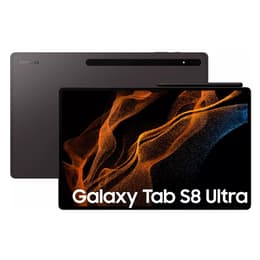
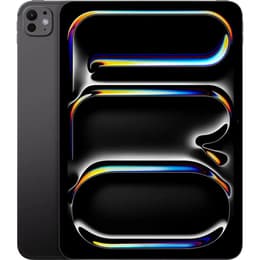
Galaxy Tab S8 (11.0", 2022) Vs iPad Pro (2025, M5 series)
- 1-year minimum warranty
- Free delivery on all orders
- Free 30-day returns
Differences at a glance
The Samsung Galaxy Tab S8 (2022) and the Apple iPad Pro (2025, M5 series) represent distinct approaches to high-performance portable computing. While both feature an 11-inch form factor, they operate on different software ecosystems and target varying user preferences in the tablet market.
Available Models
Colour
Storage
Scores
Durability
When evaluating the lifespan and software support of these two tablets, release timelines and manufacturer policies play major roles in determining long-term usability.
- Software support timelines: The iPad Pro benefits from Apple's extended update lifecycle, while the Galaxy Tab S8 operates under a structured multi-year Android update commitment.
- Repairability and build durability: Both devices feature robust aluminum frames, though overall repair accessibility varies depending on regional service options and hardware complexity.
- Expected practical lifespan: Users can anticipate several years of reliable daily operation from both platforms, with hardware longevity largely dictated by battery health and software optimization.
Year of Release
2022
2025
OS
Android
iPadOS
Performance
Processing power and daily operational speed differ significantly based on internal hardware architecture and memory configurations between the two models.
- Multitasking and system responsiveness: Both tablets handle everyday tasks like web browsing, media streaming, and document editing smoothly, though heavier workflows benefit from higher RAM allocations.
- App loading and gaming: Demanding applications and resource-intensive games run with high fidelity, with newer internal architectures offering additional headroom for complex processing.
- Battery behavior: Typical daily use yields stable power management across both models, though heavy sustained usage patterns result in varying discharge rates requiring regular recharging.
Screen quality
Display technology creates a noticeable difference in visual output, influencing outdoor legibility, color reproduction, and media consumption quality.
- Display panel technology: The Galaxy Tab S8 utilizes an LTPS TFT display with a smooth 120Hz refresh rate, whereas recent iPad Pro iterations incorporate advanced panel technology for deeper contrast and luminance.
- Outdoor visibility: Maximum brightness levels allow both screens to remain legible under direct lighting conditions, though reflective coatings vary between manufacturers.
- Viewing experience: High pixel densities ensure sharp text rendering and clear image details across both 11-inch display surfaces.
Resolution
1600 x 2560
2420 x 1668
Screen type
TFT LCD
Ultra Retina XDR display
Audiovisual
Optics and audio hardware cater to video conferencing, casual photography, and multimedia consumption differently across both platforms.
- Camera capabilities: Both models feature front-facing wide lenses optimized for video calls, paired with rear camera configurations suitable for document scanning and casual snapshots.
- Microphone and speaker output: Multi-speaker arrays deliver clear audio separation for media playback, supported by beamforming microphone setups for calls.
- Low-light performance: Everyday lighting conditions yield clear results, while low-light environments introduce varying levels of digital noise depending on sensor processing.
Miscellaneous
Physical dimensions, accessory integration, and connectivity standards dictate how each device fits into daily portable workflows.
- Portability and handling: Both tablets maintain slim profiles near the 11-inch mark, making them easy to pack into bags for travel or daily commuting.
- Connectivity options: Modern wireless standards, including Wi-Fi iterations and optional cellular data support, ensure stable network connections on the go.
- Included accessories: The Galaxy Tab S8 includes a stylus in the box, whereas Apple's ecosystem requires separate peripheral purchases for advanced stylus or keyboard input.
Weight
503 g
444 g
Screen size (in)
11.0
11
Network
Wi-Fi
Wi-Fi
Carrier compatibility
Unlocked
Without SIM Port
What the community thinks
User feedback from online communities highlights distinct preferences for each tablet. Galaxy Tab S8 users frequently praise the inclusion of the stylus and the flexibility of the Android file system, though some note that older software versions receive fewer feature updates over time. Conversely, iPad Pro owners highlight the exceptional fluidity of the display and long-term processor capability, while occasionally mentioning the higher cost of proprietary accessories as a drawback. Choosing between them depends heavily on your preferred software ecosystem and accessory requirements.
Users prioritizing a bundled stylus and open file management will find the Galaxy Tab S8 well-suited to their workflow. Meanwhile, users prioritizing maximum processing headroom and long-term software updates may lean toward the iPad Pro. Exploring a quality-assured refurbished option provides an eco-friendly way to acquire either model while supporting sustainable technology choices.