

iPad 9 (2021, A13 series) Vs iPad 10 (2022, A14 series)

iPad 9 (2021, A13 series)
Starting at

Refurbished price:178.00

Versus €429.00 new

See options
iPad 10 (2022, A14 series)
Starting at

Refurbished price:281.00

Versus €449.00 new

See options

Ratings

The iPad (9th generation), released in September 2021, and the iPad (10th generation), launched in October 2022, represent Apple's entry-level tablet offerings. While both devices operate on iPadOS and provide a consistent user experience, the 10th generation model introduces a refreshed design, updated internal components, and modern connectivity options that differentiate it from its predecessor.

Scores

Durability

When considering the longevity of these tablets, several factors come into play, including their release timelines, software support, and physical design.

  • Release Timeline: The iPad (9th generation) was released in September 2021, while the iPad (10th generation) followed in October 2022. This difference in launch date means the 10th generation device will likely receive software updates for approximately one year longer than the 9th generation model, extending its practical lifespan for users who prioritize the latest iPadOS features.
  • Software Longevity: Both iPads are expected to receive several years of iPadOS updates, ensuring access to new features, security patches, and app compatibility. The newer 10th generation, by virtue of its later release, offers a slightly longer window of official software support.
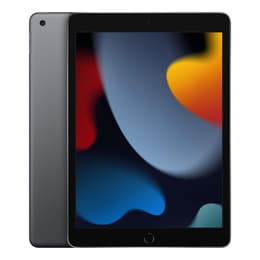
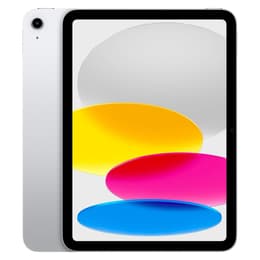
  • Repairability and Design: The iPad (9th generation) retains the classic iPad design with a home button and thicker bezels, while the 10th generation adopts a more contemporary, all-screen aesthetic with flat edges and Touch ID integrated into the power button. This design shift in the 10th generation aligns it with more recent iPad models, potentially influencing perceived longevity and accessory compatibility.

Year of Release

2021

2022

Compatible with latest Update

Yes

Yes

OS

iPadOS

iPadOS

Maximum Operating System supported

iPadOS 18

iPadOS 18

Performance

Both iPad models offer capable performance for everyday tasks, but the newer model features an updated processor that provides a modest boost in speed and efficiency.

  • Processing Power: The iPad (9th generation) is equipped with a processor that handles common applications, web browsing, and light gaming smoothly. The iPad (10th generation) features a newer generation processor, which offers improved performance for more demanding applications, multitasking, and graphically intensive games. This translates to slightly faster app loading times and a more responsive overall experience on the 10th generation device.
  • Multitasking and Responsiveness: The iPad (10th generation) includes 4GB of RAM, an increase from the 3GB in the 9th generation model. This additional memory allows the 10th generation to manage more applications simultaneously and switch between them with greater fluidity, benefiting users who frequently multitask.
  • Storage Options: Both models are available with 64GB or 256GB of internal storage, providing sufficient space for apps, media, and documents for most users.

Memory (GB)

3 GB

4 GB

Processor

Apple A13 Bionic

Apple A14 Bionic

Screen quality

The display experience on both iPads is clear and vibrant, though the 10th generation offers a larger screen within a similar physical footprint.

  • Display Technology and Size: The iPad (9th generation) features a 10.2-inch Retina display, while the iPad (10th generation) boasts a larger 10.9-inch Liquid Retina display. Both utilize LED-backlit IPS technology, offering good color reproduction and viewing angles. The 10th generation's larger screen, combined with reduced bezels and rounded corners, provides a more expansive viewing area.
  • Resolution and Brightness: Both displays offer a pixel density of 264 pixels per inch (ppi) and a typical brightness of 500 nits, ensuring sharp text and adequate visibility in various lighting conditions. They also include True Tone technology, which automatically adjusts the display's color temperature to match ambient light.
  • Lamination: Neither the 9th nor the 10th generation iPad features a fully laminated display. This means there is a slight gap between the display panel and the cover glass, which can be noticeable when using an Apple Pencil for precise tasks.

Resolution

2160 x 1620

2360 x 1640

True Tone

Yes

Yes

Pro-Motion

No

No

Screen type

Retina display

Liquid Retina display

Pixel density

264ppp

264ppp

Brightness

500 nits brightness

500 nits brightness

Sound quality

Speakers

Stereo speakers

Stereo speakers

Audiovisual

Both iPads are equipped with capable camera systems for a tablet, with the 10th generation offering improvements in both rear camera capabilities and front camera placement.

  • Rear Camera: The iPad (9th generation) includes an 8MP wide rear camera capable of recording 1080p video. The iPad (10th generation) upgrades to a 12MP wide rear camera, which supports 4K video recording and features Smart HDR 3 for improved image quality in challenging lighting.
  • Front Camera and Video Calls: Both models feature a 12MP ultra-wide front camera with Center Stage, which automatically keeps subjects in the frame during video calls. A key difference is the placement: the 9th generation's front camera is on the short edge, while the 10th generation's is repositioned to the longer, landscape edge, making it more natural for video conferencing when the tablet is used horizontally.
  • Audio Experience: The iPad (9th generation) features stereo speakers located on one side. The iPad (10th generation) offers landscape stereo speakers, providing a more immersive audio experience, particularly for media consumption when held horizontally. Both include microphones suitable for calls and voice recordings.

Miscellaneous

Beyond core features, several practical elements distinguish these two iPad models, impacting connectivity, accessory compatibility, and overall handling.

  • Connectivity and Ports: The iPad (9th generation) uses a Lightning port for charging and accessories, and supports Wi-Fi 5 (802.11ac) and Bluetooth 4.2. The iPad (10th generation) transitions to a USB-C port, offering broader compatibility with modern accessories and faster data transfer speeds. It also supports newer wireless standards, including Wi-Fi 6 (802.11ax) and Bluetooth 5.2, and cellular models offer 5G connectivity compared to the 9th generation's LTE.
  • Accessory Support: Both iPads are compatible with the 1st generation Apple Pencil, though the 10th generation requires a USB-C to Lightning adapter for charging and pairing due to its USB-C port. The 10th generation also supports the Apple Pencil (USB-C) and the Magic Keyboard Folio, while the 9th generation works with the Smart Keyboard.
  • Physical Design and Sensors: The iPad (9th generation) maintains the traditional design with a physical home button housing Touch ID. The iPad (10th generation) adopts a more modern, edge-to-edge display design, relocating Touch ID to the power button on the top edge. The 10th generation is slightly lighter and features a more uniform bezel design.

Weight

487 g

477 g

Width

17.41 cm

17.95 cm

Height

25.06 cm

24.86 cm

Depth

0.75 cm

0.7 cm

Screen size (in)

10.2

10.9

Network

Wi-Fi

Wi-Fi

Carrier compatibility

Without SIM Port

Without SIM Port

Wi-Fi technology

Wi-Fi 6 802.11a/b/g/n/ac

Wi-Fi 6 802.11ax

Bluetooth Version

Bluetooth 4.2

Bluetooth 5.2

Face ID

No

No

Touch ID

Yes

Yes

Connector

Lightning connector

USB Type-C

User feedback on platforms like Reddit indicates that both the iPad (9th generation) and iPad (10th generation) are well-regarded for their core tablet functionalities. The 9th generation is frequently praised for its solid performance for everyday use and its continued value, particularly for those who appreciate the traditional home button and headphone jack. Criticisms often center on its older design and Lightning port in comparison to newer models.

The iPad (10th generation) receives positive remarks for its modern design, larger display, and the convenience of its USB-C port and landscape-oriented front camera, which is particularly beneficial for video calls. Some initial concerns from users revolved around its launch positioning and the adapter needed for the 1st generation Apple Pencil.

Users prioritizing a familiar design, a physical home button, and a headphone jack may find the iPad (9th generation) well-suited to their needs. It remains a capable device for web browsing, media consumption, and productivity. Conversely, users who value a contemporary aesthetic, a larger screen, USB-C connectivity, and an improved video calling experience will likely lean towards the iPad (10th generation). This model is ideal for those seeking a more modern tablet experience for daily tasks, light creative work, and staying connected. Both devices offer a reliable entry into the iPad ecosystem, and considering a quality-assured refurbished option for either model can be an eco-friendly alternative.

See all articles

Our recent comparisons