

iPad 7 (2019, A10 series) Vs iPad 9 (2021, A13 series)

iPad 7 (2019, A10 series)
Starting at

Refurbished price:114.00

Versus €399.00 new

See options
iPad 9 (2021, A13 series)
Starting at

Refurbished price:178.00

Versus €429.00 new

See options

Ratings

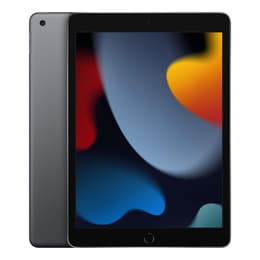
The iPad (7th generation), released in 2019, and the iPad (9th generation), launched in 2021, represent Apple's entry-level tablet offerings. While both devices share a similar design and the foundational iPadOS experience, the 9th generation model introduces notable enhancements in processing power, front-facing camera capabilities, and display technology. Both tablets are designed to provide a versatile computing experience, running on Apple's dedicated tablet operating system, iPadOS.

Scores

Durability

The longevity of a tablet is often determined by its software support and physical durability. Both the iPad 7th and 9th generations are built with similar aluminum enclosures, offering comparable physical resilience in daily use.

  • Release Timeline: The iPad (7th generation) was released in September 2019, while the iPad (9th generation) followed in September 2021. This two-year difference in release directly impacts their expected software support lifespan.
  • OS Support Duration: The iPad (7th generation) is expected to receive major iPadOS updates up to iPadOS 18, which means it is likely nearing the end of its major software update cycle as of early 2026. The iPad (9th generation), being newer, is anticipated to receive regular iPadOS updates until around 2026, with security patches and minor updates potentially extending until 2028.
  • Practical Lifespan: Users can expect the iPad (9th generation) to remain fully functional and compatible with the latest applications for a longer period due to its more recent release and extended software support. Both models maintain similar repairability characteristics, typical for Apple's standard iPad line.

Year of Release

2019

2021

Compatible with latest Update

Yes

Yes

OS

iPadOS

iPadOS

Maximum Operating System supported

iPadOS 18

iPadOS 18

Performance

Performance is a key differentiator between these two iPad models, primarily due to their internal processing units and storage configurations.

  • Processor Capabilities: The iPad (7th generation) is equipped with a processor that handles everyday tasks such as web browsing, email, and streaming media efficiently. It can manage light gaming and multitasking, though it may exhibit slower performance with more demanding applications or intensive multitasking scenarios. The iPad (9th generation) features a significantly more capable processor, enabling smoother operation for demanding apps, graphic-intensive games, and more fluid multitasking. This allows for a more responsive experience across a wider range of activities.
  • Storage Options: The iPad (7th generation) was available with 32GB or 128GB of internal storage. The iPad (9th generation) offers more generous base storage, starting at 64GB and also available in a 256GB configuration, providing more space for apps, media, and documents.
  • System Responsiveness: While both devices offer a generally smooth user experience for their respective capabilities, the newer model provides a noticeable improvement in overall system responsiveness, app loading times, and handling of complex operations due to its enhanced processing power.

Memory (GB)

3 GB

3 GB

Processor

Apple A10 Fusion

Apple A13 Bionic

Screen quality

Both iPad models feature a consistent display size and resolution, but the newer generation introduces an enhancement for a more adaptive viewing experience.

  • Display Technology and Size: Both the iPad (7th generation) and iPad (9th generation) feature a 10.2-inch Retina IPS LCD display with a resolution of 2160 x 1620 pixels, resulting in a pixel density of 264 pixels per inch (ppi). They both offer a typical brightness of 500 nits, ensuring clear visuals in various indoor lighting conditions.
  • Clarity and Viewing Experience: The clarity and sharpness for viewing content, reading, and general use are largely similar across both models due to their identical resolution and pixel density. Both displays are suitable for media consumption and productivity tasks.
  • Adaptive Display Feature: A key difference is the inclusion of True Tone technology in the iPad (9th generation). This feature automatically adjusts the display's color temperature to match the ambient light in the environment, providing a more natural and comfortable viewing experience, especially over extended periods. The iPad (7th generation) does not include True Tone.

Resolution

2160 x 1620

2160 x 1620

True Tone

No

Yes

Pro-Motion

No

No

Screen type

Retina display

Retina display

Pixel density

264ppp

264ppp

Brightness

500 nits brightness

500 nits brightness

Sound quality

Speakers

Stereo speakers

Stereo speakers

Audiovisual

The camera systems on these two iPad models show a significant upgrade in the front-facing camera, while the rear camera remains consistent.

  • Rear Camera: Both the iPad (7th generation) and iPad (9th generation) are equipped with an 8MP Wide rear camera with an f/2.4 aperture. This camera is suitable for general photography, scanning documents, and casual video recording, offering similar performance in well-lit conditions.
  • Front Camera and Video Calls: The front camera is where the 9th generation iPad offers a substantial improvement. The iPad (7th generation) features a 1.2MP FaceTime HD camera. In contrast, the iPad (9th generation) boasts a 12MP Ultra Wide front camera with a 122° field of view and the Center Stage feature. Center Stage automatically keeps the user centered in the frame during video calls, which is particularly beneficial for virtual meetings and family chats.
  • Video Recording Quality: Both models support 1080p HD video recording with their respective cameras, providing clear video capture for everyday use. The enhanced front camera on the 9th generation also improves the quality of video calls.

Miscellaneous

Beyond core performance and display, several practical features contribute to the overall user experience of these tablets.

  • Connectivity Standards: Both the iPad (7th generation) and iPad (9th generation) support Wi-Fi 802.11ac (Wi-Fi 5) for wireless internet access and Bluetooth 4.2 for connecting accessories. This ensures reliable wireless connections for most common uses.
  • Physical Ports and Biometrics: Both models retain the Lightning port for charging and data transfer, a 3.5mm headphone jack for wired audio, and a Smart Connector for attaching accessories like the Smart Keyboard. For security and convenience, both iPads feature Touch ID, integrated into the home button, for fingerprint authentication.
  • Dimensions and Handling: The physical dimensions of both tablets are nearly identical, measuring 250.6 mm in height, 174.1 mm in width, and 7.5 mm in depth. Their weights are also very similar, with Wi-Fi models around 483-487 grams and cellular models around 493-498 grams, making them equally portable and comfortable to handle. Both devices are compatible with the 1st generation Apple Pencil and the Apple Smart Keyboard.

Weight

483 g

487 g

Width

17.41 cm

17.41 cm

Height

25.06 cm

25.06 cm

Depth

0.75 cm

0.75 cm

Screen size (in)

10.2

10.2

Network

Wi-Fi

Wi-Fi

Carrier compatibility

Without SIM Port

Without SIM Port

Wi-Fi technology

Wi-Fi 6 802.11a/b/g/n/ac

Wi-Fi 6 802.11a/b/g/n/ac

Bluetooth Version

Bluetooth 4.2

Bluetooth 4.2

Face ID

No

No

Touch ID

Yes

Yes

Connector

Lightning connector

Lightning connector

User feedback for the iPad (7th generation) often highlights its suitability for basic tasks such as web browsing, email, and media consumption, noting its decent battery life. However, some users find it showing its age, particularly when handling more demanding applications or expecting long-term software support. The iPad (9th generation), on the other hand, receives praise for its robust performance, significantly improved front camera with Center Stage, and the addition of True Tone display technology. It is frequently recommended as a versatile and long-lasting option for a broad range of users.

For users whose primary needs revolve around casual use, such as reading, light entertainment, and basic productivity, the iPad (7th generation) may still serve as a functional device. However, those prioritizing a more responsive experience, enhanced video calling capabilities, and a longer period of software updates will find the iPad (9th generation) better suited to their needs. The increased base storage and more powerful processor of the 9th generation also make it a more capable device for multitasking and future-proofing. When considering either model, exploring quality-assured refurbished options can provide an eco-friendly alternative for acquiring these devices.

See all articles

Our recent comparisons