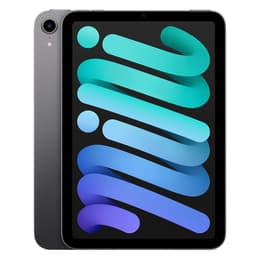


iPad 9 (2021, A13 series) Vs iPad mini 6 (2021, A15 series)

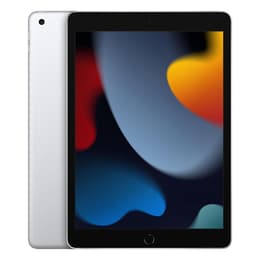
iPad 9 (2021, A13 series)
Starting at

Refurbished price:178.00

Versus €429.00 new

See options
iPad mini 6 (2021, A15 series)
Starting at

Refurbished price:313.00

Versus €669.00 new

See options

Ratings

The iPad (9th generation), released in September 2021, and the iPad Mini (6th generation), also launched in September 2021, represent distinct approaches to Apple's tablet lineup. While both devices operate on iPadOS, they cater to different user preferences primarily through their size and internal processing capabilities. The iPad (9th generation) offers a larger display and a more traditional design, whereas the iPad Mini (6th generation) provides enhanced portability and a more modern feature set.

Scores

Durability

Both the iPad (9th generation) and the iPad Mini (6th generation) were released in September 2021, placing them at a similar starting point for their operational lifespan. However, differences in their internal components may influence their long-term software support and practical usability.

  • Software Support: The iPad (9th generation) features an A13 Bionic chip, while the iPad Mini (6th generation) is equipped with a more recent A15 Bionic chip. Devices with newer processors typically receive major iPadOS updates for a longer duration. The iPad 9th generation is expected to receive regular iPadOS updates until around 2026, with security patches potentially extending to 2028. The iPad Mini 6th generation, with its A15 chip, is likely to receive software updates for a year or two longer, offering extended longevity in terms of new features and security.
  • Repairability: Both models generally offer comparable repairability within Apple's ecosystem. The availability of parts and service for both devices is expected to remain consistent for several years following their release.
  • Practical Lifespan: Users can expect both tablets to remain functional for everyday tasks for many years. However, the iPad Mini's more powerful processor and newer design elements may allow it to handle more demanding applications and future software advancements more effectively over time.

Year of Release

2021

2021

Compatible with latest Update

Yes

Yes

OS

iPadOS

iPadOS

Maximum Operating System supported

iPadOS 18

iPadOS 18

Performance

The performance of these two iPads is a key differentiator, largely due to their respective processors and RAM configurations.

  • Processing Power: The iPad (9th generation) is powered by the A13 Bionic chip, which provides smooth performance for general use, web browsing, and most applications. It handles multitasking and casual gaming effectively. The iPad Mini (6th generation), however, features the A15 Bionic chip, which offers a noticeable boost in speed and efficiency. This allows the iPad Mini to manage more demanding applications, graphic-intensive games, and complex workflows with greater responsiveness and fluidity.
  • Multitasking and Responsiveness: The iPad (9th generation) comes with 3GB of RAM, which is sufficient for typical multitasking scenarios. The iPad Mini (6th generation) includes 4GB of RAM, contributing to smoother transitions between apps and better handling of multiple applications running simultaneously.
  • Storage Options: Both models are available with 64GB or 256GB of internal storage, providing options for users based on their content and application needs.

Memory (GB)

3 GB

4 GB

Processor

Apple A13 Bionic

Apple A15 Bionic

Screen quality

The display experience varies significantly between the two tablets, primarily due to their size, technology, and additional features.

  • Display Technology and Size: The iPad (9th generation) features a 10.2-inch Retina IPS LCD display with a resolution of 2160 x 1620 pixels, resulting in a pixel density of 264 pixels per inch (ppi). The iPad Mini (6th generation) has a smaller 8.3-inch Liquid Retina IPS LCD display with a higher resolution of 2266 x 1488 pixels, yielding a sharper pixel density of 326 ppi.
  • Visual Enhancements: The iPad Mini's display includes a wider color (P3) gamut, True Tone technology, and an anti-reflective coating, which contribute to more accurate colors, automatic color temperature adjustment based on ambient light, and reduced glare in bright environments. The iPad (9th generation) also features True Tone but lacks the wider color gamut and anti-reflective coating.
  • Brightness and Lamination: Both displays offer a typical brightness of 500 nits. The iPad Mini's screen is fully laminated, meaning there is no air gap between the glass and the display panel, which can make content appear closer to the surface and improve touch responsiveness. The iPad (9th generation) does not have a fully laminated display.

Resolution

2160 x 1620

2266 x 1488

True Tone

Yes

Yes

Pro-Motion

No

No

Screen type

Retina display

Liquid Retina display

Pixel density

264ppp

326ppp

Brightness

500 nits brightness

500 nits brightness

Sound quality

Speakers

Stereo speakers

Stereo speakers (landscape)

Audiovisual

Both iPads are equipped with capable camera systems, but the iPad Mini (6th generation) offers more advanced specifications for both photography and videography.

  • Rear Camera System: The iPad (9th generation) features an 8-megapixel wide camera on the rear. The iPad Mini (6th generation) comes with a 12-megapixel wide camera, providing more detail in photos. The iPad Mini also includes a Quad-LED True Tone flash, which is absent on the iPad (9th generation).
  • Front Camera System: Both tablets are equipped with a 12-megapixel Ultra Wide front camera with Center Stage, a feature that automatically keeps subjects in the frame during video calls.
  • Video Recording Capabilities: The iPad Mini (6th generation) supports 4K video recording at up to 60 frames per second (fps), while the iPad (9th generation) records video at up to 1080p HD at 30 fps. This makes the iPad Mini a more versatile option for users who prioritize higher quality video capture.

Miscellaneous

Beyond core performance and display, several practical features and design elements distinguish these two tablets.

  • Connectivity: The iPad (9th generation) supports Wi-Fi 5 (802.11ac) and Bluetooth 4.2. Cellular models offer Gigabit-class LTE. The iPad Mini (6th generation) features newer Wi-Fi 6 (802.11ax) and Bluetooth 5.0, providing faster and more reliable wireless connections. Its cellular models also support 5G connectivity.
  • Ports and Accessories: The iPad (9th generation) retains the Lightning port and a 3.5mm headphone jack. It is compatible with the 1st generation Apple Pencil and the Smart Keyboard. The iPad Mini (6th generation) adopts a more modern USB-C port, offering greater versatility for charging and connecting accessories. It supports the 2nd generation Apple Pencil, which attaches magnetically and charges wirelessly.
  • Design and Handling: The iPad (9th generation) has a traditional design with thicker bezels and a home button with Touch ID, weighing around 487-498 grams. The iPad Mini (6th generation) features a more contemporary design with slimmer bezels and Touch ID integrated into the top button, making it significantly lighter at approximately 293-297 grams. Its compact size (195.4 x 134.8 x 6.3 mm) makes it highly portable compared to the iPad (9th generation)'s larger dimensions (250.6 x 174.1 x 7.5 mm).

Weight

487 g

293 g

Width

17.41 cm

13.48 cm

Height

25.06 cm

19.54 cm

Depth

0.75 cm

0.63 cm

Screen size (in)

10.2

8.3

Network

Wi-Fi

Wi-Fi

Carrier compatibility

Without SIM Port

Without SIM Port

Wi-Fi technology

Wi-Fi 6 802.11a/b/g/n/ac

Wi-Fi 6 802.11ax

Bluetooth Version

Bluetooth 4.2

Bluetooth 5.0

Face ID

No

No

Touch ID

Yes

Yes

Connector

Lightning connector

USB Type-C

User sentiment for the iPad (9th generation) often highlights its value as a general-purpose tablet, particularly for those who appreciate a larger screen for media consumption and basic productivity. Many users find its performance sufficient for everyday tasks and appreciate the continued inclusion of the headphone jack. However, common criticisms include its dated design with thick bezels and the use of the Lightning port, which is less versatile than USB-C.

The iPad Mini (6th generation) is frequently praised for its exceptional portability, modern design, and powerful performance in a compact form factor. Users often commend its USB-C port, support for the 2nd generation Apple Pencil, and improved display quality. Some users, however, find the smaller screen size less ideal for extensive multitasking or detailed work, and a few have noted a 'jelly scroll' effect, though this is not universally experienced.

Users prioritizing a larger screen for general use, media viewing, and light productivity, and who may already own 1st generation Apple Pencil accessories, will find the iPad (9th generation) well-suited to their needs. Its traditional design and larger display make it a comfortable choice for desk-based use or for those who prefer more screen real estate.

Conversely, users who value portability, a modern design, and higher performance for more demanding tasks, creative work, or on-the-go use will likely lean towards the iPad Mini (6th generation). Its compact size, USB-C connectivity, and 2nd generation Apple Pencil support make it an excellent choice for travelers, students, or anyone needing a powerful tablet that fits easily into a small bag.

For those considering either device, exploring quality-assured refurbished options can provide an eco-friendly alternative, allowing access to these capable tablets while making a sustainable choice.

See all articles

Our recent comparisons