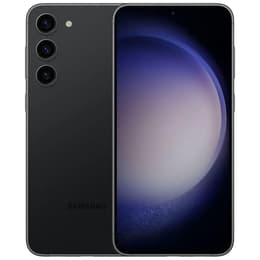
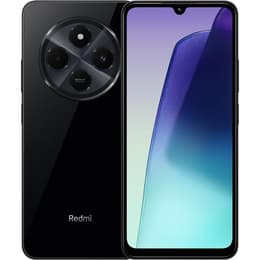


Galaxy S23+ Vs Xiaomi Redmi 14C

Galaxy S23+
Galaxy S23+
Starting at

Refurbished price:307.20

Versus €1,072.00 new

See options
Xiaomi Redmi 14C
Xiaomi Redmi 14C
Starting at

Refurbished price:128.20

Versus €189.00 new

See options

Ratings

The Samsung Galaxy S23 Plus, released in February 2023, and the Xiaomi Redmi 14C, launched around August 2024, represent distinct segments of the smartphone market. While the Galaxy S23 Plus is a premium device offering advanced features and performance, the Redmi 14C focuses on delivering essential smartphone capabilities with a strong emphasis on value. Both devices operate on the Android platform, but with different custom user interfaces: Samsung's One UI and Xiaomi's HyperOS.

Scores

Durability

The longevity of a smartphone is influenced by its build quality, software support, and repairability. These two devices offer different expectations in these areas.

  • Release Timeline and Software Support: The Galaxy S23 Plus, released in early 2023, is expected to receive four major Android OS updates and five years of security updates from Samsung, extending its software relevance well into the future. The Redmi 14C, launched in late 2024, typically receives two major Android updates and four years of security patches, offering a shorter but still reasonable support period for its segment.
  • Build Materials and Durability: The Galaxy S23 Plus features a premium construction with Gorilla Glass Victus 2 on both the front and back, along with an Armor Aluminum frame, providing enhanced resistance to drops and scratches. It also boasts an IP68 rating for dust and water resistance. The Redmi 14C typically uses a glass front, plastic frame, and either a glass or eco-leather back, offering a sturdy build but without the same level of advanced ingress protection.
  • Repairability: The Redmi 14C has an average repairability score, with some components being accessible but others requiring more complex disassembly due to adhesive use. Information on the specific repairability score for the Galaxy S23 Plus is less readily available, but as a flagship device, its repair can often be intricate and may require specialized tools.

Year of Release

2023

2024

Compatible with latest Update

Yes

Yes

OS

Android

Android

Foldable

No

No

Performance

Performance is a key differentiator, impacting how smoothly applications run and how efficiently the device handles demanding tasks.

  • Processing Power: The Galaxy S23 Plus is equipped with a high-performance processor designed for demanding applications and seamless multitasking, ensuring a fluid user experience even with intensive gaming or video editing. The Redmi 14C features a processor suitable for everyday tasks like browsing, social media, and light gaming, providing a responsive experience for general use.
  • Storage and RAM: The Galaxy S23 Plus comes with 8GB of RAM and fast internal storage options (256GB, 512GB), contributing to quick app loading and efficient data handling. The Redmi 14C offers various configurations, including 4GB, 6GB, or 8GB of RAM and 128GB or 256GB of internal storage, which is typically eMMC 5.1, and supports expandable storage via microSD.
  • Battery Behavior: The Galaxy S23 Plus, with its 4700 mAh battery and efficient processor, is noted for its excellent battery life, often lasting up to two days with moderate use. The Redmi 14C features a larger 5160 mAh battery, but user reports indicate its real-world endurance is around 39 hours of moderate use, which is considered average for its category.

Memory (GB)

8 GB

4 GB

Screen quality

The display is the primary interface for user interaction, and both devices offer different visual experiences.

  • Display Technology and Resolution: The Galaxy S23 Plus features a 6.6-inch Dynamic AMOLED 2X display with a Full HD+ resolution (2340 x 1080 pixels), offering vibrant colors, deep blacks, and excellent contrast. The Redmi 14C has a larger 6.88-inch IPS LCD panel with an HD+ resolution (720 x 1640 pixels), which provides a larger viewing area but with less sharpness.
  • Brightness and Refresh Rate: The Galaxy S23 Plus boasts a peak brightness of 1750 nits, ensuring excellent visibility even in bright outdoor conditions, and an adaptive refresh rate of 48-120Hz for smooth scrolling and animations. The Redmi 14C offers a 120Hz refresh rate for smooth visuals and a peak brightness of up to 600 nits, which is suitable for indoor use but may be less optimal in direct sunlight.
  • Viewing Experience: The Galaxy S23 Plus provides a premium viewing experience with its high-resolution AMOLED screen, making it well-suited for media consumption and detailed content. The Redmi 14C's larger screen is beneficial for users who prefer more screen real estate for browsing and casual media viewing, though the lower resolution means individual pixels may be more discernible.

Resolution

1080 x 2340

720 x 1640

Screen type

Dynamic AMOLED 2X

IPS LCD

Audiovisual

Camera capabilities vary significantly between these two smartphones, catering to different photography needs and expectations.

  • Rear Camera System: The Galaxy S23 Plus features a versatile triple-camera setup, including a 50MP main sensor with optical image stabilization, a 12MP ultrawide lens, and a 10MP telephoto lens with 3x optical zoom, capable of capturing detailed photos across various scenarios and recording 8K video at 30fps. The Redmi 14C typically includes a 50MP main camera and an auxiliary lens, designed for everyday photography and 1080p video recording at 30fps.
  • Front Camera Performance: The Galaxy S23 Plus is equipped with a 12MP front camera, offering clear selfies and improved low-light performance. The Redmi 14C features a 13MP front camera, which includes features like beautification modes and a soft light ring for better selfies in varied lighting conditions.
  • Photography Features: The Galaxy S23 Plus offers advanced camera features such as enhanced low-light photography, improved zoom capabilities, and various professional modes. The Redmi 14C focuses on delivering reliable performance for casual photography, with features like HDR and portrait modes.

Main camera

50 megapixels

50 megapixels

Front camera

12 megapixels

13 megapixels

Miscellaneous

Beyond core features, several practical elements contribute to the overall user experience of these devices.

  • Connectivity and Ports: The Galaxy S23 Plus supports 5G connectivity, Wi-Fi 6E, and Bluetooth 5.3, along with a USB-C 3.2 port for fast data transfer and charging. The Redmi 14C supports 4G connectivity, Wi-Fi 5, and Bluetooth 5.4, featuring a USB Type-C port and retaining a 3.5mm headphone jack.
  • Biometric Security and Sensors: Both devices offer biometric security options. The Galaxy S23 Plus includes an ultrasonic in-display fingerprint sensor and face recognition. The Redmi 14C features a side-mounted fingerprint sensor and AI face unlock.
  • Design and Handling: The Galaxy S23 Plus has a sleek design with premium materials, measuring 157.8 x 76.2 x 7.6 mm and weighing 195g, offering a balanced feel in hand. The Redmi 14C is a larger device at 171.88 x 77.8 x 8.22 mm and weighs between 204-211g, providing a substantial feel.

Weight

168 g

207 g

Screen size (in)

6.6

6.88

Network

5G

4G

SIM card

Physical SIM + eSIM

Dual Physical SIM

Carrier compatibility

Unlocked

Unlocked

User feedback for the Samsung Galaxy S23 Plus often highlights its robust performance, excellent camera system, and impressive battery life as key strengths. Users appreciate the vibrant display and the overall premium feel of the device. Some common observations include its iterative design compared to its predecessor and the absence of certain advanced features found in the Ultra model.

For the Xiaomi Redmi 14C, users frequently praise its large, smooth 120Hz display and solid battery life for its category. The camera performance is generally considered good for everyday use, and the inclusion of features like NFC and a headphone jack are often noted positively. Criticisms sometimes point to the HD+ resolution on a large screen, the presence of pre-installed software, and the processor's limitations for very demanding tasks.

Users prioritizing a premium experience with top-tier performance, advanced camera capabilities, and extended software support will find the Samsung Galaxy S23 Plus well-suited to their needs. Its bright AMOLED display and durable build make it a strong contender for those seeking a flagship-level device. Conversely, users who prioritize a large, smooth display for media consumption, reliable everyday performance, and essential features without requiring the absolute latest in processing power or camera technology may lean toward the Xiaomi Redmi 14C. This device offers a practical and feature-rich experience for general smartphone use.

Both models are available as quality-assured refurbished options, providing an eco-friendly alternative for consumers looking to make informed and sustainable choices.


See all articles

Our recent comparisons






