

Galaxy A15 5G Vs Xiaomi 14T Pro

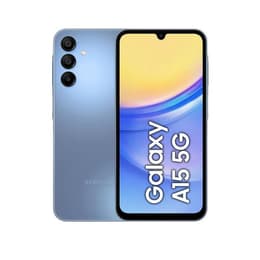
Galaxy A15 5G
Galaxy A15 5G
Starting at

Refurbished price:124.00

Versus €248.54 new

See options
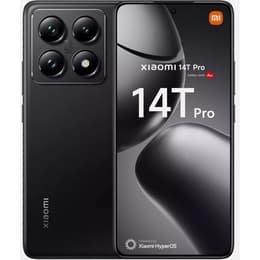
Xiaomi 14T Pro
Xiaomi 14T Pro
Starting at

Refurbished price:395.00

Versus €1,500.00 new

See options

Ratings

The Samsung Galaxy A15 5G, released in late 2023, and the Xiaomi 14T Pro, launched in September 2024, are both smartphones operating on the Android platform. While the Galaxy A15 5G positions itself as a device for essential daily tasks, the Xiaomi 14T Pro aims for a more performance-oriented experience. The primary distinctions between these two models lie in their processing power, display technology, and camera capabilities, catering to different user priorities.

Scores

Durability

The longevity of a smartphone is influenced by its release timeline, software support, and physical durability.

  • Release Timeline: The Samsung Galaxy A15 5G was released in December 2023, with its US launch in January 2024. The Xiaomi 14T Pro followed later, launching globally in September 2024. This difference means the Xiaomi 14T Pro is a newer device, potentially offering a slightly longer period before its hardware is considered outdated.
  • Software Support: Samsung has committed to providing four years of operating system updates and five years of security updates for the Galaxy A15 5G, extending its software support until approximately 2028 for OS and 2029 for security. The Xiaomi 14T Pro launched with Android 14 and HyperOS, and while specific long-term commitments for this model are not as explicitly detailed in public information, Xiaomi typically offers substantial software support for its T-series devices.
  • Physical Durability: The Galaxy A15 5G features a primarily plastic build with AGC Dragontrail Protection for its display. The Xiaomi 14T Pro, on the other hand, incorporates a metal frame and boasts an IP68 rating for dust and water resistance, suggesting a more robust construction that can withstand environmental elements more effectively. [13, 22, 32]

Year of Release

2023

2024

Compatible with latest Update

Yes

Yes

OS

Android

Android

Foldable

No

No

Performance

Performance is a key area where these two devices diverge significantly, impacting everything from app responsiveness to demanding tasks.

  • Processor Capabilities: The Samsung Galaxy A15 5G is equipped with a MediaTek Dimensity 6100+ processor, which is suitable for basic daily usage like social media and web browsing. However, users have reported that it can be slow when loading applications and multitasking. [1, 6, 11, 12] In contrast, the Xiaomi 14T Pro features a MediaTek Dimensity 9300+ chipset, which offers flagship-level performance, capable of handling demanding applications and multitasking smoothly, with some reports indicating it performs well in multitasking scenarios. [13, 21, 22, 27, 30]
  • Memory and Storage: The Galaxy A15 5G is available with various RAM configurations, including 4GB, 6GB, and 8GB, and storage options of 128GB or 256GB, expandable via microSD. [2, 3, 5, 6, 14, 15, 18, 25, 28] The Xiaomi 14T Pro typically comes with 12GB of RAM and 512GB of storage, utilizing faster UFS 4.0 and LPDDR5X technologies, which contribute to quicker app loading and overall system responsiveness. [10, 13, 22, 27, 32]
  • Real-world Usage: For users who primarily engage in light tasks and casual browsing, the Galaxy A15 5G offers adequate performance. However, individuals who frequently switch between multiple applications, play graphics-intensive games, or require rapid processing for productivity tasks will find the Xiaomi 14T Pro's more powerful hardware better suited to their needs.

Memory (GB)

4 GB

12 GB

Screen quality

The visual experience on a smartphone is largely defined by its display, and both devices offer different approaches to screen technology.

  • Display Technology and Clarity: The Samsung Galaxy A15 5G features a 6.5-inch Super AMOLED display with a Full HD+ resolution (1080x2340 pixels). [1, 3, 4, 6, 7, 11, 14, 15, 16, 17, 24, 25, 28] This technology provides deep blacks and vibrant colors, enhancing media consumption. The Xiaomi 14T Pro sports a slightly larger 6.67-inch AMOLED display with a 1.5K resolution, offering a sharper and more detailed viewing experience. [10, 13, 22, 27, 30]
  • Brightness and Refresh Rate: The Galaxy A15 5G's display can reach up to 800 nits in High Brightness Mode (HBM) and has a 90Hz refresh rate, providing smooth scrolling and a clear view in most indoor and outdoor conditions. [1, 3, 4, 6, 7, 11, 14, 15, 16, 17, 24, 25, 28, 31] The Xiaomi 14T Pro significantly surpasses this with a 144Hz refresh rate for exceptionally fluid visuals and an impressive peak brightness of up to 4000 nits, ensuring excellent visibility even in direct sunlight. [10, 13, 22, 27, 30]
  • Viewing Experience: Users prioritizing a highly responsive and bright display for gaming, high-definition video, or outdoor use will benefit from the Xiaomi 14T Pro's advanced screen. For everyday viewing and general content consumption, the Galaxy A15 5G's Super AMOLED panel offers a pleasant experience.

Resolution

1080 x 2340

1220 x 2712

Screen type

Super AMOLED

AMOLED

Audiovisual

Camera capabilities are a significant factor for many users, and these phones offer different photographic strengths.

  • Rear Camera Systems: The Samsung Galaxy A15 5G includes a triple rear camera setup with a 50-megapixel main sensor, a 5-megapixel ultrawide lens, and a 2-megapixel macro lens. [1, 3, 5, 6, 11, 14, 15, 16, 18, 25, 26, 28] It performs well in bright conditions, producing decent photos with good color balance, though low-light performance is not its strongest suit. [5, 11, 24, 26] The Xiaomi 14T Pro features a Leica-tuned triple camera system, comprising a 50-megapixel main sensor (Light Fusion 900), a 50-megapixel telephoto lens with 2.6x optical zoom, and a 12-megapixel ultrawide lens. [10, 13, 22, 27, 30, 32] This configuration suggests more versatility and potentially higher image quality, especially with the dedicated telephoto lens and Leica optimization.
  • Front Camera and Video: For selfies, the Galaxy A15 5G has a 13-megapixel front camera, while the Xiaomi 14T Pro offers a higher-resolution 32-megapixel front camera. [6, 10, 11, 13, 14, 16, 18, 22, 27, 28, 30] Both devices are capable of recording video at 1080p at 30 frames per second with digital video stabilization on the Galaxy A15 5G. [18, 26] The Xiaomi 14T Pro's more advanced sensor and processing are likely to offer superior video capabilities, though specific details on its video modes were not as readily available.
  • Photography Experience: Users who prioritize a capable main camera for everyday shots and are less concerned with advanced features or low-light performance might find the Galaxy A15 5G sufficient. Photography enthusiasts and those seeking greater detail, optical zoom, and enhanced low-light performance will likely prefer the Xiaomi 14T Pro's more comprehensive and optimized camera system.

Main camera

50 megapixels

50 megapixels

Front camera

13 megapixels

32 megapixels

Miscellaneous

Beyond core specifications, several practical elements contribute to the overall user experience of these smartphones.

  • Connectivity and Ports: Both devices support 5G connectivity. The Galaxy A15 5G includes a 3.5mm headphone jack and a USB-C port (USB 2.0). [5, 14, 15, 19] The Xiaomi 14T Pro supports newer Wi-Fi 7 and Bluetooth 5.4 standards, along with NFC, and features a USB-C charging port. [10, 22, 32] The presence of a headphone jack on the Galaxy A15 5G might be a deciding factor for some users.
  • Biometrics and Build: The Galaxy A15 5G incorporates a side-mounted fingerprint sensor for secure unlocking. [6, 11, 14, 15] The Xiaomi 14T Pro also features an IP68 rating for dust and water resistance, a feature not present on the Galaxy A15 5G, indicating better protection against environmental elements. [13, 22, 32]
  • Dimensions and Handling: The Galaxy A15 5G measures 160.1 x 76.8 x 8.4 mm and weighs 200g. [14, 15, 19] The Xiaomi 14T Pro is slightly larger and heavier at 160.4mm x 75.1mm x 8.39mm and 209g. [32] Both phones offer a comfortable grip, but the Xiaomi 14T Pro's metal frame might provide a more premium in-hand feel compared to the Galaxy A15 5G's plastic construction. [5, 18, 32]

Weight

200 g

209 g

Screen size (in)

6.5

6.67

Network

5G

5G

SIM card

Dual Physical SIM

Dual Physical SIM

Carrier compatibility

Unlocked

Unlocked

The Samsung Galaxy A15 5G and the Xiaomi 14T Pro cater to distinct segments of the smartphone market, each with its own set of strengths and trade-offs. Users generally praise the Galaxy A15 5G for its impressive battery life, vibrant Super AMOLED display, and Samsung's commitment to software updates. [1, 5, 8, 9, 11, 24, 31] However, common criticisms often point to its less powerful processor, which can lead to slower performance during multitasking or demanding applications. [1, 11, 12, 24, 31] The Xiaomi 14T Pro, on the other hand, is lauded for its high-performance processor, superior display with a high refresh rate and brightness, and its advanced Leica-tuned camera system. Its fast charging capabilities and robust build with IP68 rating are also significant advantages. [10, 13, 22, 27, 30, 32]

Users prioritizing long battery life, a reliable display for everyday media consumption, and extended software support for essential tasks may find the Samsung Galaxy A15 5G to be a suitable choice. It serves well as a dependable device for communication and light usage. Conversely, users who demand high performance for gaming, intensive multitasking, professional-grade photography, and a cutting-edge display experience will likely gravitate towards the Xiaomi 14T Pro. Its faster charging and enhanced durability also make it appealing for those with an active lifestyle or who require quick power-ups.

Ultimately, the decision between these two devices hinges on individual priorities. Both models, whether new or as a quality-assured refurbished option, offer a pathway to informed and sustainable choices in mobile technology.


See all articles

Our recent comparisons