


Compare models

Galaxy S26 Ultra Vs Google Pixel 9 Pro XL

  • 1-year minimum warranty
  • Free delivery on all orders
  • Free 30-day returns
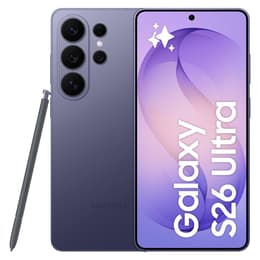
Galaxy S26 Ultra
Starting at

Refurbished price:920.00

Versus €1,449.00 new

See options
Google Pixel 9 Pro XL
Starting at

Refurbished price:563.00

Versus €1,313.57 new

See options

Differences at a glance

The Samsung Galaxy S26 Ultra (2026) and the Google Pixel 9 Pro XL (2024) represent high-tier large-screen smartphone options tailored for users seeking expansive displays and advanced capabilities. While both devices deliver powerful day-to-day operation and premium build quality, they differ significantly in their launch timelines, interface design philosophies, and underlying software features. The Galaxy S26 Ultra runs on Samsung's customized ecosystem built over recent Android architecture, whereas the Google Pixel 9 Pro XL utilizes Google's clean software experience backed by extended update commitments.

Available Models

Colour

Storage (GB)

Scores

Durability

When examining hardware longevity and software support, both devices offer robust frameworks designed to keep operating systems current for several years of active ownership.

  • Software Support Timeline: The Google Pixel 9 Pro XL provides software and security updates for seven years from its release date, ensuring extended feature continuity. The Galaxy S26 Ultra matches this long-term commitment with an equally extensive update schedule that extends well into the next decade.
  • Repairability and Build Integrity: Both smartphones feature sturdy glass-and-metal construction with high-level water and dust resistance ratings. Authorized service networks for both brands offer modular component replacements, supporting practical long-term maintenance.

Year of Release

2026

2024

Compatible with latest Update

Yes

Yes

OS

Android

Android

Foldable

No

No

Performance

Handling demanding applications, multitasking workflows, and daily system navigation differs slightly between these two models based on their internal architecture and memory allocation.

  • Multitasking and App Switching: The Google Pixel 9 Pro XL features ample RAM to keep background applications active and responsive. The Galaxy S26 Ultra offers high-tier memory configurations and optimized thermal management that maintain smooth execution during extended gaming or heavy productivity sessions.
  • Storage and Battery Efficiency: Both devices offer varied storage tiers to accommodate large media libraries. Battery capacity in each model sustains a full day of mixed usage, though charging speeds vary slightly with the Samsung model supporting faster wired input rates.

Screen quality

Visual output on both devices utilizes advanced display technologies designed to deliver sharp text, deep contrast ratios, and fluid motion handling.

  • Display Technology and Clarity: The Galaxy S26 Ultra features a 6.9-inch AMOLED display with fine-tuned color calibration and high peak brightness levels. The Google Pixel 9 Pro XL utilizes a 6.8-inch OLED panel that produces rich colors and clear outdoor visibility under direct sunlight.
  • Refresh Rate and Motion: Both screens support adaptive refresh rates up to 120Hz, scaling down during static content viewing to conserve battery and ramping up smoothly during scrolling or interactive tasks.

Resolution

1440 x 3120

1344 x 2992

Audiovisual

Imaging capabilities on these flagship models cater to detailed photography, low-light environments, and stable video capture through distinct hardware and processing approaches.

  • Camera System and Processing: The Galaxy S26 Ultra incorporates a high-resolution main sensor alongside versatile zoom lenses for distant subjects. The Google Pixel 9 Pro XL relies on computational photography algorithms paired with capable multi-lens hardware to deliver balanced color rendering and reliable portrait framing.
  • Video and Audio Output: Both smartphones record high-definition video with robust stabilization features. Stereo speaker setups on each device provide clear audio output suitable for media consumption and hands-free calling.

Front camera

12.0

42 megapixels

Miscellaneous

Physical dimensions, connectivity standards, and daily handling characteristics establish distinct ergonomic profiles for each device.

  • Physical Design and Handling: The Galaxy S26 Ultra presents a slightly refined rectangular footprint with symmetrical bezels and integrated stylus support. The Google Pixel 9 Pro XL adopts rounded corners and a distinctive horizontal camera bar across the rear glass panel.
  • Connectivity and Sensors: Both models support modern 5G networks, Wi-Fi standards, Bluetooth protocols, and secure under-display fingerprint authentication alongside facial recognition features.

Weight

214 g

221 g

Screen size (in)

6.9

6.8

Network

5G

5G

SIM card

Physical SIM + eSIM

Physical SIM + eSIM

Carrier compatibility

Unlocked

Unlocked

Connector

USB-C

USB-C

What the community thinks

User feedback from online communities highlights distinct preferences for each device based on everyday priorities. Owners of the Google Pixel 9 Pro XL frequently praise its clean software interface, reliable voice-to-text integration, and consistent photo processing outcomes. Conversely, users of the Galaxy S26 Ultra often emphasize appreciation for its integrated stylus functionality, expansive display estate, and rapid charging speeds. Frequent discussions note that while the Pixel series offers streamlined simplicity, the Samsung Ultra line provides deeper customization options.

Users prioritizing a streamlined operating system and robust computational photography will find the Google Pixel 9 Pro XL well-suited to their workflow. Meanwhile, users prioritizing maximum display size, stylus integration, and faster power replenishment may lean toward the Galaxy S26 Ultra. For those exploring sustainable purchasing decisions, a quality-assured refurbished option provides an eco-friendly alternative that reduces electronic waste without compromising on core performance capabilities.


Our recent comparisons