

Google Pixel 7 Vs iPhone 13 Pro Max

Google Pixel 7
Google Pixel 7
Starting at

Refurbished price:160.00

Versus €756.00 new

See options
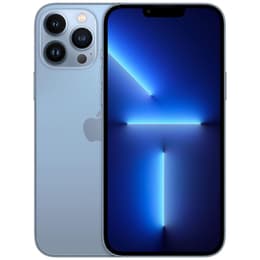
iPhone 13 Pro Max
iPhone 13 Pro Max
Starting at

Refurbished price:372.00

Versus €1,249.00 new

See options

Ratings

The Google Pixel 7 (2022) and the iPhone 13 Pro Max (2021) represent distinct approaches to high-end smartphone design and functionality. While the Pixel 7 operates on the Android platform with a focus on computational photography and artificial intelligence, the iPhone 13 Pro Max runs Apple's iOS, emphasizing a robust ecosystem and powerful video capabilities. These devices offer different user experiences, primarily distinguished by their operating systems and core strengths in imaging and display technology.

Scores

Durability

The practical lifespan of a smartphone is influenced by its release date, software support, and repairability.

  • Release Timeline: The iPhone 13 Pro Max was released in September 2021, making it approximately one year older than the Google Pixel 7, which launched in October 2022. This difference in release dates impacts their remaining software support windows.
  • Software Longevity: Apple typically provides major iOS updates for around 6-7 years. The iPhone 13 Pro Max is expected to receive iOS updates until at least 2028, potentially extending to iOS 27 or 28. The Google Pixel 7, on the other hand, is guaranteed five years of OS and security updates from its release date, meaning it will receive OS updates until Android 17 and security updates until October 2027, with Android 18 also expected.
  • Repairability: The iPhone 13 Pro Max received a repairability score of 5 out of 10, with display and battery replacements being prioritized, though non-authorized screen swaps can disable Face ID. The Pixel 7 has a repairability score of 6 out of 10, with screen replacements being relatively straightforward, but battery replacement can be complex due to adhesive, and the charging port is soldered to the motherboard.

Year of Release

2022

2021

Compatible with latest Update

Yes

Yes

OS

Android

iOS

Foldable

No

No

Performance

Both devices offer robust performance for daily tasks, but their underlying architectures lead to different strengths in handling demanding applications.

  • System Responsiveness: The iPhone 13 Pro Max delivers consistently smooth performance across applications and multitasking, handling graphically intensive games and video editing with ease. The Pixel 7 provides a fluid Android experience, excelling in everyday navigation and Google's AI-driven features.
  • Battery Behavior: The iPhone 13 Pro Max is known for its extended battery life, often lasting through a full day of heavy use for many users. The Pixel 7 offers decent battery life, though some users report it can run warm during intensive tasks, potentially leading to more frequent charging for heavy users.
  • Storage Options: The iPhone 13 Pro Max offers a wider range of storage configurations, from 128GB up to 1TB, catering to users with extensive storage needs for media and applications. The Pixel 7 is available with 128GB or 256GB of internal storage.

Memory (GB)

8 GB

6 GB

Screen quality

The visual experience on both smartphones is vibrant, though they differ in size, display technology, and refresh rate capabilities.

  • Display Technology and Size: The iPhone 13 Pro Max features a larger 6.7-inch Super Retina XDR OLED display, offering deep blacks and vibrant colors. The Google Pixel 7 has a 6.3-inch AMOLED display, which also provides rich colors and good contrast.
  • Resolution and Clarity: The iPhone 13 Pro Max boasts a resolution of 2778 x 1284 pixels at 458ppi, providing sharp and detailed visuals. The Pixel 7 offers a 2400 x 1080 pixel resolution.
  • Refresh Rate and Brightness: The iPhone 13 Pro Max includes ProMotion technology, allowing its display to dynamically adjust its refresh rate up to 120Hz for smoother scrolling and more responsive interactions. The Pixel 7 features a 90Hz refresh rate, which provides a smooth visual experience for most users. Both displays offer good brightness levels, though some iPhone 13 Pro Max users have expressed a desire for even higher brightness in direct sunlight.

Resolution

1080 x 2400

1284 x 2778

Screen type

AMOLED

Super Retina XDR OLED

Audiovisual

Both devices excel in photography, but they approach image processing and camera features from different perspectives.

  • Camera System Capabilities: The iPhone 13 Pro Max features a versatile triple-camera system, including 12MP wide, ultra-wide, and telephoto lenses, along with a LiDAR scanner for improved depth sensing. The Google Pixel 7 utilizes a dual-camera setup with a 50MP main sensor and a 12MP ultrawide lens, relying heavily on computational photography.
  • Photography Performance: The iPhone 13 Pro Max is praised for its consistent image quality, excellent video recording capabilities with features like Cinematic Mode, and strong low-light performance. The Pixel 7 is highly regarded for its computational photography, producing detailed and color-accurate photos, particularly in everyday scenarios and challenging lighting conditions.
  • Video Recording and Audio: The iPhone 13 Pro Max offers advanced video features, including ProRes video recording, though some users note the Lightning port can be slow for transferring large video files. Both phones provide good microphone quality for calls and recording, and stereo speakers for media consumption.

Main camera

50 megapixels

12 megapixels

Front camera

10.8 megapixels

12 megapixels

Miscellaneous

Beyond core performance, several practical elements differentiate these two smartphones in daily use.

  • Connectivity Options: Both devices support 5G networks for faster mobile data. The iPhone 13 Pro Max includes Wi-Fi 6, while the Pixel 7 supports Wi-Fi 6E, offering potentially faster and more stable wireless connections in compatible environments.
  • Port Types: The iPhone 13 Pro Max uses Apple's proprietary Lightning port for charging and data transfer. The Google Pixel 7 features a USB-C port, which is a more universal standard.
  • Biometric Security: The iPhone 13 Pro Max relies on Face ID for secure facial recognition. The Pixel 7 incorporates an under-display optical fingerprint scanner for biometric authentication. Some Pixel 7 users have reported occasional inconsistencies with the fingerprint sensor.
  • Physical Characteristics: The iPhone 13 Pro Max is a larger and heavier device, weighing 240g with dimensions of 160.8 x 78.1 x 7.65 mm, featuring a stainless steel frame and Ceramic Shield front. The Pixel 7 is more compact and lighter at 197g, with dimensions of 155.6 x 73.2 x 8.7 mm, and uses an aluminum frame with Gorilla Glass Victus on both sides.

Weight

197 g

238 g

Screen size (in)

6.3

6.7

Network

5G

5G

SIM card

Physical SIM + eSIM

Physical SIM + eSIM

Carrier compatibility

Unlocked

Unlocked

User feedback for the iPhone 13 Pro Max often highlights its exceptional battery life, powerful performance, and high-quality camera system, particularly for video recording. Common criticisms include its weight and size, the continued use of the Lightning port, and some users experiencing screen touch issues or overheating over time. For the Google Pixel 7, users frequently praise its advanced computational photography, clean Android experience, and overall smooth performance. However, some common concerns include inconsistent fingerprint scanner performance, occasional network connectivity issues, and battery life that, while decent, may not match the endurance of some competitors for heavy users.

Users prioritizing a large, vibrant display, extensive battery life, and a robust video camera system within the Apple ecosystem may find the iPhone 13 Pro Max well-suited to their needs. Those who value cutting-edge computational photography, a pure Android experience with timely updates, and a slightly more compact design might lean towards the Google Pixel 7. Both devices offer compelling features, and choosing between them often comes down to personal preference for operating system and specific feature priorities. For those considering these models, exploring quality-assured refurbished options can provide an eco-friendly alternative to extend the life cycle of these capable devices.


See all articles

Our recent comparisons