

Compare models
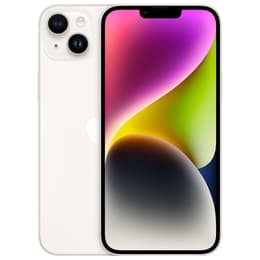
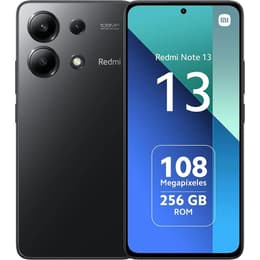
iPhone 14 Plus Vs Xiaomi Redmi Note 13 4G
- 1-year minimum warranty
- Free delivery on all orders
- Free 30-day returns
Differences at a glance
The Apple iPhone 14 Plus (2022) and the Xiaomi Redmi Note 13 4G (2024) are large-screen smartphones that cater to different operating system preferences and user priorities. While the iPhone 14 Plus runs on iOS and targets flagship-tier build quality, the Redmi Note 13 4G operates on Android and emphasizes everyday utility. Choosing between these devices depends on how you balance software ecosystems, processing capabilities, and physical handling.
Available Models
Colour
Storage (GB)
Scores
Durability
Both devices offer distinct long-term usage profiles influenced by their release timelines, software update support, and physical resilience standards.
- Software Support: The iPhone 14 Plus benefits from Apple's extended update schedule, receiving major operating system updates and security patches for several years, whereas the Xiaomi Redmi Note 13 4G provides a standard mid-range Android update cycle.
- Build Resilience: The iPhone 14 Plus features robust water and dust resistance along with toughened front glass protection, while the Xiaomi Redmi Note 13 4G includes basic splash resistance suitable for everyday incidental exposure.
- Expected Lifespan: Users can anticipate solid multi-year performance from both models, though the iPhone's hardware headroom often extends its peak-performance viability.
Year of Release
2022
2024
Compatible with latest Update
Yes
Yes
OS
iOS
Android
Foldable
No
No
Performance
System responsiveness and day-to-day multitasking capabilities vary notably due to the internal architecture and operating system optimizations of each phone.
- Multitasking and Speed: The iPhone 14 Plus handles demanding games, heavy applications, and rapid app switching smoothly, while the Xiaomi Redmi Note 13 4G manages daily communication, web browsing, and casual apps reliably with its current-generation mid-range processor.
- Battery Behavior: Both smartphones comfortably last through a standard day of typical mixed usage, though their charging speeds and power management styles reflect their distinct hardware classes.
- Storage Configurations: Both models offer multiple capacity tiers to accommodate personal photo libraries, offline media, and application data without constant file management.
Screen quality
Both smartphones feature large panels designed for comfortable media consumption, though they differ in display technology and motion smoothness.
- Display Technology: The iPhone 14 Plus utilizes an OLED panel with deep contrast and accurate color reproduction, whereas the Xiaomi Redmi Note 13 4G features a vibrant AMOLED display equipped with a high refresh rate for smooth scrolling.
- Brightness and Clarity: Both screens maintain clear visibility under standard indoor lighting, with high peak brightness capabilities for outdoor legibility in bright sunlight.
- Viewing Experience: Each device provides an expansive viewing area well-suited for streaming video, reading documents, and browsing social media feeds.
Resolution
1284 x 2778
1080 x 2400
Screen type
Super Retina XDR OLED
AMOLED
Audiovisual
Optics and audio output configurations cater to casual content creation, video calling, and media playback through distinct hardware approaches.
- Camera Capabilities: The iPhone 14 Plus relies on a dual-rear camera system enhanced by computational photography for detailed low-light shots and stable video recording, while the Xiaomi Redmi Note 13 4G features a high-resolution main sensor that captures sharp daylight photos.
- Audio Output: Both devices deliver clear stereo sound for speakerphone calls and casual video viewing, though neither includes a traditional headphone jack.
- Video Recording: The iPhone 14 Plus offers advanced video stabilization and cinematic modes, whereas the Redmi Note 13 4G handles standard 1080p recording needs adequately.
Main camera
12 megapixels
108 megapixels
Front camera
12 megapixels
16 megapixels
Miscellaneous
Physical design factors, connectivity standards, and daily ergonomics define the practical handling characteristics of each smartphone.
- Design and Handling: The iPhone 14 Plus presents a rigid aluminum and glass construction with a slightly heavier footprint, while the Xiaomi Redmi Note 13 4G offers a lighter plastic frame profile that is easy to grip.
- Connectivity: The iPhone 14 Plus supports modern 5G cellular networks and high-speed Wi-Fi standards, whereas the Redmi Note 13 4G focuses on 4G LTE connectivity alongside a traditional expandable storage slot.
- Biometrics: Security is handled via facial recognition on the Apple device, while the Xiaomi alternative utilizes an under-display fingerprint sensor for quick unlocking.
Weight
203 g
175 g
Screen size (in)
6.7
6.67
Network
5G
4G
SIM card
Physical SIM + eSIM
Dual Physical SIM
Carrier compatibility
Unlocked
Unlocked
Connector
Lightning
USB-C
What the community thinks
User feedback from online communities highlights distinct preferences for each device. Owners of the iPhone 14 Plus frequently praise its dependable battery longevity, robust build quality, and smooth integration within the iOS ecosystem. At the same time, users often note its higher entry tier and lack of expandable storage as limitations. Conversely, buyers of the Xiaomi Redmi Note 13 4G appreciate its responsive high-refresh-rate display and everyday reliability, though some users report occasional stuttering during intensive multitasking or gaming sessions.
Users prioritizing long-term software updates, robust build materials, and deep ecosystem continuity may prefer the iPhone 14 Plus. Meanwhile, users looking for a smooth media consumption display and straightforward everyday functionality will find the Xiaomi Redmi Note 13 4G well-suited to their needs. For those exploring sustainable purchasing decisions, choosing a quality-assured refurbished option provides an eco-friendly alternative that extends device life cycles without compromising on performance standards.