

Compare models

Galaxy S26 Ultra Vs Galaxy Z Fold7

  • 1-year minimum warranty
  • Free delivery on all orders
  • Free 30-day returns
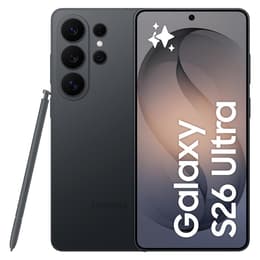
Galaxy S26 Ultra
Starting at

Refurbished price:€879.00

Versus €1,449.00 new

See options
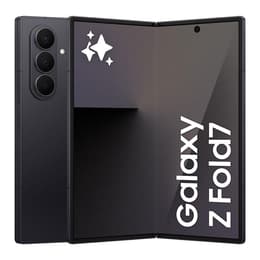
Galaxy Z Fold7
Starting at

Refurbished price:€907.00

Versus €2,236.37 new

See options

Differences at a glance

The Samsung Galaxy S26 Ultra (2026) and the Samsung Galaxy Z Fold7 (2025) represent two distinct approaches to high-end mobile engineering from Samsung's flagship lineups. While the Galaxy S26 Ultra utilizes a traditional slate format optimized for integrated stylus productivity and robust camera output, the Galaxy Z Fold7 features a book-style foldable design centered around a tablet-sized inner workspace. Both devices run on Android with customized interface layers and target users seeking maximum versatility, though their form factors create fundamentally different daily experiences.

Available Models

Colour

Storage

Scores

Durability

When evaluating structural longevity and software support, both devices benefit from long-term update commitments while managing physical wear differently due to their unique builds.

  • Software Lifecycle: Both handsets receive multi-year operating system updates and security patches spanning several years from their respective release dates, ensuring extended feature relevancy.
  • Physical Resilience: The Galaxy S26 Ultra employs a traditional rigid slate design with durable framing suited to everyday drops, whereas the Galaxy Z Fold7 features a complex folding hinge mechanism that requires mindful handling despite modern reinforcement.
  • Expected Lifespan: Internal components and battery health are engineered to endure years of heavy daily routines, though traditional slate models typically experience fewer mechanical vulnerabilities over extended timelines.

Year of Release

2026

2025

Compatible with latest Update

Yes

Yes

OS

Android

Android

Foldable

No

Yes

Performance

Both smartphones deliver high-tier processing capabilities, ample memory configurations, and reliable endurance for intensive multitasking workflows.

  • Execution Speed: Demanding applications, heavy gaming sessions, and rapid background app switching open instantly and run fluidly without noticeable stuttering or thermal throttling.
  • Multitasking Handling: Generous random access memory capacity allows users to keep numerous productivity tools and browser tabs active simultaneously without forcing reloads.
  • Battery Behavior: Typical daily usage easily clears a full day on a single charge, though intensive utilization of larger display areas on the foldable variant requires more frequent replenishment.

Screen quality

Display characteristics diverge significantly between the two models, directly influencing media consumption and workspace layout.

  • Panel Technology: The Galaxy S26 Ultra features a spacious rigid OLED panel with high pixel density, whereas the Galaxy Z Fold7 provides a compact cover display alongside a sprawling foldable interior screen that expands viewing area substantially.
  • Brightness and Legibility: Peak outdoor brightness levels ensure clear visibility under direct sunlight on both devices, maintaining sharp text and high contrast.
  • Visual Fluidity: High refresh rate support enables smooth scrolling through web pages, fluid animation transitions, and responsive touch tracking during navigation.

Resolution

1440 x 3120

1968x2184

Audiovisual

Photography and media recording hardware offer versatile focal lengths, though lens arrangements and secondary sensor placements cater to different shooting styles.

  • Main Camera Output: High-resolution primary sensors capture crisp detail and balanced dynamic range across varied daylight conditions, while specialized zoom lenses allow distant subjects to be brought closer clearly.
  • Low-Light Capability: Advanced sensor processing brightens dark environments effectively, subduing digital noise to preserve natural colors in evening settings.
  • Audio and Video: Integrated microphone arrays capture clear dialogue for calls and video recording, paired with balanced stereo speakers that deliver immersive sound for media playback.

Miscellaneous

Practical daily usability elements such as connectivity, physical dimensions, and security sensors shape the ergonomics of each device.

  • Connectivity and Ports: Both units support modern fifth-generation cellular networks, high-speed wireless standards, Bluetooth accessories, and standard reversible charging ports.
  • Security and Authentication: Fast biometric identification is handled via responsive fingerprint sensors and facial recognition options tailored for quick unlocking.
  • Portability: The Galaxy S26 Ultra presents a traditional heavy slate footprint with an integrated stylus silo, while the Galaxy Z Fold7 balances a surprisingly thin folded profile with a wider overall surface area when opened.

Weight

214 g

215 g

Screen size (in)

6.9

8.0

Network

5G

5G

SIM card

Physical SIM + eSIM

Dual Physical SIM + eSIM

Carrier compatibility

Unlocked

Unlocked

Connector

USB-C

USB-C (USB 3)

What the community thinks

User discussions across community forums highlight distinct preferences for each device based on physical format. Owners of the Galaxy S26 Ultra frequently praise its robust camera versatility, comfortable grip, and built-in productivity stylus for note-taking. Conversely, users of the Galaxy Z Fold7 emphasize the immense utility of the expansive inner screen for multitasking and reading, though some note the trade-offs of carrying a thicker folded device and managing the folding screen crease during media consumption.

Users prioritizing photography excellence, structural simplicity, and stylus convenience will find the Galaxy S26 Ultra well-suited to their daily routines. Meanwhile, users prioritizing a multi-window workspace, tablet-sized viewing on demand, and innovative hardware engineering may lean toward the Galaxy Z Fold7. For those seeking a sustainable choice, exploring a quality-assured refurbished option provides an eco-friendly alternative to purchasing brand-new hardware. Ultimately, the decision rests entirely on whether a traditional slate or a foldable workspace better complements personal workflow habits.