

Compare models

Galaxy S25+ Vs iPhone 16 Pro

  • 1-year minimum warranty
  • Free delivery on all orders
  • Free 30-day returns
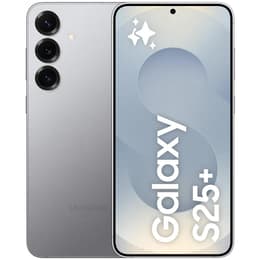
Galaxy S25+
Starting at

Refurbished price:572.00

Versus €1,269.00 new

See options
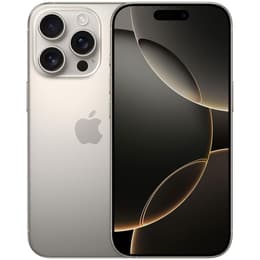
iPhone 16 Pro
Starting at

Refurbished price:665.00

Versus €1,239.00 new

See options

Differences at a glance

The Samsung Galaxy S25 Plus, released in February 2025, and the Apple iPhone 16 Pro, launched in September 2024, represent high-end smartphone offerings from their respective manufacturers. While both devices deliver premium experiences, they cater to different user preferences through their distinct operating systems, camera philosophies, and display characteristics.

Available Models

Colour

Storage (GB)

Scores

Durability

When considering the long-term usability of these devices, several factors contribute to their expected lifespan, including software support and physical resilience.

  • Software Longevity: The Samsung Galaxy S25 Plus is expected to receive approximately five to seven years of major Android operating system updates and up to seven years of security updates from its release date. The iPhone 16 Pro typically receives five to seven years of major iOS updates, along with extended security patches, ensuring a prolonged period of software support.
  • Build Materials: The Galaxy S25 Plus features Gorilla Glass Victus 2 on both its front and back, complemented by an aluminum frame. The iPhone 16 Pro utilizes Apple's Ceramic Shield on the front, a textured matte glass back, and a titanium frame. Both devices carry an IP68 rating for dust and water resistance.
  • Durability Considerations: While the iPhone 16 Pro's Ceramic Shield is noted for improved strength, some user reports suggest that its thinner display bezels might make it more susceptible to damage in certain drop scenarios compared to its predecessor. The Galaxy S25 Plus maintains a robust design with its Gorilla Glass Victus 2, offering a balance of premium feel and resilience.

Year of Release

2025

2024

Foldable

No

No

Performance

Both smartphones offer robust performance capabilities, handling demanding applications and multitasking with efficiency, though they achieve this through different hardware architectures.

  • Processing Power: The Samsung Galaxy S25 Plus is equipped with the Snapdragon 8 Elite for Galaxy processor, featuring an octa-core CPU with high clock speeds for efficient task execution. The iPhone 16 Pro is powered by the A18 Pro chip, which includes a 6-core CPU, a 6-core GPU, and a 16-core Neural Engine, designed for enhanced performance, particularly in AI-related tasks.
  • Memory and Storage: The Galaxy S25 Plus typically comes with 12GB of RAM and offers storage options of 256GB or 512GB. The iPhone 16 Pro features 8GB of memory and is available with storage capacities ranging from 128GB to 1TB.
  • Battery Performance: The Galaxy S25 Plus houses a 4900mAh battery, providing approximately 14 hours and 40 minutes of video streaming in tests. The iPhone 16 Pro, with its 3582mAh battery, demonstrates notable efficiency, lasting around 20 hours and 33 minutes in similar video streaming tests, and users report it can comfortably last through a full day of heavy use.

Screen quality

The visual experience on both devices is characterized by high-quality displays, each with distinct advantages in technology and presentation.

  • Display Technology and Size: The Samsung Galaxy S25 Plus features a 6.7-inch Dynamic AMOLED 2X display, offering a QHD+ resolution of 3120x1440 pixels. The iPhone 16 Pro comes with a 6.3-inch Super Retina XDR OLED display, providing a resolution of 2622x1206 pixels at 460 pixels per inch.
  • Brightness and Refresh Rate: Both phones offer a smooth viewing experience with adaptive refresh rates up to 120Hz. The Galaxy S25 Plus can reach a peak brightness of up to 2600 nits. The iPhone 16 Pro offers a typical maximum brightness of 1000 nits, a peak HDR brightness of 1600 nits, and can reach 2000 nits peak brightness outdoors, along with a new 1 nit minimum brightness for its Always-On display.
  • Viewing Experience: The larger screen of the Galaxy S25 Plus provides more expansive screen real estate, while its QHD+ resolution ensures sharp visuals. The iPhone 16 Pro's display features thinner bezels for a more immersive edge-to-edge experience and its lower minimum brightness is beneficial for low-light environments.

Resolution

1440x3120

1206 x 2622

Screen type

Dynamic LTPO AMOLED 2X

LTPO Super Retina XDR OLED

Audiovisual

Both smartphones are equipped with advanced camera systems designed to capture high-quality images and videos, each with its own strengths and features.

  • Rear Camera Systems: The Samsung Galaxy S25 Plus features a triple rear camera setup, including a 50MP main camera with optical image stabilization (OIS), a 12MP ultrawide camera with a 120-degree field of view, and a 10MP telephoto camera offering 3x optical zoom and OIS. The iPhone 16 Pro also has a triple rear camera system, comprising a 48MP main camera with sensor-shift OIS, a 48MP ultrawide camera with a 120-degree field of view, and a 12MP telephoto camera capable of 5x optical zoom.
  • Photography Performance: The Galaxy S25 Plus produces good daylight photos with vibrant colors, benefiting from Samsung's ProVisual Engine for improved image processing. However, some users note a potential drop in image quality when using the ultrawide and telephoto lenses compared to the main sensor. The iPhone 16 Pro excels in computational photography, with its upgraded 48MP ultrawide sensor and 5x telephoto lens delivering consistent results across its cameras, even in challenging lighting.
  • Video Capabilities and Front Camera: Both devices offer high-quality video recording. The Galaxy S25 Plus can record 8K video at 30 frames per second, while the iPhone 16 Pro supports 4K video recording at up to 60 frames per second with Dolby Vision HDR, known for its excellent stabilization and dynamic range. Both phones feature a 12MP front-facing camera for selfies and video calls. The iPhone 16 Pro also introduces a new Camera Control button for quick access to camera tools.

Miscellaneous

Beyond core performance and display, several practical features and design elements differentiate these two advanced smartphones.

  • Connectivity and Ports: Both the Galaxy S25 Plus and iPhone 16 Pro support 5G connectivity and the latest Wi-Fi 7 standard, ensuring fast wireless data transfer. The Galaxy S25 Plus features a USB-C port, while the iPhone 16 Pro also includes a USB-C port, offering USB 3 transfer speeds.
  • Biometrics and Design: The Galaxy S25 Plus incorporates an ultrasonic in-screen fingerprint sensor for secure unlocking. The iPhone 16 Pro relies on Face ID for facial recognition. The Galaxy S25 Plus has an aluminum frame and Gorilla Glass Victus 2, with dimensions of 158.4 x 75.7 x 7.3 mm and a weight of 190 grams. The iPhone 16 Pro features a titanium frame, Ceramic Shield front, and textured matte glass back, measuring 149.6 x 71.5 x 8.25 mm and weighing 199 grams.
  • Additional Features: The Galaxy S25 Plus includes ProScaler, an AI-based technology designed to upscale lower-resolution content for improved viewing on its high-resolution display. The iPhone 16 Pro features an improved second-generation Ultra Wideband chip for enhanced spatial awareness and a new Camera Control button for quick camera access.

Weight

190 g

199 g

Screen size (in)

6.7

6.3

Network

5G

5G

SIM card

Physical SIM + eSIM

eSIM

Carrier compatibility

Unlocked

Unlocked

What the community thinks

User feedback for the Samsung Galaxy S25 Plus often highlights its vibrant and expansive display, robust overall performance, and generally good battery life as key strengths. Some users have noted that while the camera system benefits from advanced software processing, the hardware specifications for the main camera have remained consistent with previous generations.

The iPhone 16 Pro has garnered praise for its significant improvements in battery life, which users find reliably lasts through demanding days. Its enhanced camera system, particularly the upgraded ultrawide and telephoto lenses, is also a frequent point of positive discussion. However, some initial durability tests have raised concerns regarding the resilience of its thinner display bezels in certain drop scenarios, despite the improved Ceramic Shield.

Users prioritizing a larger, high-resolution display, extensive customization options within the Android ecosystem, and a focus on AI-enhanced content viewing may find the Galaxy S25 Plus well-suited to their needs. Conversely, users who value a highly efficient processor, a consistently strong camera system with advanced video capabilities, and the integrated experience of the iOS ecosystem might lean towards the iPhone 16 Pro. Both devices offer compelling features for different user profiles, and for those considering a more sustainable choice, quality-assured refurbished options are available, providing an eco-friendly alternative.