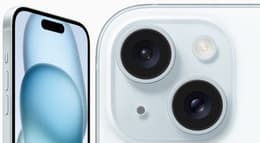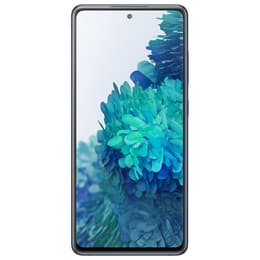
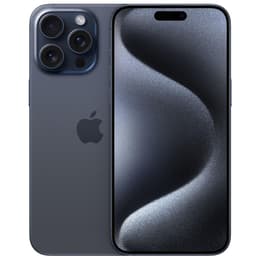


Galaxy S20 FE Vs iPhone 15 Pro Max

Galaxy S20 FE
Galaxy S20 FE
Starting at

Refurbished price:151.00

Versus €779.00 new

See options
iPhone 15 Pro Max
iPhone 15 Pro Max
Starting at

Refurbished price:610.00

Versus €1,489.00 new

See options

Ratings

The Samsung Galaxy S20 FE (Fan Edition), released in October 2020, and the Apple iPhone 15 Pro Max, launched in September 2023, represent distinct approaches to high-end smartphones from their respective manufacturers. While both offer robust mobile experiences, the significant difference in their release dates means they cater to different expectations regarding technology and software support. The Galaxy S20 FE runs on Android, offering a customizable interface, whereas the iPhone 15 Pro Max operates on Apple's iOS, known for its integrated ecosystem and streamlined user experience.

Scores

Durability

The practical lifespan of a smartphone is heavily influenced by its release date and the manufacturer's commitment to software updates and repairability.

  • Release Timeline: The Galaxy S20 FE, released in October 2020, has reached the end of its major Android OS updates, with security updates concluding around October 2025. The iPhone 15 Pro Max, launched in September 2023, is guaranteed a minimum of five years of security support from its release date, with Apple typically providing longer OS updates.
  • Software Longevity: Users of the Galaxy S20 FE will find their device is no longer receiving new Android versions, and security patches have ceased as of late 2025. The iPhone 15 Pro Max, however, is expected to receive major iOS updates for several more years, ensuring access to new features and continued security.
  • Repairability: The Galaxy S20 FE generally scores moderately well for repairability, with some components like the battery being accessible with effort. The iPhone 15 Pro Max initially received a lower repairability score of 4 out of 10 from iFixit, though this was later promoted to 7/10 due to improved software support for part calibration.

Year of Release

2020

2023

Compatible with latest Update

No

Yes

OS

Android

iOS

Foldable

No

No

Performance

Performance in daily use is a key differentiator, with the newer iPhone 15 Pro Max offering a more advanced experience compared to the Galaxy S20 FE.

  • Storage Options: The Galaxy S20 FE offers 128GB or 256GB of internal storage and includes a microSD card slot for expansion. The iPhone 15 Pro Max provides larger internal storage options ranging from 256GB to 1TB, but it does not support expandable storage.
  • Battery Behavior: The Galaxy S20 FE features a 4500 mAh battery, which users have reported as providing sufficient power for a full day of typical use. The iPhone 15 Pro Max, with a 4422 mAh battery, is also noted for its strong battery life, often lasting a full day even with heavy usage.
  • System Responsiveness: The Galaxy S20 FE delivers smooth performance for everyday tasks and gaming, thanks to its capable processor from its release era. The iPhone 15 Pro Max, equipped with a much newer generation processor, handles demanding applications, intensive gaming, and multitasking with exceptional fluidity and efficiency, providing a more future-proof performance.

Memory (GB)

6 GB

8 GB

Screen quality

The display experience varies between these two devices, reflecting advancements in screen technology over time.

  • Display Technology: The Galaxy S20 FE features a 6.5-inch Super AMOLED display, known for its vibrant colors and deep blacks. The iPhone 15 Pro Max boasts a 6.7-inch Super Retina XDR OLED display with ProMotion technology, offering superior contrast, brightness, and color accuracy.
  • Resolution and Clarity: The Galaxy S20 FE has a 1080 x 2400 pixel resolution, providing clear visuals for most content. The iPhone 15 Pro Max offers a higher resolution of 1290 x 2796 pixels, resulting in sharper details and a more refined viewing experience.
  • Refresh Rate: The Galaxy S20 FE supports a 120Hz refresh rate, contributing to smoother scrolling and a more responsive feel. The iPhone 15 Pro Max also features an adaptive 120Hz ProMotion refresh rate, which dynamically adjusts to content for optimal smoothness and power efficiency.

Resolution

1080 x 2400

1290 x 2796

Screen type

Super AMOLED

LTPO Super Retina XDR OLED

Audiovisual

Both devices offer capable camera systems, but the iPhone 15 Pro Max benefits from newer technology and advanced computational photography.

  • Camera System Capabilities: The Galaxy S20 FE includes a versatile triple camera setup with a 12MP wide, 12MP ultrawide, and 8MP telephoto lens with 3x optical zoom. The iPhone 15 Pro Max features a more advanced triple camera system, including a 48MP main sensor, 12MP ultrawide, and a 12MP telephoto lens with 5x optical zoom, providing greater flexibility and detail.
  • Low-light and Everyday Photography: The Galaxy S20 FE performs well in good lighting conditions, with its main camera producing quality images, though its ultrawide can be less impressive. The iPhone 15 Pro Max offers significantly improved low-light performance across all its lenses and excels in everyday photography with enhanced detail and dynamic range.
  • Video Recording Quality: The Galaxy S20 FE supports 4K video recording at up to 60 frames per second from both front and rear cameras. The iPhone 15 Pro Max provides advanced video capabilities, including 4K recording at various frame rates, ProRes video, and Cinematic mode, making it suitable for more professional-grade content creation.

Main camera

12 megapixels

48 megapixels

Front camera

32 megapixels

12 megapixels

Miscellaneous

Beyond core features, several practical elements contribute to the overall user experience and differentiate these two smartphones.

  • Connectivity Options: The Galaxy S20 FE supports 5G (on the 5G model), Wi-Fi 6, and Bluetooth 5.0. The iPhone 15 Pro Max offers more advanced connectivity with 5G, Wi-Fi 6E, and Bluetooth 5.3, providing faster and more stable wireless connections.
  • Port Types: Both devices utilize a USB-C port for charging and data transfer. The iPhone 15 Pro Max's USB-C port supports faster USB 3 speeds. Neither phone includes a traditional 3.5mm headphone jack.
  • Build Materials and Durability: The Galaxy S20 FE features a plastic back, an aluminum frame, and Gorilla Glass 3 on the front, with an IP68 rating for dust and water resistance. The iPhone 15 Pro Max uses a more premium and lighter titanium frame, Ceramic Shield front cover, and textured matte glass back, also with an IP68 rating.

Weight

190 g

221 g

Screen size (in)

6.5

6.7

Network

4G

5G

SIM card

Dual Physical SIM

Physical SIM + eSIM

Carrier compatibility

Unlocked

Unlocked

User feedback for the Galaxy S20 FE often praises its vibrant display, capable performance for its time, and solid battery life, making it a well-rounded device for many. Some criticisms have included the quality of the ultrawide camera and occasional touch screen issues reported by a minority of users. The iPhone 15 Pro Max is frequently lauded for its exceptional camera system, powerful performance, and long-lasting battery, with users appreciating its premium build and integrated ecosystem. Initial concerns about potential overheating were noted, though software updates have largely addressed these.

Users prioritizing a highly customizable Android experience, expandable storage, and a device that has proven its reliability over several years may find the Galaxy S20 FE suitable. It represents a mature platform that still delivers core smartphone functions effectively. Conversely, individuals seeking the latest in mobile technology, superior camera capabilities, extended software support, and a premium build will likely gravitate towards the iPhone 15 Pro Max. Its advanced processor and integrated iOS ecosystem offer a cutting-edge experience for demanding users and those invested in Apple's services.

For those looking to make a sustainable choice, both models are available as quality-assured refurbished options, providing an eco-friendly alternative to purchasing new devices.


See all articles

Our recent comparisons