

Galaxy S25 Vs iPhone 17

Galaxy S25
Galaxy S25
Starting at

Refurbished price:489.60

Versus €910.00 new

See options
iPhone 17
iPhone 17
Starting at

Refurbished price:704.00

Versus €979.00 new

See options

Ratings

The Samsung Galaxy S25 and the iPhone 17 represent the latest iterations of their respective flagship smartphone lines, both expected to launch in 2025. While the Galaxy S25, running on Android, typically arrives earlier in the year, the iPhone 17, powered by iOS, usually follows in the latter half. These devices offer distinct user experiences, primarily differentiated by their operating systems and their manufacturers' approaches to hardware and software integration.

Scores

Durability

When considering the practical lifespan of these devices, both the Galaxy S25 and the iPhone 17 are designed for extended use, though their software support cycles differ.

  • Release Timeline: The Samsung Galaxy S25 was announced in January 2025 and released in February 2025, while the iPhone 17 was announced in September 2025 and released later that month. This means the iPhone 17 benefits from a slightly newer starting point for its support cycle.
  • Software Longevity: The Galaxy S25 is expected to receive seven years of major OS updates and security patches. Apple typically provides major iOS updates for iPhones for approximately five to seven years, with security updates often extending longer, potentially up to eight years. The iPhone 17 is anticipated to receive updates until around 2037.
  • Physical Durability: Both devices are expected to feature advanced glass protection on their displays and backs, along with an IP68 rating for water and dust resistance, contributing to their overall resilience in daily use. The iPhone 17 is expected to continue using Ceramic Shield for enhanced screen durability.

Year of Release

2025

2025

OS

Android

iOS

Foldable

No

No

Performance

Both the Galaxy S25 and iPhone 17 are equipped with advanced internal components designed to deliver smooth and responsive performance for a wide range of tasks.

  • Processing Power: The Galaxy S25 features a current-generation processor, either a Snapdragon 8 Elite or an Exynos 2600, enabling efficient handling of demanding applications, complex multitasking, and graphics-intensive gaming. The iPhone 17 incorporates Apple's latest A-series chip, which is engineered for high performance and power efficiency, ensuring fluid navigation and rapid app loading.
  • Storage Options: Both models offer various internal storage configurations, catering to users with different needs for apps, photos, videos, and other data.
  • Battery Behavior: The Galaxy S25 base model includes a 4000 mAh battery, and both devices are expected to feature optimized power management systems that contribute to extended usage times, allowing many users to go through a full day without needing to recharge.

Memory (GB)

12 GB

8 GB

Screen quality

The visual experience on both the Galaxy S25 and iPhone 17 is a key highlight, with each device featuring high-quality display technologies.

  • Display Technology: The Galaxy S25 utilizes a Dynamic AMOLED 2X display, known for its vibrant colors, deep blacks, and high contrast ratios. The iPhone 17 features an OLED display, which also delivers rich colors, true blacks, and excellent contrast.
  • Clarity and Brightness: Both phones offer high resolutions, providing sharp and detailed visuals for text and images. They are also designed to achieve high peak brightness levels, improving visibility in bright outdoor conditions. The Galaxy S25's display can reach up to 2600 nits.
  • Refresh Rate: The Galaxy S25's display supports a 120Hz refresh rate, contributing to smoother scrolling and more fluid animations. The iPhone 17 is expected to feature an adaptive refresh rate technology, likely up to 120Hz, which dynamically adjusts to content for a smooth experience while optimizing power consumption.

Resolution

1080x2340

2622x1206

Screen type

Dynamic LTPO AMOLED 2X

Super Retina XDR

Audiovisual

Both the Galaxy S25 and iPhone 17 are equipped with advanced camera systems designed to capture high-quality photos and videos in various conditions.

  • Camera System Capabilities: The Galaxy S25 typically features a versatile multi-lens setup, often including a main sensor, an ultra-wide lens, and a telephoto lens, offering flexibility for different photographic scenarios. The iPhone 17 also comes with a sophisticated camera array, focusing on computational photography to enhance image quality across its main, ultra-wide, and potentially telephoto lenses.
  • Photography Performance: Both devices excel in everyday photography, producing detailed images with accurate color reproduction. They also offer improved low-light performance, allowing for clearer shots in challenging lighting environments. Features like Burst mode and HDR are standard on iPhones, aiding in capturing action and balancing exposures.
  • Video Recording and Audio: Both smartphones support high-resolution video recording with advanced stabilization. They also feature quality microphones for clear audio capture during video recording and calls, alongside capable stereo speakers for media consumption.

Miscellaneous

Beyond their core features, the Galaxy S25 and iPhone 17 offer a range of practical elements that enhance the user experience.

  • Connectivity: Both devices support 5G cellular networks for fast data speeds and the latest Wi-Fi standards for robust wireless internet connections. They also include modern Bluetooth versions for connecting to accessories.
  • Ports and Biometrics: The Galaxy S25 features a USB-C port for charging and data transfer and incorporates an ultrasonic in-screen fingerprint sensor for secure unlocking. The iPhone 17 also uses a USB-C port, aligning with recent industry standards, and typically relies on Face ID for biometric authentication.
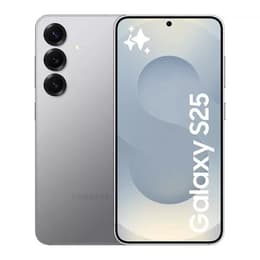
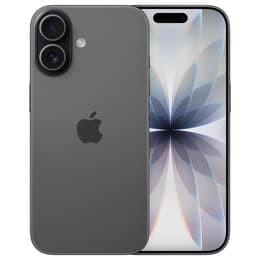
  • Design and Handling: The Galaxy S25 measures 146.9 x 70.5 x 7.2 mm and weighs 162g, featuring a glass back and aluminum frame. The base iPhone 17 measures 149.6 x 71.5 x 8.0 mm and weighs 177g. These dimensions contribute to a comfortable in-hand feel for both devices, though specific handling preferences may vary among users.

Weight

162 g

177 g

Screen size (in)

6.2

6.3

Network

5G

5G

SIM card

Physical SIM + eSIM

eSIM

Carrier compatibility

Unlocked

Unlocked

The Samsung Galaxy S25 and iPhone 17 each offer a compelling package, catering to different user preferences within the premium smartphone market. Users often praise the Galaxy S series for its vibrant, customizable Android experience and advanced display technology. However, some past models have faced criticisms regarding battery life and software update consistency, though the S25 promises significant improvements in the latter.

Conversely, the iPhone is frequently lauded for its consistent performance, long-term software support, and integrated ecosystem. While generally well-received, some users occasionally desire more customization options.

For those prioritizing an open and highly customizable operating system with a focus on cutting-edge display technology and versatile camera features, the Galaxy S25 may be a suitable choice. Users who value a streamlined, intuitive experience with extended software support and a strong emphasis on consistent performance and a robust app ecosystem will likely find the iPhone 17 more aligned with their needs. Both devices represent top-tier options, and considering a quality-assured refurbished option can be an eco-friendly alternative for acquiring either of these advanced smartphones.


See all articles

Our recent comparisons