

Galaxy S24 Ultra Vs Google Pixel 6A

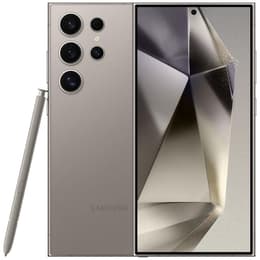
Galaxy S24 Ultra
Galaxy S24 Ultra
Starting at
€664.00
€1,692.55 new
See options
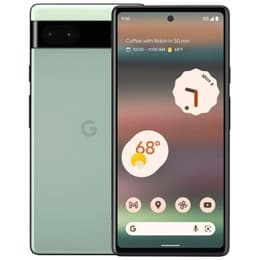
Google Pixel 6A
Google Pixel 6A
Starting at
€137.00
€399.00 new
See options

Ratings

The Samsung Galaxy S24 Ultra (2024) stands as a premium flagship smartphone, while the Google Pixel 6a (2022) is positioned as a mid-range device. These Android-based phones offer distinct experiences, primarily differentiated by their performance capabilities, display quality, and camera versatility, reflecting their respective market segments and release timelines.

Scores

Durability

The two devices offer different expected lifespans due to their release dates and manufacturer software commitments.

  • Release Timeline and OS Support: The Galaxy S24 Ultra, released in January 2024, benefits from Samsung's commitment to seven years of OS and security updates, meaning support is expected until early 2031. In contrast, the Pixel 6a, launched in July 2022, was initially promised three years of OS updates (until July 2025) and five years of security updates (until July 2027). However, Google has since extended the Pixel 6a's OS and security updates to a total of five years, aligning with other Pixel 6 and 7 series devices, meaning support is now expected until at least July 2027.
  • Software Longevity Expectations: Users prioritizing the longest possible software support and access to the latest Android features will find the Galaxy S24 Ultra a more future-proof option, with several more years of updates compared to the Pixel 6a.
  • Repairability and Practical Lifespan: Both devices, as modern smartphones, present moderate repairability challenges due to their construction. However, with ongoing software support and reasonable care, both can remain functional for their respective update cycles. The S24 Ultra's premium build materials, including a titanium frame and Gorilla Armor glass, may offer a slight edge in physical durability over the Pixel 6a's aluminum frame and Gorilla Glass 3.

Year of Release

2024

2022

Compatible with latest Update

Yes

Yes

OS

Android

Android

Foldable

No

No

Performance

There is a significant difference in raw power and everyday performance between these two devices, reflecting their different categories.

  • Processor Capabilities and Responsiveness: The Galaxy S24 Ultra is equipped with the advanced Snapdragon 8 Gen 3 for Galaxy processor, providing exceptional speed and efficiency for demanding applications and multitasking. The Pixel 6a features Google's Tensor G1 chip, which delivers solid performance for daily tasks and leverages AI for photography and other features, but it is an older generation and less powerful than the S24 Ultra's chipset.
  • Storage and RAM: The S24 Ultra offers generous storage options starting from 256GB and going up to 1TB, paired with 12GB of RAM across all configurations, ensuring ample space and smooth multitasking. The Pixel 6a comes with a single configuration of 128GB storage and 6GB of RAM, which is sufficient for average use but more restrictive for power users or those with large media libraries.
  • Battery Behavior in Typical Use Cases: The Galaxy S24 Ultra features a 5000 mAh battery, and user reports often highlight its excellent longevity, frequently lasting up to two days with moderate use. The Pixel 6a has a 4410 mAh battery, providing a decent full day of use for most users, though heavy users may find themselves needing to charge more frequently.

Memory

12 GB

6 GB

Screen quality

The visual experience on these smartphones differs considerably, primarily due to display technology and specifications.

  • Display Technology and Resolution: The Galaxy S24 Ultra boasts a large 6.8-inch Dynamic AMOLED 2X display with a QHD+ resolution (3120 x 1440 pixels), offering incredibly sharp details and vibrant colors. The Pixel 6a has a smaller 6.1-inch OLED display with a Full HD+ resolution (2400 x 1080 pixels), which provides good clarity but not the same level of sharpness as the S24 Ultra.
  • Brightness and Refresh Rate: The S24 Ultra's display can reach a peak brightness of up to 2600 nits, making it exceptionally clear and readable even in direct sunlight, and features an adaptive refresh rate from 1Hz to 120Hz for smooth scrolling and animations. The Pixel 6a offers ample brightness for outdoor use, reaching up to 876 nits in adaptive mode, but is limited to a standard 60Hz refresh rate, which provides a less fluid visual experience.
  • Screen Size and Viewing Experience: The larger screen of the S24 Ultra, combined with its higher resolution and adaptive refresh rate, provides a more immersive and expansive viewing experience for media consumption and productivity. The Pixel 6a offers a more compact form factor, which some users prefer for easier one-handed use, but with a less premium visual fluidity.

Resolution

1440 x 3120

1080 x 2400

Screen type

Dynamic LTPO AMOLED 2X

OLED

Audiovisual

Both devices excel in photography within their respective classes, though the S24 Ultra offers greater versatility and advanced features.

  • Camera System Capabilities: The Galaxy S24 Ultra features a sophisticated quad-camera system, including a 200MP main sensor, a 12MP ultrawide, a 10MP 3x telephoto, and a 50MP 5x telephoto lens, offering extensive zoom capabilities. The Pixel 6a provides a dual-camera setup with a 12.2MP main sensor and a 12MP ultrawide lens, relying heavily on Google's computational photography for image quality.
  • Photography Performance (Daylight and Low-light): The S24 Ultra captures images with excellent detail, vivid colors, and strong dynamic range across its multiple lenses, performing well in various lighting conditions, including improved low-light telephoto shots. The Pixel 6a is praised for its consistent and natural-looking photos in good light and its exceptional low-light performance thanks to Night Sight, often competing with more expensive phones in this regard.
  • Video Recording Quality and Features: The S24 Ultra supports video recording up to 8K resolution and offers advanced stabilization and AI features for video. The Pixel 6a records up to 4K resolution at 60fps from the main camera, with good stabilization and respectable audio capture, making it a capable option for everyday video needs.

Main camera

200 megapixels

12.2 megapixels

Front camera

12 megapixels

8 megapixels

Miscellaneous

Beyond core features, several practical elements distinguish the user experience of these two smartphones.

  • Connectivity Options: The Galaxy S24 Ultra supports the latest connectivity standards, including 5G, Wi-Fi 7, and Bluetooth 5.3, offering faster and more reliable wireless performance. The Pixel 6a includes 5G, Wi-Fi 6E, and Bluetooth 5.2, providing modern and efficient wireless connections suitable for most users.
  • Port Types and Authentication: Both devices utilize a USB-C port for charging and data transfer and lack a 3.5mm headphone jack. The S24 Ultra integrates an S Pen stylus, offering additional productivity and creative input, alongside in-display fingerprint and face recognition. The Pixel 6a also features an in-display fingerprint sensor for secure unlocking.
  • Build Materials and Dimensions: The S24 Ultra features a premium build with a titanium frame and Gorilla Armor glass, contributing to its larger dimensions (162.3 x 79.0 x 8.6 mm) and weight (232g), while offering IP68 water and dust resistance. The Pixel 6a is more compact and lighter (152.2 x 71.8 x 8.9 mm, 178g) with an aluminum frame and plastic back, and carries an IP67 rating for water and dust resistance.

Weight

233 g

178 g

Screen size (in)

6.8

6.1

Network

5G

5G

SIM card

Dual Physical SIM + eSIM

Physical SIM + eSIM

Carrier compatibility

Unlocked

Unlocked

User feedback highlights the Galaxy S24 Ultra's exceptional camera versatility, particularly its zoom capabilities, along with its bright, expansive display, integrated S Pen, and top-tier performance. Common criticisms sometimes point to its large size and weight. For the Google Pixel 6a, users frequently praise its excellent camera performance for its price point, clean Android software experience, and comfortable, compact design. Some users note the 60Hz display as a drawback and occasional inconsistencies in battery life for heavy usage.

For users who prioritize a powerful, feature-rich device with extensive camera capabilities, a vibrant display, and a long software support lifespan, the Galaxy S24 Ultra is a compelling choice. This might include professionals who benefit from the S Pen, mobile photographers seeking versatility, or power users demanding peak performance. On the other hand, the Google Pixel 6a caters to users seeking a reliable smartphone with an excellent camera for everyday photography, a clean software experience, and a more manageable size. This could appeal to students, casual users, or those who value Google's software optimizations and a more compact device. Both devices, when considered as quality-assured refurbished options, provide an eco-friendly and smart way to acquire advanced technology, making informed and sustainable choices accessible.