
Samsung

Compare models
Differences at a glance
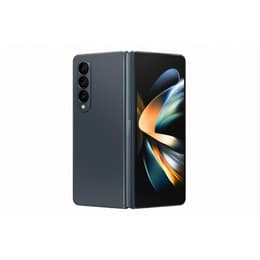
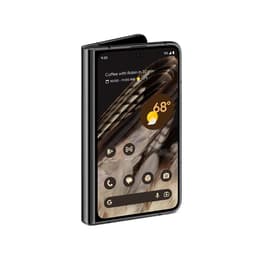
The Samsung Galaxy Z Fold4 (2022) and the Google Pixel Fold (2023) represent two distinct approaches to the foldable smartphone experience. Both devices offer a traditional smartphone form factor that unfolds to reveal a larger, tablet-like display, aiming to blend portability with enhanced productivity and media consumption. While the Z Fold4 builds on Samsung's established foldable lineage, the Pixel Fold marks Google's entry into this evolving category, bringing its unique software and camera philosophy. The primary differentiators lie in their design philosophies, internal processing, and camera systems.
Colour
Storage
When considering the long-term usability of these foldable devices, several factors contribute to their expected lifespan, including software support and physical resilience.
Year of Release
The performance of these foldable smartphones is crucial for handling demanding applications and multitasking across their expansive displays.
The display quality is a cornerstone of the foldable smartphone experience, with both the cover and inner screens contributing significantly to user interaction.
The camera systems on foldable phones are designed to offer versatile photography and videography capabilities, leveraging the unique form factor.
Beyond core specifications, several practical elements contribute to the overall user experience of these foldable devices.
Screen size (in)
Network
SIM card
Carrier compatibility
Connector
The Samsung Galaxy Z Fold4 and the Google Pixel Fold each offer a compelling vision for the future of mobile computing, catering to users who seek the versatility of a large screen in a portable format. User feedback for the Z Fold4 often praises its refined hinge mechanism, improved camera system over its predecessor, and the robust multitasking capabilities offered by Samsung's software. Some users have noted its relatively narrow cover screen when folded, which can make one-handed typing less comfortable for some. The Pixel Fold, on the other hand, is frequently lauded for its wider, more traditional smartphone-like cover screen, making it feel more like a conventional phone when closed. Its camera performance, backed by Google's image processing, is also a common highlight. Criticisms sometimes point to its weight and the visibility of the inner display's bezels.
Users prioritizing a highly refined and mature foldable experience with extensive software features and a strong ecosystem might lean towards the Galaxy Z Fold4. Its established presence in the foldable market and consistent performance make it a reliable choice for productivity-focused individuals. Conversely, those who value Google's pure Android experience, exceptional computational photography, and a more traditional external display aspect ratio may find the Pixel Fold better suited to their needs. Both devices represent significant advancements in foldable technology, offering unique benefits depending on individual preferences. For those considering these advanced devices, exploring quality-assured refurbished options can provide an eco-friendly alternative to experience premium foldable technology.