
iPhone

Compare models
Differences at a glance
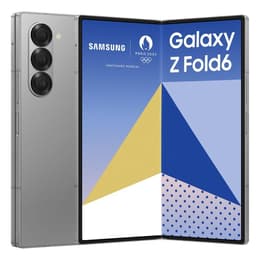
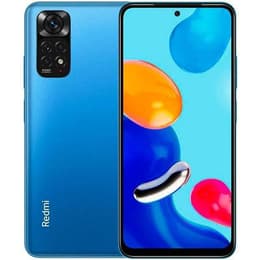
The Samsung Galaxy Z Fold6 and the Xiaomi Redmi Note 11 represent distinct approaches to smartphone design and functionality, catering to different user priorities. Released in July 2024, the Galaxy Z Fold6 is a premium foldable smartphone that transforms from a compact device into a larger tablet-like screen. In contrast, the Xiaomi Redmi Note 11, launched in January 2022, is a traditional slab-style smartphone designed for everyday use. Their primary differentiators lie in their innovative form factor versus a conventional design, and their respective performance tiers.
Colour
Storage
The expected practical lifespan and software support differ significantly between these two devices, largely due to their release timelines and manufacturer policies.
Year of Release
Compatible with latest Update
OS
Foldable
The performance capabilities of the Galaxy Z Fold6 and the Redmi Note 11 cater to different usage demands, reflecting their respective hardware tiers.
The display experience is a primary differentiator between these two smartphones, offering distinct form factors and visual characteristics.
Resolution
Screen type
The camera systems of the Galaxy Z Fold6 and the Redmi Note 11 are designed for different levels of photographic versatility and image quality.
Main camera
Front camera
Beyond core performance and display, several practical elements contribute to the overall user experience of these devices.
Weight
Screen size (in)
Network
SIM card
Carrier compatibility
The Samsung Galaxy Z Fold6 and the Xiaomi Redmi Note 11 cater to distinct user needs and preferences, making the choice between them dependent on individual priorities.
For the Galaxy Z Fold6, common praise points from users often highlight its innovative foldable display, which significantly enhances productivity and media consumption by offering a tablet-like experience in a pocketable form factor. Users appreciate its powerful performance for demanding tasks and the extended software support from Samsung. The ability to multitask effectively on the large inner screen is a frequently lauded feature. However, some users express concerns about the durability of the inner screen and the hinge mechanism, despite improvements. The camera system, while capable, is sometimes noted as not being at the absolute forefront compared to other premium slab phones. The narrowness of the cover screen when folded is also a point of adjustment for some.
The Xiaomi Redmi Note 11 is frequently praised for its reliable battery life, often lasting a full day or more on a single charge. Its AMOLED display with a 90Hz refresh rate is also a positive point for its segment, offering a smooth visual experience. Users generally find its performance adequate for everyday tasks and appreciate the inclusion of features like a 3.5mm headphone jack and expandable storage. Criticisms often revolve around its mid-range processor, which can lead to occasional stutters with demanding applications or when navigating the UI at 90Hz. The camera performance, particularly the ultra-wide lens and low-light capabilities, is sometimes seen as a weaker point, and the lack of 4K video recording is noted.
Users prioritizing cutting-edge technology, a versatile foldable form factor for enhanced productivity and immersive media, and long-term software support may find the Galaxy Z Fold6 well-suited to their needs. Its powerful internals and large internal display are ideal for professionals, power users, and those who frequently multitask. Conversely, users seeking a reliable, straightforward smartphone for essential daily tasks, with excellent battery life and a traditional design, may lean towards the Redmi Note 11. It serves well for students, casual users, or anyone who values a consistent, no-frills experience. Both devices, whether new or as a quality-assured refurbished option, offer distinct advantages depending on how a user intends to integrate their smartphone into their daily life.