

Galaxy S25 Vs iPhone 16 Pro

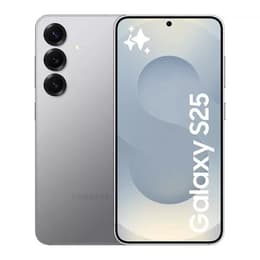
Galaxy S25
Galaxy S25
Starting at

Refurbished price:489.00

Versus €799.00 new

See options
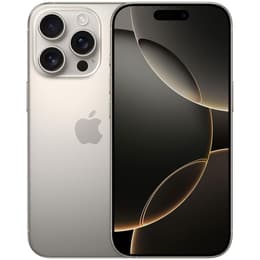
iPhone 16 Pro
iPhone 16 Pro
Starting at

Refurbished price:650.00

Versus €1,239.00 new

See options

Ratings

The Samsung Galaxy S25, released in February 2025, and the iPhone 16 Pro, launched in September 2024, represent the latest iterations of their respective flagship smartphone lines. While both devices offer premium experiences, they cater to different user preferences through their distinct operating systems and hardware philosophies. Key differentiators include their approach to camera systems and the underlying software ecosystems.

Scores

Durability

Evaluating the long-term usability of a smartphone involves considering its physical resilience and the duration of software support it receives.

  • Release Timeline: The iPhone 16 Pro was released in September 2024, making it slightly older than the Galaxy S25, which debuted in February 2025. This difference in launch dates can influence the overall support window.
  • Software Longevity: Samsung has committed to providing seven years of OS and security updates for the Galaxy S25, extending its software viability until approximately 2032. The iPhone 16 Pro, running iOS 18 at launch, typically receives major iOS updates for about five to six years from its release. This means the Galaxy S25 is projected to receive a longer period of official software support.
  • Physical Durability: Both devices feature robust construction designed to withstand daily use. The iPhone 16 Pro incorporates a titanium frame and IP68 dust and water resistance, capable of submersion up to 6 meters for 30 minutes. The Galaxy S25 also boasts IP68 water and dust resistance and utilizes Armor Aluminum and Corning Gorilla Glass Victus 2 for its build.
  • Repairability: Both manufacturers have made strides in improving repairability. The Galaxy S25 received a high repairability score of 9 out of 10 from PBKReviews, with features like pull tabs for battery removal. The iPhone 16 Pro also saw a significant improvement, scoring 7 out of 10 from iFixit, attributed to a dual-entry design for easier access and a hard steel case for its battery.

Year of Release

2025

2024

Compatible with latest Update

Yes

Yes

Foldable

No

No

Performance

Performance in modern smartphones is about more than just raw speed; it encompasses how smoothly the device handles daily tasks, demanding applications, and efficient power management.

  • Processing Power: The Galaxy S25 is equipped with a current-generation processor optimized for its ecosystem, enabling it to handle demanding applications and multitasking with efficiency. The iPhone 16 Pro features Apple's latest Pro-series chip, designed for high performance, particularly in AI-related tasks, and offers improved thermal management for sustained heavy use.
  • Multitasking and Responsiveness: The Galaxy S25 comes with 12GB of RAM, providing ample capacity for running numerous applications simultaneously and switching between them fluidly. The iPhone 16 Pro includes 8GB of RAM, which, combined with iOS's optimized app management, results in a highly responsive user experience, with minimal perceived difference in real-world multitasking for most users.
  • Battery Behavior: The Galaxy S25 houses a 4000 mAh battery, which users report can comfortably last a full day even with heavy usage, outperforming some similarly sized competitors. The iPhone 16 Pro, with a 3582 mAh battery, also offers improved battery life over its predecessor, generally lasting a full day for typical use. Both devices support fast charging, though neither leads the market in charging speeds.
  • Storage Options: The Galaxy S25 is available with 128GB or 256GB of internal storage. The iPhone 16 Pro offers a wider range of storage configurations, starting from 128GB and extending up to 1TB, providing more flexibility for users with extensive storage needs.

Memory (GB)

12 GB

8 GB

Screen quality

The display is a primary interface for smartphone interaction, and both devices offer high-quality visual experiences with distinct characteristics.

  • Display Technology and Clarity: The Galaxy S25 features a 6.2-inch Dynamic AMOLED 2X display, providing vibrant colors and deep blacks with a Full HD+ resolution (2340 x 1080 pixels) and a pixel density of 416 PPI. The iPhone 16 Pro sports a 6.3-inch Super Retina XDR OLED display, offering a resolution of 2622 x 1206 pixels and a higher pixel density of 460 PPI, resulting in slightly sharper visuals.
  • Refresh Rate and Smoothness: Both smartphones incorporate adaptive refresh rate technology, with displays capable of reaching up to 120Hz. This ensures smooth scrolling, fluid animations, and a responsive touch experience, dynamically adjusting to content to conserve power.
  • Brightness Levels: Both displays are designed to offer excellent visibility in various lighting conditions, including bright outdoor environments. The OLED technology in both devices contributes to high peak brightness, making content legible even under direct sunlight.
  • Viewing Experience: The iPhone 16 Pro features thinner display borders, contributing to a more expansive viewing area relative to its physical size. While the Galaxy S25 is slightly more compact, both provide immersive viewing experiences for media consumption and daily tasks.

Resolution

1080x2340

1206 x 2622

Audiovisual

The camera systems on both the Galaxy S25 and iPhone 16 Pro are designed to capture high-quality images and videos, though they approach imaging with different strengths.

  • Rear Camera Systems: The Galaxy S25 features a triple-camera setup, including a 50MP wide-angle lens, a 10MP telephoto lens with 3x optical zoom, and a 12MP ultrawide lens. The iPhone 16 Pro also has a triple-camera system, comprising a 48MP wide-angle lens, a 12MP telephoto lens with 5x optical zoom, and a 48MP ultrawide lens, alongside a TOF 3D LiDAR scanner. The iPhone 16 Pro's 5x optical zoom offers greater reach for distant subjects.
  • Photography Performance: The Galaxy S25 delivers dependable camera quality, with surprisingly good low-light performance and quick, accurate focus lock. It also includes a Next Gen ProVisual Engine for enhanced image processing. The iPhone 16 Pro's upgraded camera system, including a new 48MP ultrawide with autofocus, is noted for clearer images and advanced photographic styles, with strong video performance. Some users observe that iPhones tend to produce more vivid colors and better dynamic range in photos compared to the Galaxy S25.
  • Video Recording Capabilities: Both devices offer advanced video recording. The Galaxy S25 can capture 10-bit HDR videos from all its cameras and includes Galaxy LOG and LUTs functionality in its Pro shooting mode. The iPhone 16 Pro supports 4K120 fps video recording in Dolby Vision, a notable feature for high-quality video capture.
  • Front Cameras and Audio: Both phones feature 12MP front cameras for high-quality selfies and video calls. For audio, the iPhone 16 Pro is praised for its exceptional audio recording quality and speaker output.

Miscellaneous

Beyond core performance and display, several practical features contribute to the overall user experience and daily utility of these smartphones.

  • Connectivity Standards: The Galaxy S25 supports Bluetooth 5.4, offering efficient and stable wireless connections for accessories. The iPhone 16 Pro steps up with Wi-Fi 7 and Bluetooth 5.3, providing faster wireless internet speeds and reliable peripheral connectivity. Both devices support 5G cellular networks.
  • Physical Design and Handling: The Galaxy S25 is a more compact and lighter device, measuring 146.9mm x 70.5mm x 7.2mm and weighing 162g, making it comfortable for one-handed use. The iPhone 16 Pro is slightly larger and heavier at 149.6 × 71.5 × 8.25 mm and 199g, but its titanium frame contributes to a premium feel and durability.
  • Ports and Biometrics: The iPhone 16 Pro features a USB-C port, supporting data transfer speeds of up to 10Gbps. Both devices offer secure biometric authentication, with the iPhone 16 Pro utilizing Face ID and the Galaxy S25 typically featuring an under-display fingerprint sensor.
  • Additional Features: The iPhone 16 Pro includes a customizable Action button and a new touch-sensitive Camera Control button for quick access to camera functions. The Galaxy S25 integrates Samsung's suite of AI features, known as Galaxy AI, which aims to streamline daily tasks.

Weight

162 g

199 g

Screen size (in)

6.2

6.3

Network

5G

5G

SIM card

Physical SIM + eSIM

eSIM

Carrier compatibility

Unlocked

Unlocked

Connector

USB-C

USB-C (USB 3)

Both the Samsung Galaxy S25 and the iPhone 16 Pro offer compelling smartphone experiences, each with its own set of strengths that appeal to different user priorities. User feedback for the Galaxy S25 often highlights its comfortable, lightweight design and responsive display. Its strong battery life for a device of its size and robust performance for gaming and daily tasks are frequently praised. However, some users have noted that the camera's color vividness and dynamic range might not always match the iPhone, and there have been criticisms regarding the perceived lack of significant generational upgrades in hardware.

The iPhone 16 Pro is generally lauded for its refined user experience, powerful processing capabilities, and significantly improved camera system, particularly for video recording. Its durable titanium build and enhanced repairability have also been well-received. Common observations include the seamless integration within the Apple ecosystem and the overall reliability of iOS. Some users have expressed minor grievances about certain social media apps not fully utilizing the 120Hz refresh rate.

For users who prioritize a longer software support window, a more compact and lighter design, and a highly customizable Android experience, the Samsung Galaxy S25 presents a strong option. Its ample RAM and dependable battery life make it suitable for heavy multitasking and extended use. Conversely, individuals who value a slightly sharper display, a more advanced video recording suite, and the tightly integrated iOS ecosystem may find the iPhone 16 Pro to be a better fit. Its improved repairability also offers peace of mind for long-term ownership. Both devices represent excellent choices, and considering a quality-assured refurbished option for either model can be a sustainable choice for consumers.


See all articles

Our recent comparisons